Condition guide
Blocked Ears
Ears feeling blocked or muffled hearing? Find relief from blocked ears and restore normal hearing.
Find the right medicineTreatment and relief options
- Yawning, chewing, or swallowing to equalise pressure
- Wax-softening drops only when wax is the likely cause; ask a pharmacist first, and not if fluid is leaking, or with grommets or a possible burst eardrum
- Decongestants if due to cold/allergies
- Avoid inserting objects into ear
- See pharmacist or doctor for wax removal if needed
When to get help
- Sudden hearing loss
- Severe pain with blocked ear
- Discharge from ear
- Dizziness or balance problems
- Blocked ear after head injury
Good to know
Wax, pressure or infection?
A blocked ear is mostly about fullness and muffled hearing rather than pain. Wax build-up can also bring ringing in the ear. Blockage during a cold, hay fever or a flight often involves the Eustachian tube, which links the middle ear to the back of the nose and opens when you swallow to balance pressure; extra mucus can block it. Fullness with itch and pain after swimming suggests swimmer's ear, so see ear pain. For sudden hearing loss, go to your nearest emergency department.
Softening wax safely
Ear wax protects the ear canal and slowly moves outwards by itself. Cotton buds and fingertips push it further in, so clean only the outer ear. Wax-softening drops from a pharmacy can help a plug fall out on its own over a few days to a few weeks. If that doesn't work, a GP or other health professional can remove it. There is no proof ear candles work. Check with a doctor before using any drops if you have grommets, might have a burst eardrum, or have fluid leaking from the ear, because some prescription ear drops can harm hearing if they pass through a hole in the eardrum or a grommet.
Sources: Better Health Channel — Ear wax; Better Health Channel — Ear infections; Better Health Channel — Deafness: a range of causes; healthdirect — Ears; healthdirect — Earache; healthdirect — Otitis media (middle ear infection); Australian Prescriber — Ear drops and ototoxicity
Frequently asked questions
Earwax, pressure changes (flying), cold/allergies, or ear infection.
Related conditions
Best of & comparisons

Advice & guides
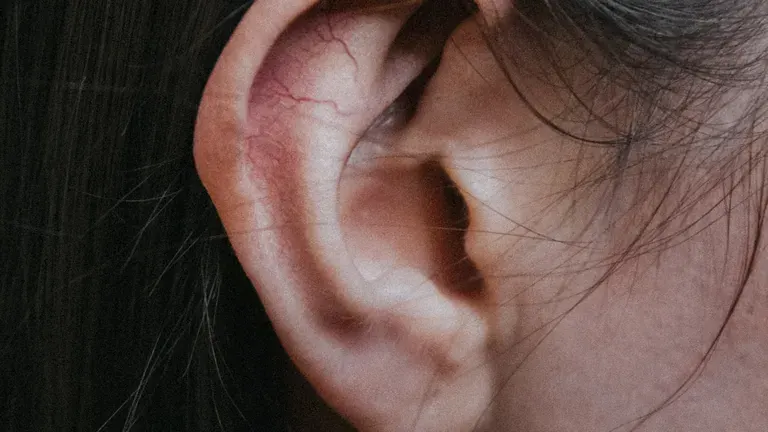
Eye, ear & nose11 min read
Ear Wax Removal at Home in Australia: Safe Methods, Drops & When to See a Professional
A safe, evidence-based guide to ear wax removal in Australia — which OTC drops may help, the home methods that work, what to skip, and when to see a GP or audiologist.

Eye, ear & nose7 min read
Swimmer's Ear Treatment in Australia: What Works
Relieve swimmer's ear at home with drying drops, dry ears and simple pain relief for mild cases — plus the red flags that need a GP and prescription drops.

Eye, ear & nose7 min read
Ear Infection Treatment in Australia: What Works
Ease ear infection pain the right way: learn to tell a middle-ear from an outer-ear infection, when it settles on its own, and when to see a GP.
Medical disclaimer
This information is general in nature and isn’t a substitute for professional medical advice. Always read the label and follow the directions for use. Talk to your pharmacist or doctor about what’s right for you.