Category
Vitamins & supplements
Multivitamins, vitamin D, iron, magnesium, fish oil, joint supplements and sports nutrition products compared.
5 sections12 articles
Browse Vitamins & supplements
Essential vitamins
Multivitamins · Vitamin D · Vitamin C · Vitamin B complex
3 articles
Minerals
Iron supplements · Magnesium · Zinc · Calcium & vitamin D
3 articles
Fish oil & fatty acids
Fish oil & omega-3 · Krill oil · Evening primrose oil
1 articles
Joint & bone
Glucosamine & chondroitin · Turmeric & curcumin · Collagen supplements · CoQ10
2 articles
Sports nutrition
Protein powders · Electrolyte drinks · Creatine · Pre-workout supplements
3 articles
Best of & comparisons in Vitamins & supplements
Vitamins & supplements8 min read
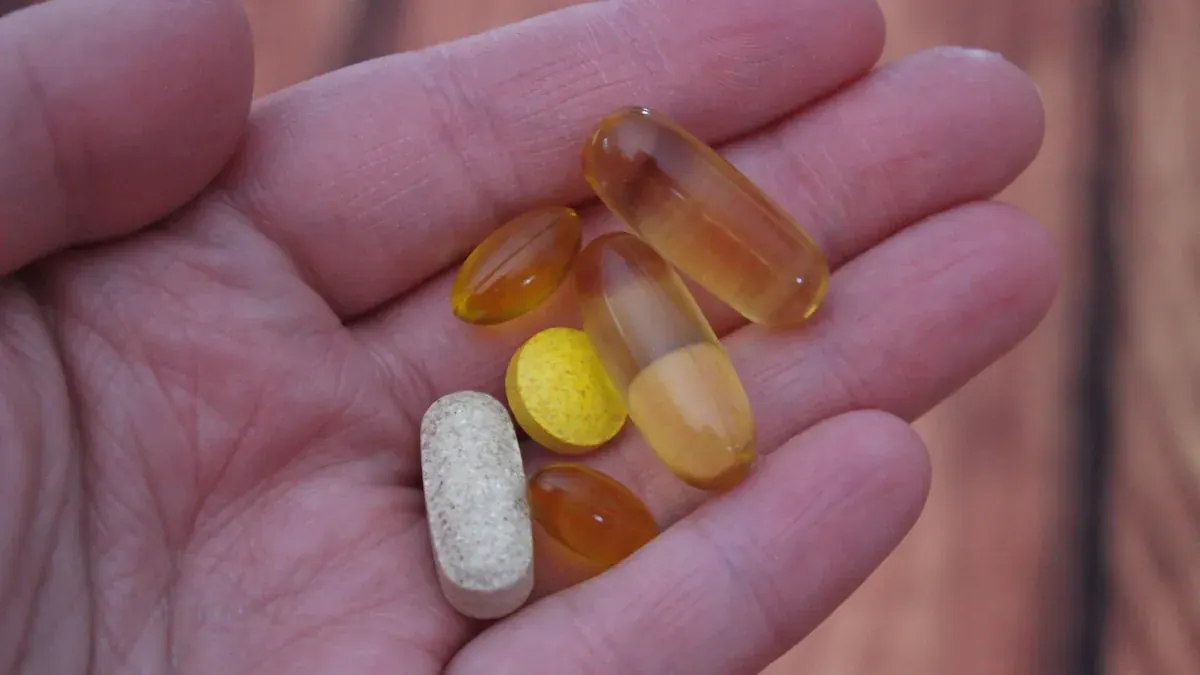
Best Multivitamin Australia: Do You Really Need One?
Cut through the marketing on the best multivitamin in Australia: learn who genuinely benefits, how to read a label, and when a balanced diet is enough.

Vitamins & supplements10 min read
Magnesium Glycinate vs Citrate: Which Should You Take?
Glycinate for sleep or citrate for regularity? Compare absorption, elemental magnesium, the laxative effect, price and who each form suits best in Australia.
Advice & guides in Vitamins & supplements

Vitamins & supplements12 min read
Vitamin D Deficiency Australia: Symptoms, Testing & Supplements (2026)
Nearly 1 in 4 Australians has low vitamin D. Learn the symptoms, what your nmol/L result means, how much sun you need, and which supplements may help.

Vitamins & supplements7 min read
Vitamin B12 Benefits & Supplements (Australia)
Discover what vitamin B12 does, who is at risk of deficiency, and how tablets, sublinguals and injections compare — plus why testing comes first.

Vitamins & supplements11 min read
Magnesium Benefits and Types: Which Form Is Right for You? (Australia 2026)
An Australian guide to magnesium forms, benefits and cautions, including why sleep evidence does not establish a best form.

Vitamins & supplements11 min read
Iron Supplements in Australia: Get Tested First, Then Supplement Smart (2026)
Tired, pale or breathless? Learn the signs of low iron, why a blood test must come first, and how to compare and take Australian iron supplements correctly.

Vitamins & supplements11 min read
Fish Oil & Omega-3 Benefits: An Honest Australian Guide (2026)
Fish oil is Australia's top-selling supplement, but what does the evidence actually show? An honest guide to EPA, DHA, doses, forms and who really needs it.

Vitamins & supplements11 min read
Glucosamine & Joint Supplements: Do They Work?
We weigh the evidence for glucosamine, chondroitin, turmeric, collagen, CoQ10 and calcium + vitamin D — and explain who might reasonably trial them.
Vitamins & supplements7 min read
Collagen Supplements: Do They Actually Work?
Cut through the collagen hype: what the trials really show for skin, joints and nails, plus marine vs bovine, dose, and who should check first.

Vitamins & supplements7 min read
Sports Supplements Guide: Protein, Creatine & More
Your quick-start overview of sports supplements in Australia — what the evidence supports for protein, creatine, electrolytes and pre-workout, with links to our full protein and creatine guides.
Vitamins & supplements9 min read
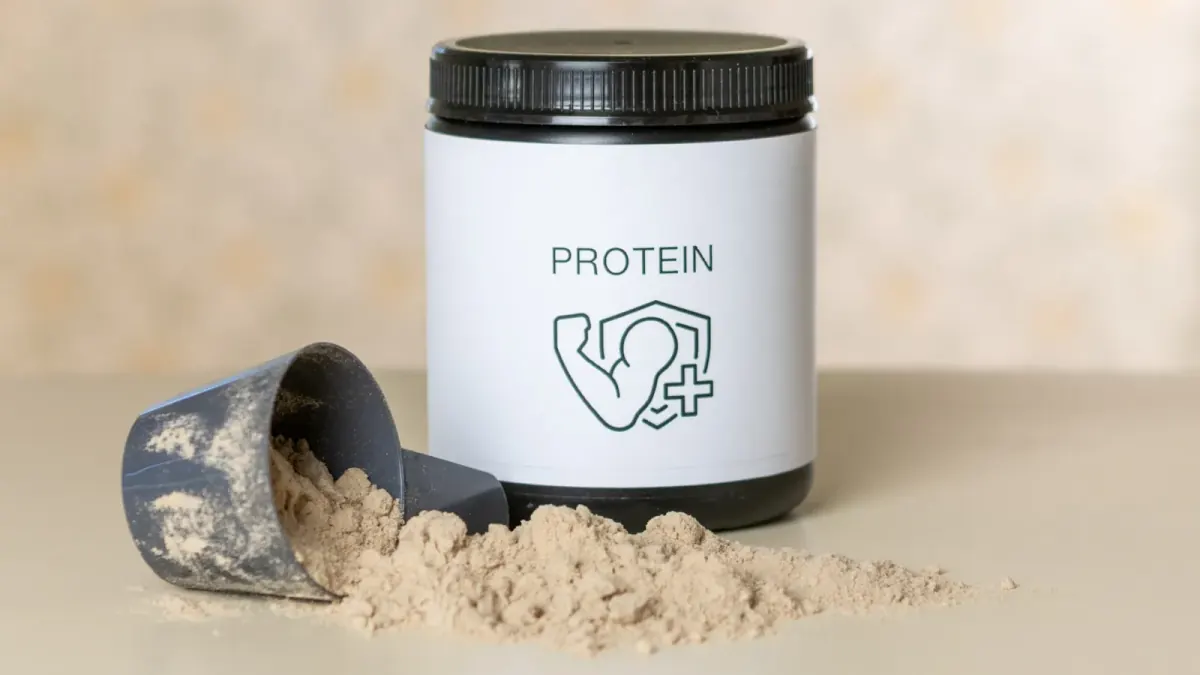
Best Protein Powder in Australia: Whey vs Plant Guide
Whey concentrate, isolate, casein or plant protein — what the evidence says about daily protein targets, how to read a label, and who should choose which type.

Vitamins & supplements8 min read
Creatine Guide (Australia): Dosing, Benefits & Safety
How creatine works, why monohydrate beats the fancier forms, how much to take and when, and what the evidence really says about safety and the kidney myth.
Medical disclaimer
This information is general in nature and isn’t a substitute for professional medical advice. Always read the label and follow the directions for use. Talk to your pharmacist or doctor about what’s right for you.