Guide
Sports Supplements Guide: Protein, Creatine & More
Your quick-start overview of sports supplements in Australia — what the evidence supports for protein, creatine, electrolytes and pre-workout, with links to our full protein and creatine guides.
Key takeaways
- Most recreational athletes meet their nutritional needs through diet, and supplements are optional extras rather than essentials. Creatine monohydrate has the strongest evidence for strength and power, and protein powder is a convenient way to hit your daily protein target — see our dedicated guides to protein powder and creatine for the full detail. Electrolytes matter mainly for heavy, prolonged sweating, and pre-workouts are worth treating with the same caution as a strong coffee. Choose batch-tested products if you compete in a tested sport.
Straight to it Think of this as the shortlist before the detail below. For most Australian gym-goers, a balanced diet with enough protein and carbohydrate does the heavy lifting, and no supplement changes that. Creatine monohydrate is the standout: it has by far the strongest evidence for improving strength and power, and it is cheap and well tolerated. Protein powder is a practical way to top up your daily protein if food alone falls short. Electrolyte drinks matter during heavy, prolonged sweating or hot-weather sessions, though plain water covers a typical hour at the gym. Pre-workouts mostly work through caffeine, so treat them like a strong coffee and watch your total daily intake. Compete in a drug-tested sport? Use only products carrying independent batch-testing certification. And whatever you pick, read the label and speak to your pharmacist or GP if you have a health condition or take other medicines.
Do You Actually Need Sports Supplements?
The supplement aisle can make it feel like gym progress is bought in tubs and shakers, but that is largely marketing. For recreational athletes, the fundamentals account for the overwhelming majority of results: consistent training, adequate protein, enough total energy and decent sleep. Supplements sit at the margins. Sports Dietitians Australia and the Australian Institute of Sport both take a food-first position: meet your needs through whole foods where you can, and reach for supplements only to fill a genuine gap or for practical convenience. A supplement cannot compensate for an inconsistent diet or training program.
Supplements are optional extras Nothing in this guide is essential. Each product below can be a useful tool in the right situation, but you can build strength, fitness and muscle without spending a cent on supplements. Think of them as conveniences and marginal gains, not the main event.
Protein Powder: Whey vs Plant Protein
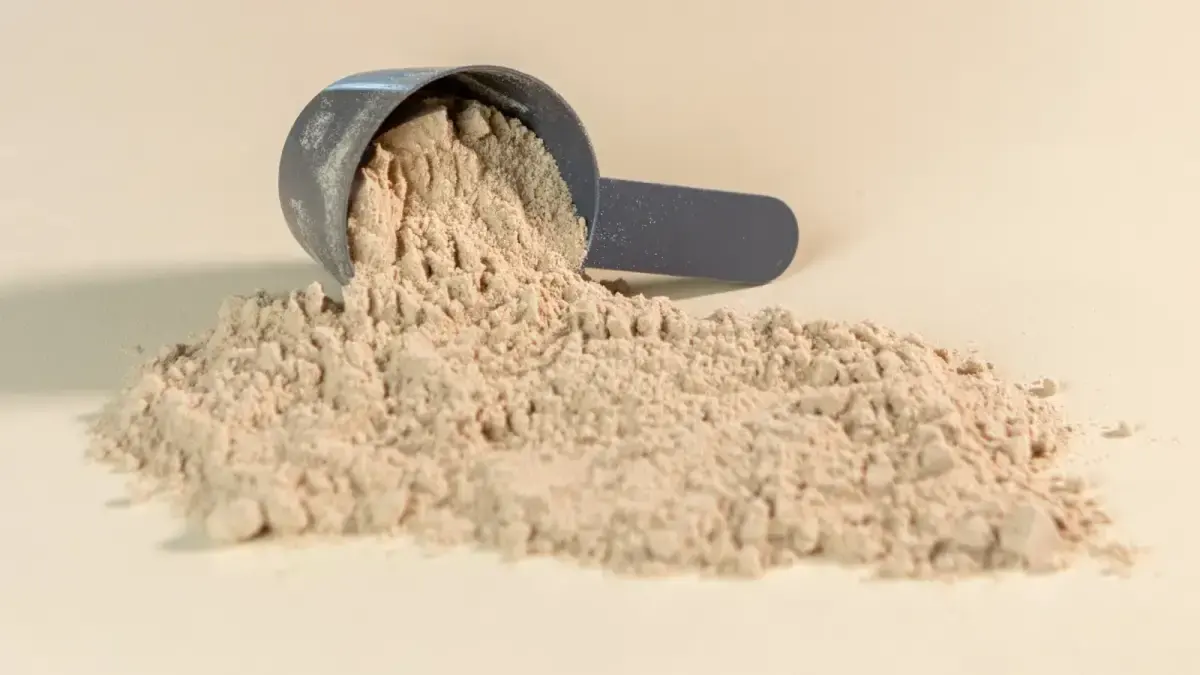
Protein powder is simply a convenient, concentrated source of dietary protein. It contains nothing you cannot get from food. It is just faster to drink a shake than to cook an equivalent amount of chicken, eggs or lentils. Its main value is helping you hit your daily protein target when whole food is impractical, such as straight after training or on a busy day.
Most people need less than the supplement industry implies. General health guidelines suggest around 0.8 grams of protein per kilogram of body weight per day, while people doing regular resistance or endurance training may benefit from roughly 1.2 to 2.0 grams per kilogram. Many Australians already meet the lower end of that range through diet alone, which is why a powder is a top-up, not a foundation.
Whey protein is fast-digesting, nutritionally complete and typically the most economical option, making it a solid all-rounder for post-training recovery — choose isolate if you are mildly lactose sensitive. Plant-based powders such as pea, soy, rice or a blend are the better fit if you are vegan, dairy-intolerant or simply prefer them, and a well-formulated blend or soy protein still delivers a complete amino acid profile. Whichever you choose, hitting your total daily protein target matters far more than the source.
For a full breakdown of whey vs plant protein, serving sizes and our top picks, see Best Protein Powder in Australia.
Creatine: The Most Evidence-Backed Supplement
If you only consider one supplement, creatine monohydrate is the one with the deepest research base — hundreds of trials and position statements, including from the International Society of Sports Nutrition, support it as effective and safe for healthy adults, improving strength, power and training volume. The standard, well-researched dose is 3 to 5 grams a day taken consistently (loading is not necessary), it is one of the cheapest supplements per serve, and plain monohydrate outperforms the fancier, pricier forms. It is well tolerated overall — the main side effect is minor water retention — though anyone with kidney disease or another chronic condition should check with their GP or pharmacist first.
For full detail on loading, timing, hydration and safety, see our complete creatine guide.
Electrolytes and Hydration: When Water Isn't Enough
Electrolytes (sodium, potassium, chloride and others) are minerals lost in sweat that help regulate fluid balance and muscle function. Electrolyte drinks are heavily marketed, but for a typical gym session of an hour or so, plain water is perfectly adequate and cheaper. The situation changes when sweat losses are high and prolonged.
Electrolyte replacement becomes genuinely useful during long training sessions (roughly beyond 60 to 90 minutes), in hot and humid conditions, or if you are a heavy or salty sweater. Australia's climate makes this relevant for outdoor summer training and endurance events, where replacing sodium alongside fluid helps you rehydrate more effectively than water alone.
Oral rehydration solutions vs sports drinks Oral rehydration solutions such as Hydralyte are formulated to a balanced glucose-to-sodium ratio designed for effective rehydration, and they carry far less sugar than typical soft drinks. They are the go-to when you have lost a lot of fluid through heavy sweating, heat, or an episode of vomiting or diarrhoea. Sugary sports and soft drinks can replace some fluid but are not an efficient way to replace electrolytes.
Hydralyte Electrolyte Solution
Oral rehydration solution for rapid rehydration during diarrhoea, vomiting, fever, and heavy sweating. TGA listed.
Where to buy · Hydralyte Electrolyte Solution
Amazon AustraliaView
We may earn a commission from these links. It never affects our rankings.
Pre-Workout Supplements: Mostly Caffeine
Pre-workout powders promise energy and focus, but their main active ingredient is usually caffeine — often a substantial dose. Caffeine is one of the few ergogenic aids with solid evidence for improving perceived effort, endurance and alertness. In other words, a lot of what a pre-workout delivers, a strong coffee can deliver too, at a fraction of the price and with a known caffeine content.
The other common ingredient is beta-alanine, which may support performance in sustained high-intensity efforts. Beta-alanine is also responsible for the harmless tingling or prickling skin sensation (paraesthesia) many people feel after taking a pre-workout — it is not an allergic reaction, though it can be uncomfortable.
Go easy on the caffeine Pre-workout products vary enormously in caffeine content, and doses can be high. Too much caffeine can cause a racing heart, jitteriness, anxiety, digestive upset and disrupted sleep — especially if you train in the evening, as caffeine can linger for many hours. Always check the label for the caffeine dose per serve, count it toward your total daily intake from all sources, avoid stacking it with other caffeinated products, and never use it as a fix for poor sleep. If you have a heart condition, high blood pressure, or are pregnant or breastfeeding, speak to your pharmacist or GP first.
Sports Supplements: Evidence at a Glance
This table summarises what the current evidence supports for each popular supplement, along with the main practical cautions to keep in mind.
| Supplement | Main benefit | Evidence level | Notes / caution |
|---|---|---|---|
| Creatine monohydrate | Strength, power, training volume | Strong | Cheap and well tolerated; minor water retention; use plain monohydrate |
| Protein powder (whey or plant) | Convenient way to meet daily protein target | Moderate | A top-up, not essential; whole food works just as well |
| Caffeine / pre-workout | Alertness, perceived effort, endurance | Moderate-Strong (caffeine) | Watch total caffeine; can disrupt sleep and cause jitters |
| Beta-alanine | Sustained high-intensity performance | Moderate | Causes harmless skin tingling; effect is modest |
| Electrolyte drinks / ORS | Rehydration during heavy, prolonged sweating | Situational | Water is enough for typical sessions; matters in heat and long efforts |
Supplement Quality and Contamination
Supplements are regulated less tightly than registered medicines, and quality varies between brands. Independent testing has repeatedly found products that do not match their label — either under-dosing the listed ingredients or, more seriously, containing undeclared substances. For recreational gym-goers this is mainly a value-for-money issue, but for anyone in a tested sport it can end a career.
The safeguard is third-party batch testing, where an independent laboratory screens individual production batches for banned or contaminant substances. In Australia, HASTA is a locally run batch-testing certification, and Informed Sport is a widely recognised international one. A product carrying one of these marks has been independently screened, giving you far more confidence in what is actually in the tub.
Competitive or drug-tested athletes: use batch-tested products only If you compete in any sport with anti-doping testing, contamination is a real risk and 'I didn't know' is not a defence under anti-doping rules — athletes are held responsible for whatever is in their system. Only use supplements that carry independent batch-testing certification such as HASTA or Informed Sport, keep a record of the batch numbers you use, and check any product against Sport Integrity Australia guidance before taking it.
How to Choose Sports Supplements in Australia
- Start with food: Sort your overall diet, protein intake and training first. Only add a supplement to fill a specific, identified gap.
- Prioritise the evidence-backed options: Creatine monohydrate and, where useful, protein powder and caffeine have the best support. Be sceptical of proprietary blends promising dramatic results.
- Read the label properly: Check the actual dose of active ingredients per serve, including caffeine, rather than trusting front-of-pack marketing.
- Look for batch testing: Choose products carrying independent batch-testing certification, especially if you are tested, and ideally even if you are not.
- Keep it simple: Plain, single-ingredient products (creatine monohydrate, a straightforward protein) are usually better value than complex stacks.
- Check for interactions: If you take regular medicines or have a health condition, run any new supplement past your pharmacist or GP.
Frequently Asked Questions
When should I use electrolytes instead of water?
For a typical hour at the gym, plain water is all you need. Reach for electrolytes when sweat losses run high and long — sessions beyond roughly 60 to 90 minutes, hot or humid conditions, or if you are a heavy or salty sweater. They also help you recover after vomiting or diarrhoea, where an oral rehydration solution such as Hydralyte replaces sodium alongside fluid more effectively than water alone.
Are pre-workout supplements safe?
For most healthy adults a sensible dose is fine; the one thing to manage is caffeine. Products vary widely and some are very high in it, which can bring on a racing heart, jitteriness, anxiety, stomach upset and — particularly with evening training — disrupted sleep. Check the dose per serve, count it toward your daily total, and avoid stacking it with coffee or energy drinks. The tingling from beta-alanine is harmless. If you have a heart condition, high blood pressure, or are pregnant or breastfeeding, speak to your pharmacist or GP first.
What does batch-tested mean and why does it matter?
Batch testing is independent laboratory screening of individual production runs for banned substances and contaminants. Because supplements are regulated less tightly than medicines, some products contain ingredients not listed on the label. A certification such as HASTA in Australia or the international Informed Sport program tells you an independent lab has checked that specific batch. It matters most for athletes in drug-tested sports, who are held responsible for anything in their system, but it is a reasonable quality signal for anyone.
Can I take creatine and protein together?
Yes. Creatine and protein work in different ways and there is no problem taking them together — many people simply add their daily creatine to a protein shake for convenience. Timing is not critical for either: consistency of your daily creatine dose and meeting your overall daily protein target matter far more than the exact moment you take them. Combining them is about convenience, not a special synergistic effect.
Disclaimer This article is for informational purposes only and does not constitute medical advice. Always read the label and follow the directions for use. If symptoms persist, talk to your health professional. See your pharmacist or GP for advice tailored to your situation.
The verdict
Sort your diet and training first. That is where the results come from. Creatine monohydrate and protein powder are the two most evidence-backed supplements here, and each now has its own in-depth guide covering dosing, timing and product picks — start there if you want the detail. For everything else on this page: electrolyte drinks earn their place in heavy heat and long sessions rather than at every gym visit, pre-workout caffeine is worth keeping in check, and batch-tested products (HASTA or Informed Sport) are the safer choice if you compete in a tested sport. Check with your pharmacist or GP if you have a health condition or take other medicines.
Related health topics
Medical disclaimer
This information is general in nature and isn’t a substitute for professional medical advice. Always read the label and follow the directions for use. Talk to your pharmacist or doctor about what’s right for you.
More Vitamins & supplements guides
Vitamins & supplements9 min read
Best Protein Powder in Australia: Whey vs Plant Guide
Whey concentrate, isolate, casein or plant protein — what the evidence says about daily protein targets, how to read a label, and who should choose which type.

Vitamins & supplements8 min read
Creatine Guide (Australia): Dosing, Benefits & Safety
How creatine works, why monohydrate beats the fancier forms, how much to take and when, and what the evidence really says about safety and the kidney myth.
Sleep, stress & quitting9 min read
Supplements for Energy & Tiredness (Australia)
Most "energy" supplements only work if you're actually deficient. We explain what iron, B vitamins, vitamin D and caffeine tablets can and can't do.