Condition guide
Fatigue
Constantly tired and lacking energy? Understand causes of fatigue and find ways to boost your energy levels.
Find the right medicineTreatment and relief options
- Ensure adequate sleep (7-9 hours for adults)
- Regular exercise to boost energy
- Balanced diet with iron-rich foods
- Stay hydrated throughout the day
- Manage stress and practise relaxation
When to get help
- Extreme fatigue with shortness of breath
- Fatigue with unexplained weight loss
- Persistent fatigue for months
- Fatigue with fever or night sweats
- Fatigue affecting daily functioning
Good to know
What to note before you see your GP
A few notes written beforehand make the appointment more useful. Your doctor will want to know what the tiredness feels like and whether rest helps, how long it has lasted and how quickly it came on, your sleep, any other symptoms, your diet, exercise, alcohol or other substance use, and every medicine you take. Also note any heavy periods or other bleeding, whether your mood has been low or flat, and whether anyone has heard you snore loudly or stop breathing in your sleep (see mild insomnia). If you share a bedroom, bring that person along.
Common causes your GP can check
Iron deficiency, an underactive thyroid, obstructive sleep apnoea and depression are all recognised causes. Iron and thyroid levels are checked with blood tests, and sleep apnoea with a sleep study. Supplements are not a shortcut: most people do not need them, and you should see your doctor before taking iron, because too much can cause iron poisoning. See your GP if fatigue lasts more than 2 weeks without improving, or sooner if it worries you, stops you doing things or comes with weight loss. If you are having thoughts of suicide, call Lifeline on 13 11 14, or 000 if you are in immediate danger.
Sources: healthdirect — Fatigue; healthdirect — Iron deficiency; healthdirect — Obstructive sleep apnoea; healthdirect — Hypothyroidism; healthdirect — Depression; healthdirect — Dietary supplements
Frequently asked questions
Poor sleep, stress, anaemia, thyroid problems, depression, or chronic conditions. Persistent fatigue needs evaluation.
Related conditions
Best of & comparisons
Cough, cold & flu13 min read
Cold vs Flu in Australia: Symptoms & Treatment (2026)
Flu hits hard and fast; a cold creeps in slowly. Learn the key symptom differences, how long each lasts, and the best OTC options in Australian pharmacies.

Cough, cold & flu13 min read
Best Vitamin C for Colds Australia: What the Evidence Says (2026)
Vitamin C won't prevent colds, but daily supplements may slightly shorten how long they last. We explain the evidence and compare the best vitamin C options in Australia.
Vitamins & supplements10 min read
Magnesium Glycinate vs Citrate: Which Should You Take?
Glycinate for sleep or citrate for regularity? Compare absorption, elemental magnesium, the laxative effect, price and who each form suits best in Australia.
Vitamins & supplements8 min read
Best Multivitamin Australia: Do You Really Need One?
Cut through the marketing on the best multivitamin in Australia: learn who genuinely benefits, how to read a label, and when a balanced diet is enough.
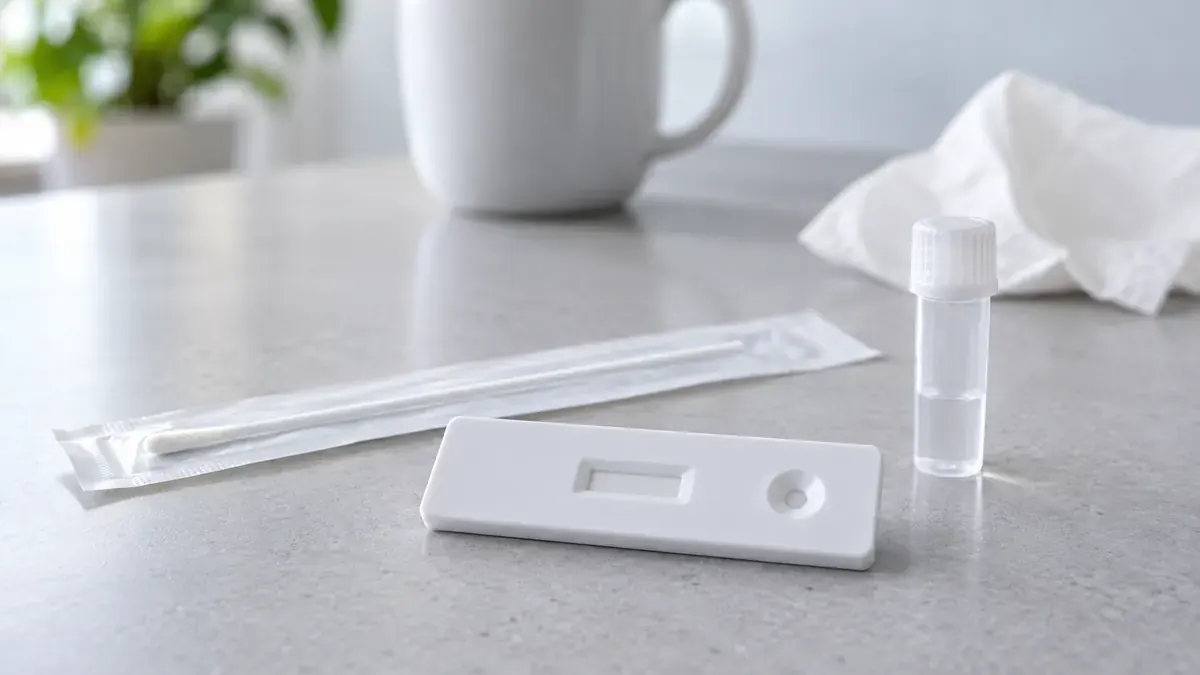
Cough, cold & flu8 min read
COVID vs Flu vs Cold: How to Tell the Difference and What You Can Take
Tell COVID, the flu and a cold apart fast: what the symptoms share, when to RAT test, and which OTC medicines ease which symptoms in Australia.
Advice & guides

Sleep, stress & quitting5 min read
Sleeping Tablets in Australia: Options and Limits
Understand pharmacy sleep aids, their limits and when persistent sleep problems need assessment rather than another supplement.

Vitamins & supplements12 min read
Vitamin D Deficiency Australia: Symptoms, Testing & Supplements (2026)
Nearly 1 in 4 Australians has low vitamin D. Learn the symptoms, what your nmol/L result means, how much sun you need, and which supplements may help.

Sleep, stress & quitting5 min read
Melatonin in Australia: Insomnia, Jet Lag and Pharmacy Access
Compare Australian melatonin access for insomnia and jet lag, with pharmacist eligibility, imported-product risks and safety cautions.

Vitamins & supplements11 min read
Magnesium Benefits and Types: Which Form Is Right for You? (Australia 2026)
An Australian guide to magnesium forms, benefits and cautions, including why sleep evidence does not establish a best form.

Sleep, stress & quitting10 min read
Ashwagandha Benefits in Australia: What the Evidence Actually Says (2026)
An evidence-led look at ashwagandha benefits in Australia — what research suggests it may help with, KSM-66 vs Sensoril, typical doses, and the safety cautions.

Vitamins & supplements11 min read
Iron Supplements in Australia: Get Tested First, Then Supplement Smart (2026)
Tired, pale or breathless? Learn the signs of low iron, why a blood test must come first, and how to compare and take Australian iron supplements correctly.

Vitamins & supplements11 min read
Fish Oil & Omega-3 Benefits: An Honest Australian Guide (2026)
Fish oil is Australia's top-selling supplement, but what does the evidence actually show? An honest guide to EPA, DHA, doses, forms and who really needs it.

Vitamins & supplements7 min read
Sports Supplements Guide: Protein, Creatine & More
Your quick-start overview of sports supplements in Australia — what the evidence supports for protein, creatine, electrolytes and pre-workout, with links to our full protein and creatine guides.
Vitamins & supplements9 min read
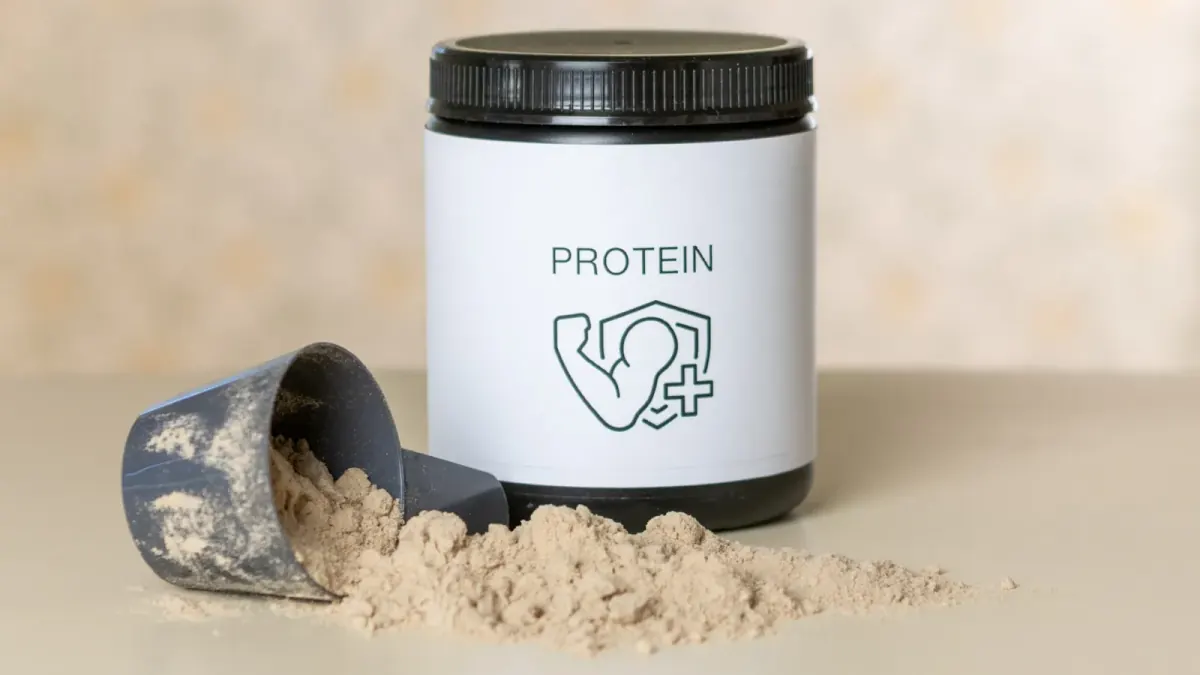
Best Protein Powder in Australia: Whey vs Plant Guide
Whey concentrate, isolate, casein or plant protein — what the evidence says about daily protein targets, how to read a label, and who should choose which type.

Vitamins & supplements8 min read
Creatine Guide (Australia): Dosing, Benefits & Safety
How creatine works, why monohydrate beats the fancier forms, how much to take and when, and what the evidence really says about safety and the kidney myth.
Family health8 min read
Men's Health: OTC & Supplement Guide (Australia)
A practical pharmacy guide for Australian men — hair loss, prostate and urinary symptoms, multivitamins and sports injury recovery, and when to see a GP.

Sleep, stress & quitting9 min read
Nicotine Replacement Therapy (NRT): Australian Guide
How NRT helps you quit smoking: patches, gum, lozenges and mouth spray compared, plus patch strengths, combination therapy and where to get support.
Sleep, stress & quitting9 min read
Supplements for Energy & Tiredness (Australia)
Most "energy" supplements only work if you're actually deficient. We explain what iron, B vitamins, vitamin D and caffeine tablets can and can't do.

Sleep, stress & quitting5 min read
Magnesium for Sleep in Australia: Evidence, Forms and Cautions
Can magnesium help sleep? Understand the newer trial, why no form is a proven winner, how to read labels and when to seek advice.

Family health8 min read
Menopause Supplements: What the Evidence Says
Compare menopause supplements sold in Australia — black cohosh, red clover, evening primrose — with an honest look at what the evidence shows.
Vitamins & supplements7 min read
Vitamin B12 Benefits & Supplements (Australia)
Discover what vitamin B12 does, who is at risk of deficiency, and how tablets, sublinguals and injections compare — plus why testing comes first.

Cough, cold & flu7 min read
When to Get Your Flu Shot in Australia (2026)
Time your flu shot right — mid-season in July still works, and here's exactly who qualifies for a free flu vaccine in Australia in 2026.
Medical disclaimer
This information is general in nature and isn’t a substitute for professional medical advice. Always read the label and follow the directions for use. Talk to your pharmacist or doctor about what’s right for you.