Comparison
Cold vs Flu in Australia: Symptoms & Treatment (2026)
Flu hits hard and fast; a cold creeps in slowly. Learn the key symptom differences, how long each lasts, and the best OTC options in Australian pharmacies.
WhichMedicine Editorial Team
Reviewed for an Australian audience
Key takeaways
- Colds come on gradually with mainly upper respiratory symptoms. The flu hits suddenly with high fever, severe body aches, and exhaustion. Most people can manage both at home with rest, fluids, and OTC symptom relief — but the flu carries a higher risk of serious complications.
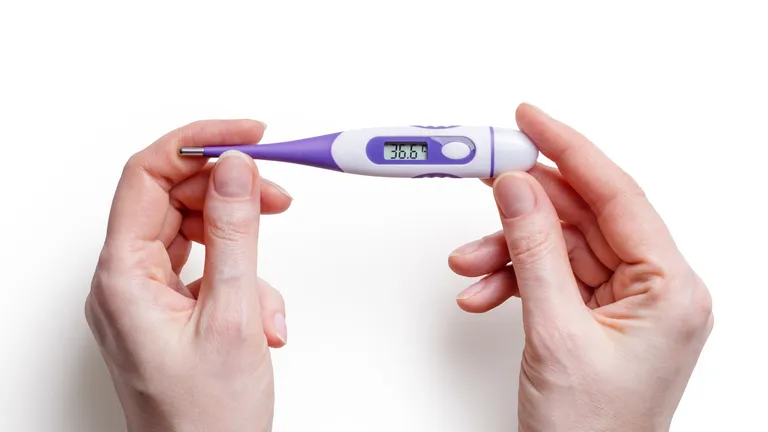
A cold comes on gradually over one to two days and mainly affects the nose and throat — you rarely get a significant fever. The flu hits suddenly, often within hours, and typically causes a high fever (38-40 degrees C), severe body aches, and exhaustion. If you feel like you have been knocked flat, it is more likely the flu. In Australia, flu season runs from roughly May to September and peaks in August.
What Are Colds and Flu?
Both the common cold and influenza are respiratory infections caused by viruses — but different virus families. The common cold is most often caused by rhinoviruses, while the flu is caused by influenza A or B viruses. Because both are viral, antibiotics will not help with either condition.
Cold vs Flu Symptom Comparison
| Symptom | Common Cold | Influenza (Flu) |
|---|---|---|
| Onset | Gradual — over 1-3 days | Sudden — within hours |
| Fever | Rare or low-grade | Common, often high (38-40 degrees C) |
| Headache | Uncommon | Common and can be severe |
| Body aches | Mild | Severe — 'hit by a truck' feeling |
| Fatigue | Mild — can still function | Severe — can last 2-3 weeks |
| Runny/stuffy nose | Very common — main symptom | Sometimes |
| Sneezing | Common | Uncommon |
| Sore throat | Common — often first symptom | Sometimes |
| Cough | Mild to moderate | Common, can be severe and dry |
| Chills and sweats | Uncommon | Common |
The Quick Test Could you go to work today if you really had to? If 'yes, but I would rather not' — probably a cold. If 'absolutely not, I cannot get out of bed' — more likely the flu.
How Long Does Each Last?
| Common Cold | Influenza | |
|---|---|---|
| Total duration | 7-10 days | 1-2 weeks (fatigue may linger 2-3 weeks) |
| Worst symptoms | Days 2-3 | Days 1-4 |
| Contagious period | 1-2 days before to ~5 days after | 1 day before to 5-7 days after |
| Time off work | Usually 1-3 days | Often 5-7 days or more |
Day-by-Day Timeline: Cold vs Flu
Knowing roughly where you are in the illness can reassure you that things are tracking normally — or flag when something is not. The progression below is a general guide; everyone recovers at their own pace.
| Stage | Common Cold | Influenza (Flu) |
|---|---|---|
| Days 1-2 | Scratchy or sore throat, sniffles starting | Sudden hit — high fever, body aches, exhaustion |
| Days 3-4 | Peak symptoms — blocked nose, sneezing, mild cough | Fever and aches still strong; dry cough develops |
| Days 5-7 | Easing — congestion and cough lingering | Fever settling; cough and tiredness remain |
| Days 8-10 | Mostly resolved; cough may linger a little | Improving but fatigue can persist |
| Beyond | Should be clear by day 10 | Tiredness and cough may linger 2-3 weeks |
The worst day For a cold, symptoms usually peak around days 2-3. For the flu, the first 1-3 days are typically the most severe, with fever and body aches at their worst before they gradually settle.
Cold vs Flu vs COVID-19
COVID-19 shares many symptoms with both colds and the flu, which makes it hard to tell them apart on symptoms alone. The table below shows how often each symptom appears, but the only reliable way to confirm COVID-19 is a rapid antigen test (RAT) or PCR test. RATs are widely available at pharmacies and supermarkets across Australia.
| Symptom | Common Cold | Flu | COVID-19 |
|---|---|---|---|
| Onset | Gradual | Sudden | Gradual to sudden |
| Fever | Rare | Common, often high | Common |
| Body aches | Mild | Common, severe | Common |
| Fatigue | Mild | Common, severe | Common |
| Cough | Mild | Common, dry | Common, often dry |
| Runny/stuffy nose | Very common | Sometimes | Sometimes |
| Sore throat | Common | Sometimes | Common |
| Loss of taste or smell | Sometimes (blocked nose) | Rare | Sometimes — a stronger clue for COVID |
| Shortness of breath | No | Sometimes | Sometimes — see a doctor if present |
Not sure? Test If you have cold or flu symptoms, a rapid antigen test is the quickest way to rule COVID-19 in or out at home. Stay home until you know, especially around vulnerable people.
How to Treat a Cold
There is no cure for the common cold. Treatment focuses on relieving the specific symptoms that bother you most.
Pain and fever relief
Paracetamol is the first choice for mild headaches, sore throats, and low-grade fever. Ibuprofen is an alternative if you also have sinus pain or inflammation.
Panadol Rapid (Paracetamol 500mg)
Fast-acting pain relief. Gentle on the stomach. Suitable for headaches, fever, and general aches.
Where to buy · Panadol Rapid (Paracetamol 500mg)
Amazon AustraliaView
We may earn a commission from these links. It never affects our rankings.
Nasal congestion
Pseudoephedrine-based decongestants (behind the counter — show ID at pharmacy) remain the most effective option. Products containing phenylephrine on the open shelf have been shown in recent studies to be no more effective than placebo when taken orally.
Sudafed Nasal Decongestant
Effective relief from nasal and sinus congestion caused by cold, flu, or allergies.
Where to buy · Sudafed Nasal Decongestant
Amazon AustraliaView
We may earn a commission from these links. It never affects our rankings.
Multi-symptom relief
If you have several symptoms at once, a combination cold and flu tablet can be convenient. Be careful not to take extra paracetamol on top — many Australians accidentally exceed the safe daily dose this way.
Codral Cold & Flu Day & Night
Day and night formula for relief from cold and flu symptoms including blocked nose, headache, and fever.
Where to buy · Codral Cold & Flu Day & Night
Amazon AustraliaView
We may earn a commission from these links. It never affects our rankings.
Demazin Original Cold and Flu Relief Day Night Tablets
Relief for cold and flu symptoms including runny/stuffy nose, sinus pain, headache, and fever.
Where to buy · Demazin Original Cold and Flu Relief Day Night Tablets
PricelineView
We may earn a commission from these links. It never affects our rankings.
How to Treat the Flu
The same OTC products used for colds also apply, but treatment is more aggressive because the flu is more severe.
Fever and pain management
Controlling fever is a priority with the flu. Paracetamol and ibuprofen are both effective. Some GPs suggest alternating between the two for high or persistent fever — but only on the advice of a pharmacist or doctor.
Nurofen (Ibuprofen 200mg)
Fast, effective pain relief with anti-inflammatory action. Ideal for period pain, back pain, and inflammation.
Where to buy · Nurofen (Ibuprofen 200mg)
Amazon AustraliaView
We may earn a commission from these links. It never affects our rankings.
Antiviral medication (prescription only)
Oseltamivir (Tamiflu) is an antiviral used to treat influenza. It can reduce flu duration by about one day — but only if started within 48 hours of symptoms. Your GP is most likely to prescribe it for high-risk groups: over 65, pregnant, chronic conditions, or immunocompromised. In Australia, flu antivirals are not subsidised on the Pharmaceutical Benefits Scheme (PBS), so oseltamivir is dispensed on private prescription at your own cost. Talk to your GP about whether it is suitable for you.
Aspirin Warning Never give aspirin to children or teenagers with flu symptoms. Aspirin use during a viral illness in young people has been linked to Reye's syndrome, a rare but serious condition affecting the brain and liver.
OTC Treatment Comparison
| Treatment | Cold? | Flu? | Notes |
|---|---|---|---|
| Paracetamol | Yes — mild aches, fever | Yes — essential for fever | Do not exceed 4g/day. Check for hidden paracetamol in combos. |
| Ibuprofen | Yes — sinus pain | Yes — body aches, fever | Take with food. Avoid with stomach ulcers. |
| Pseudoephedrine | Yes — blocked nose | Sometimes | Behind counter, show ID. |
| Combo tablets (Codral, Demazin) | Yes — multiple symptoms | Yes | Check ingredients to avoid doubling paracetamol. |
| Throat lozenges/gargle | Yes — sore throat | Sometimes | Temporary relief. |
| Antiviral (Tamiflu) | No | Yes — prescription, within 48h | High-risk groups mainly. |
When to See a Doctor
Seek Urgent Medical Attention If
- Difficulty breathing or shortness of breath
- Persistent chest pain or pressure
- Confusion, dizziness, or difficulty staying conscious
- Severe vomiting preventing fluid intake
- Fever above 40 degrees C not responding to paracetamol or ibuprofen
- Symptoms that improve then suddenly worsen (may indicate secondary infection)
- Symptoms lasting more than 10 days (cold) or 2 weeks (flu)
High-risk groups
- Adults aged 65 and over
- Pregnant women
- Children under 5 years
- Aboriginal and Torres Strait Islander people
- People with chronic conditions (asthma, diabetes, heart disease, kidney disease)
Prevention
Flu vaccination
The annual flu vaccine helps prevent influenza and is the single most effective protection. It is usually available from April each year, ahead of the May-to-September flu season, and is free under the National Immunisation Program (NIP) for eligible groups — including over 65s, pregnant women, children aged 6 months to under 5 years, Aboriginal and Torres Strait Islander people, and those with certain chronic conditions. Everyone else can get it at a pharmacy or GP, typically for around $20-$30 (price varies by provider).
Everyday prevention
- Wash hands frequently with soap for at least 20 seconds
- Avoid touching your face
- Stay home when sick — most contagious in first 2-3 days
- Cover coughs and sneezes with your elbow
- Clean frequently touched surfaces
Frequently Asked Questions
How can I tell if I have the flu or just a cold?
Run through three quick questions. Did it come on fast (hours) or slowly (a day or two)? Do you have a high fever and heavy body aches, or mainly a stuffy nose and scratchy throat? Could you still get through a work day if you had to? Fast onset, high fever, severe aches, and being unable to function point to the flu. A slow build with mostly above-the-neck symptoms points to a cold.
What are the stages of a cold?
A cold usually moves through three stages. Days 1-2: a scratchy throat and early sniffles as symptoms set in. Days 3-4: peak symptoms, including a blocked or runny nose, sneezing, and a mild cough. Days 5-10: gradual recovery, though a light cough can linger after everything else clears. Most colds resolve within 7-10 days.
What is the worst day of a cold?
For most people, a cold feels worst around days 2-3, when congestion, sneezing, and a sore throat tend to peak. After that, symptoms usually start to ease. With the flu, the first 1-3 days are typically the most severe.
How long does the flu last in Australia?
The flu generally lasts 1-2 weeks. Fever and body aches are usually worst in the first few days and settle within about a week, but tiredness and a lingering cough can hang around for two to three weeks. If you are not improving after a week, or you get better then suddenly worse, see your GP.
Cold vs flu vs COVID — what is the difference?
All three are respiratory infections with overlapping symptoms. Colds are mild and gradual; the flu is sudden and severe with high fever and body aches; COVID-19 can resemble either and may include loss of taste or smell. Because symptoms overlap so much, a rapid antigen test (RAT) is the only reliable way to confirm COVID-19 at home.
Do I need antibiotics for a cold or the flu?
No. Both are caused by viruses, and antibiotics only work against bacterial infections. Taking antibiotics for a cold or flu will not help and contributes to antibiotic resistance. Antibiotics are only appropriate if your GP diagnoses a secondary bacterial infection such as sinusitis or pneumonia.
When should I see a doctor for flu symptoms in Australia?
See your GP within 48 hours of symptoms starting if you are in a high-risk group (over 65, pregnant, very young children, Aboriginal and Torres Strait Islander people, or those with chronic conditions), as antiviral treatment may help. Seek urgent care for any red flags: trouble breathing, chest pain, confusion, an inability to keep fluids down, a fever above 40 degrees C that will not come down, or symptoms that improve then suddenly worsen.
Is the flu vaccine free in Australia?
The flu vaccine is free under the National Immunisation Program (NIP) for eligible groups, including over 65s, pregnant women, children aged 6 months to under 5 years, Aboriginal and Torres Strait Islander people, and people with certain chronic conditions. Everyone else can still get vaccinated at a pharmacy or GP, typically for around $20-$30, with the price varying by provider.
When is flu season in Australia?
Flu season in Australia typically runs from May to September and peaks in August. Get the flu vaccine from April onwards so your immunity is established before the peak.
Can I exercise with a cold or flu?
Use the 'neck check': symptoms above the neck only (runny nose, sneezing) — gentle exercise is fine. Symptoms below the neck (chest congestion, body aches, fever) — rest. Never exercise with the flu.
Is it 'feed a cold, starve a fever'?
Not supported by evidence. Whether you have a cold or flu, your body needs fuel and hydration. Eat what you can tolerate and prioritise fluids.
Disclaimer This article is for informational purposes only and does not constitute medical advice. Always read the label and follow the directions for use. If symptoms persist, talk to your health professional. See your pharmacist or GP for advice tailored to your situation.
References
- Colds and flu — Healthdirect Australia
- Flu (influenza) – influenza A and B, symptoms, vaccine — Healthdirect Australia
- Influenza (flu) vaccine — Australian Government Department of Health, Disability and Ageing
The verdict
If your symptoms came on suddenly with a high fever and severe body aches, it is most likely influenza. Treat with rest, fluids, and paracetamol or ibuprofen. See a GP within 48 hours if you are in a high-risk group. If symptoms are mainly above the neck — runny nose, sneezing, mild sore throat — it is probably a cold. Treat the symptoms that bother you most.
Related health topics
Medical disclaimer
This information is general in nature and isn’t a substitute for professional medical advice. Always read the label and follow the directions for use. Talk to your pharmacist or doctor about what’s right for you.
More Cough, cold & flu guides
Cough, cold & flu17 min read
Best Over-the-Counter Cold Medicine in Australia (2026)
The best over-the-counter cold medicine in Australia depends on your symptoms. We compare Codral, Demazin, Sudafed and which tablets contain pseudoephedrine.

Pain relief11 min read
Paracetamol vs Ibuprofen: Which Should You Take?
Panadol or Nurofen? Find out which painkiller suits your symptoms, whether you can safely take both together, who should avoid ibuprofen, and the right daily doses.
Cough, cold & flu13 min read
Best Nasal Decongestant Australia: Sprays vs Tablets (2026)
Blocked nose? We compare Otrivin, Drixine, Sudafed and Fess — sprays vs tablets, rebound congestion risks, pseudoephedrine pharmacy rules, and what's safest for your situation.