Condition guide
Fever
High temperature or feeling feverish? Find the best fever reducers and learn when to see a doctor.
Find the right medicineTreatment and relief options
- Paracetamol is first choice for fever reduction
- Ibuprofen is also effective (take with food)
- Keep hydrated with water or electrolyte drinks
- Wear light clothing and keep room cool
- Rest to help body fight infection
Top picks
Top pick
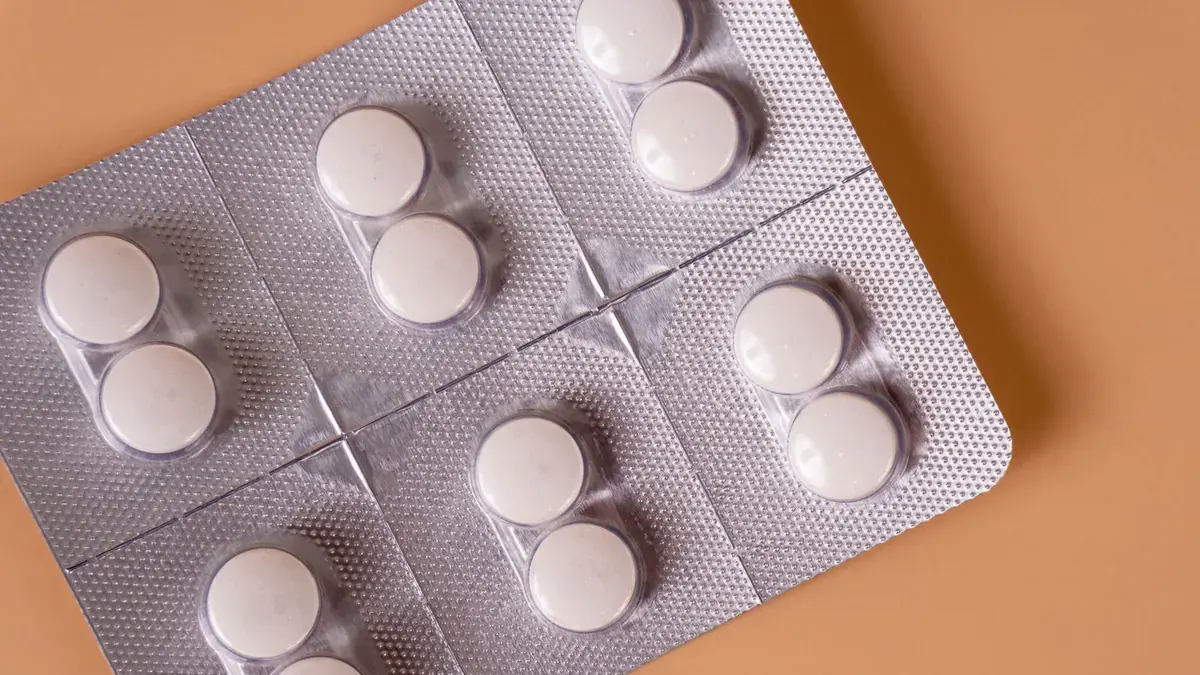
Panadol Rapid (Paracetamol 500mg)
Paracetamol is the first choice for bringing a fever down, and it is usually better to stick with one medicine while it is working. Panadol Rapid is not for children under 12. Younger children usually take a children's paracetamol liquid dosed by weight; check the label, as standard Panadol tablets have directions for ages 7 to 12.
Best thermometer
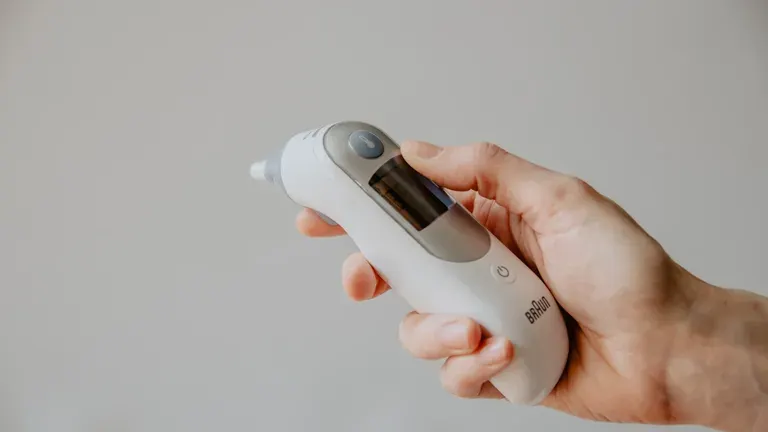
Braun Digital Thermometer
A digital thermometer lets you track the temperature rather than guess at it, which helps you and your doctor judge how a fever is changing.
General information only — check with your pharmacist or GP before starting a new medicine. Always read the label and follow the directions for use.
We may earn a commission from these links. It never affects our rankings.
Children’s Dosage Calculator
Estimate paracetamol & ibuprofen doses by weight
Enter a valid weight to see dosage estimates. Doses are shown from 10 kg to 41 kg.
Read this before you measure
- This is a general estimate only — the product label always takes priority.
- Always check the strength on your specific bottle and pick the matching one above, as brands vary.
- Using baby drops (100 mg/mL)? Follow the dosing chart on that pack instead.
- Use the measuring cup or syringe that comes with the medicine.
- Volumes are rounded to the nearest 0.1 mL, so the mL shown can give a few mg more or less than the mg figure.
- Don’t give paracetamol to babies under 1 month unless a doctor advises it.
- See a doctor if your child needs it for more than 48 hours.
- Children 12 years or older should use an adult product and follow its directions. For a child under 12 who weighs more than 41 kg, ask your pharmacist or doctor.
- Don’t use ibuprofen for babies under 3 months. For children under 12 months, or with asthma or chickenpox, use it only if a doctor advises it.
Not a prescription
This calculator gives general information only and isn’t a substitute for professional advice. Always read the label and follow the directions for use, and talk to your pharmacist or doctor about what’s right for your child.
When to get help
- Babies under 3 months with a temperature above 38°C: go to the nearest emergency department now
- Temperature above 40°C
- Fever with a stiff neck: call Triple Zero (000)
- Fever with sensitivity to bright light: see a doctor straight away
- Seizure or confusion: go to the nearest emergency department now, or call Triple Zero (000)
- Difficulty breathing: call Triple Zero (000)
- Fever lasting > 3 days
Good to know
What counts as a fever
A fever is a temperature of 38°C or higher; normal is usually 36.5°C to 37°C, depending on age, time of day and how it's measured. It is part of your immune response, most often to a virus such as a cold or flu. For shivering, see chills; for aches, see muscle aches. Whichever thermometer type you use, follow its instructions and clean it between uses. See your doctor if a fever lasts more than 3 days without improving, or sooner if you have recently been overseas.
Fever in babies and children
A baby under 3 months old with a temperature above 38°C needs the nearest hospital emergency department immediately. Most older children can be cared for at home and don't need fever medicine unless they are in pain or uncomfortable. Ibuprofen is not for babies under 3 months, and children's ibuprofen labels say to use it under 12 months only on a doctor's advice. It is also not for children with asthma unless a doctor advises it. Febrile seizures usually happen between 6 months and 6 years; most aren't harmful, but a doctor should check your child. See a doctor straight away for a fever above 40°C or one lasting more than 2 days. Call Triple Zero (000) if your child is drowsy or unresponsive, has trouble breathing or has a first seizure.
Sources: healthdirect — Fever; healthdirect — Fever and high temperature in children; Nurofen for Children 3 Months–5 Years label
Frequently asked questions
Generally 38°C or higher. 37.5°C-38°C is a low-grade fever.
Related conditions
Best of & comparisons
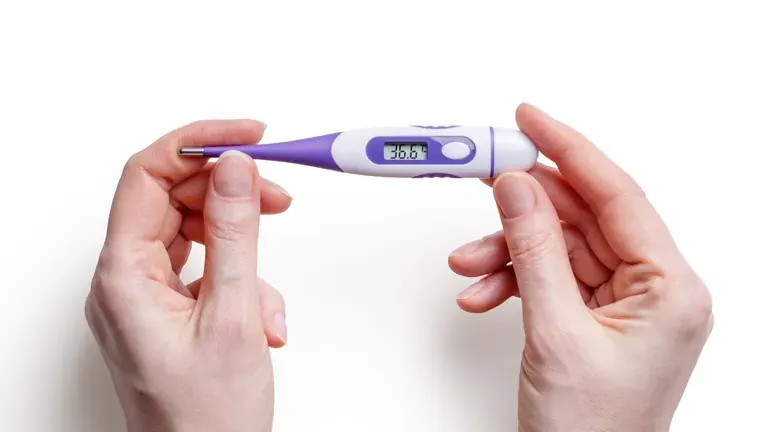
Cough, cold & flu13 min read
Cold vs Flu in Australia: Symptoms & Treatment (2026)
Flu hits hard and fast; a cold creeps in slowly. Learn the key symptom differences, how long each lasts, and the best OTC options in Australian pharmacies.
Pain relief4 min read
Paracetamol vs Ibuprofen: Which Should You Take?
Compare paracetamol and ibuprofen, their key cautions and what to check before combining pain medicines.
Skin, wound & sun care15 min read
Best Thermometers Australia (2026): Ear, Forehead & Digital
Ear, forehead, or digital? We compare Australia's top thermometers for families — accuracy, fever thresholds, and top picks by age group.
Pain relief11 min read
Best Paracetamol Australia: Panadol vs Panamax (2026)
Panadol, Panamax, Herron, Chemist Own — same active ingredient, very different prices. Compare common formulations and learn how to check value per tablet and per dose.
Cough, cold & flu5 min read
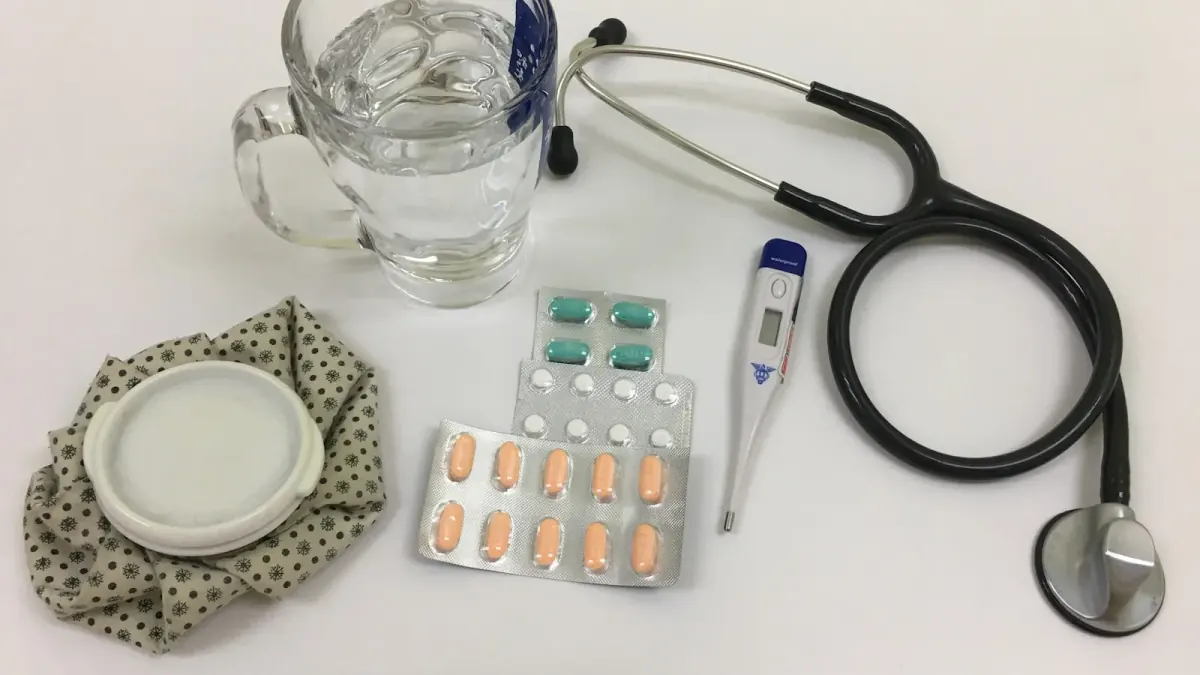
Cold & Flu Tablets in Australia: Ingredients and Limits
Compare Codral, Demazin and pharmacy own-brands, learn how to pick day vs night formulas, and avoid doubling up on paracetamol from multiple products.
Cough, cold & flu8 min read
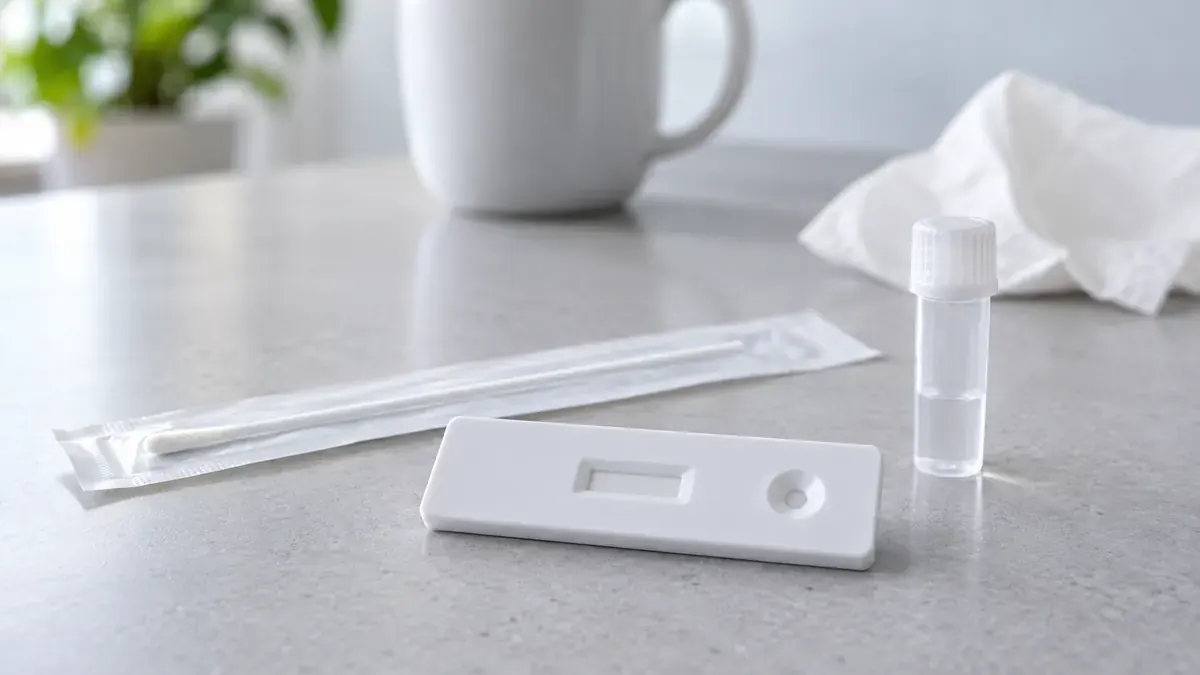
COVID vs Flu vs Cold: How to Tell the Difference and What You Can Take
Tell COVID, the flu and a cold apart fast: what the symptoms share, when to RAT test, and which OTC medicines ease which symptoms in Australia.
Advice & guides
Cough, cold & flu4 min read
Cold Medicine in Australia: Choose by Symptom
Compare cold symptom relief, check combination ingredients and learn when to ask a pharmacist or seek medical care.

Cough, cold & flu11 min read
Antibiotics for a Cold or Sore Throat: Do You Need Them?
Nine in ten colds, flus, and sore throats are viral — antibiotics won't help. Learn the signs of bacterial infection and what OTC options relieve your symptoms.

Family health9 min read
Safe Medicines in Pregnancy: An Australian Guide (Always Check First)
Wondering which everyday medicines are generally considered suitable in pregnancy in Australia? A complaint-by-complaint guide on TGA categories — always check first.

Digestive health9 min read
Gastro & Diarrhoea Relief for Adults: An Australian Self-Care Guide
Gastro and diarrhoea hit fast. Here is the adult self-care that actually works: rehydration first, when loperamide helps (and when it harms), plus red flags.
Cough, cold & flu7 min read
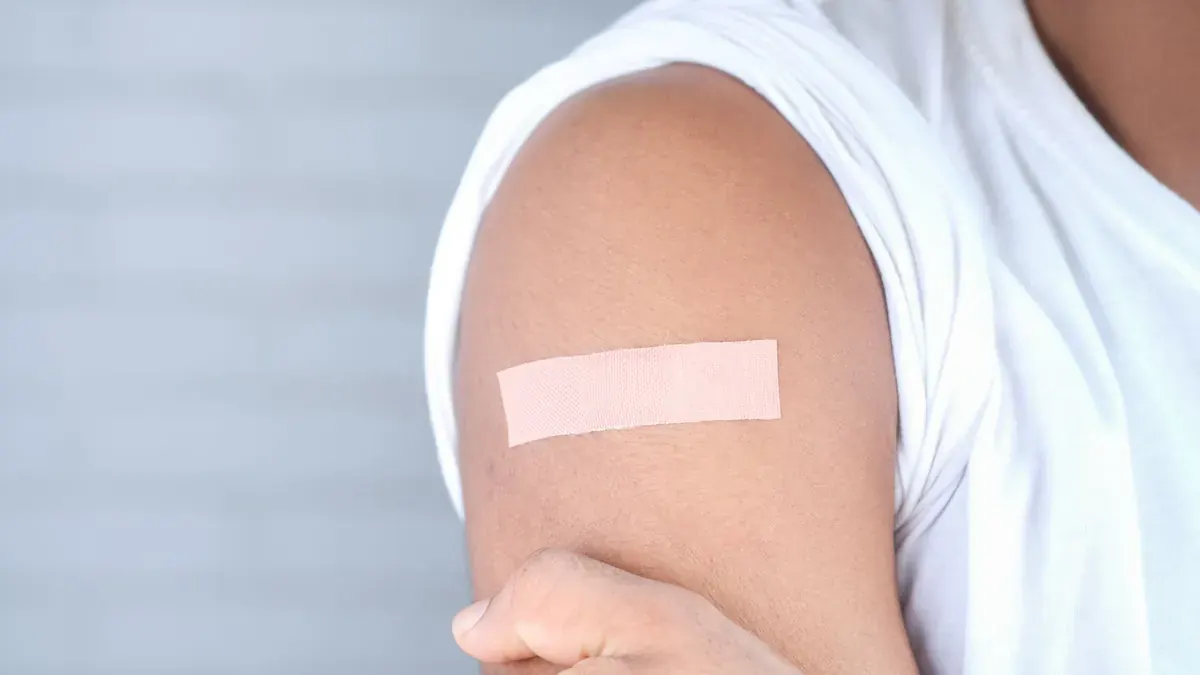
When to Get Your Flu Shot in Australia (2026)
Time your flu shot right — mid-season in July still works, and here's exactly who qualifies for a free flu vaccine in Australia in 2026.
Medical disclaimer
This information is general in nature and isn’t a substitute for professional medical advice. Always read the label and follow the directions for use. Talk to your pharmacist or doctor about what’s right for you.