Condition guide
Headache
Dealing with a pounding headache that won't quit? Find fast-acting pain relief tailored to your headache type and intensity.
Find the right medicinePregnancy & breastfeeding: If you are pregnant, breastfeeding, or planning pregnancy, consult your GP or pharmacist before taking any medication. Some pain relievers and decongestants are not safe during pregnancy or late pregnancy.
Treatment and relief options
- Paracetamol or ibuprofen for tension headaches
- Aspirin or combination products for migraines (if diagnosed); avoid ibuprofen/aspirin if ulcers, bleeding risk, kidney disease, pregnancy, or on anticoagulants; avoid aspirin when breastfeeding and in children under 16 (Reye's syndrome risk)
- Stay hydrated and rest in a dark, quiet room
- Avoid medication overuse headache: no more than 10 days a month for codeine- or caffeine-containing medicines, or 15 days a month for paracetamol or anti-inflammatories
- Track triggers (stress, caffeine, sleep); triptans require prescription
Top picks
Top pick
Panadol Rapid (Paracetamol 500mg)
Paracetamol works for most tension headaches — use it on no more than 15 days a month to avoid medication overuse headache.
Best anti-inflammatory option
Nurofen (Ibuprofen 200mg)
The other first-line option for tension headaches — avoid ibuprofen if you have ulcers, bleeding risk, kidney disease, are pregnant, or take anticoagulants; check with a pharmacist if breastfeeding.
General information only — check with your pharmacist or GP before starting a new medicine. Always read the label and follow the directions for use.
We may earn a commission from these links. It never affects our rankings.
Children’s Dosage Calculator
Estimate paracetamol & ibuprofen doses by weight
Enter a valid weight to see dosage estimates. Doses are shown from 10 kg to 41 kg.
Read this before you measure
- This is a general estimate only — the product label always takes priority.
- Always check the strength on your specific bottle and pick the matching one above, as brands vary.
- Using baby drops (100 mg/mL)? Follow the dosing chart on that pack instead.
- Use the measuring cup or syringe that comes with the medicine.
- Volumes are rounded to the nearest 0.1 mL, so the mL shown can give a few mg more or less than the mg figure.
- Don’t give paracetamol to babies under 1 month unless a doctor advises it.
- See a doctor if your child needs it for more than 48 hours.
- Children 12 years or older should use an adult product and follow its directions. For a child under 12 who weighs more than 41 kg, ask your pharmacist or doctor.
- Don’t use ibuprofen for babies under 3 months. For children under 12 months, or with asthma or chickenpox, use it only if a doctor advises it.
Not a prescription
This calculator gives general information only and isn’t a substitute for professional advice. Always read the label and follow the directions for use, and talk to your pharmacist or doctor about what’s right for your child.
When to get help
- Sudden, severe "thunderclap" headache: call Triple Zero (000)
- Headache with a stiff neck, or a rash that doesn't fade when pressed: call Triple Zero (000)
- Headache with vision changes, confusion, vomiting or difficulty speaking: call Triple Zero (000)
- Headache after head injury
- New headache pattern in people over 50
Good to know
Tension-type, migraine or medication overuse?
A tension-type headache usually feels like a dull, tight band or pressure on both sides of your head and doesn't get worse when you move. A migraine is more often a throbbing pain on one side that worsens with activity, often with nausea or sensitivity to light and noise; some people first notice an aura, such as flashing lights or zigzag lines. Pressure across your forehead or cheekbones with a blocked nose points more towards sinus pain. Taking pain relief too often can itself cause medication overuse headache, which can feel like either type. The risk is higher with codeine- or caffeine-containing medicines on more than 10 days a month, or paracetamol or anti-inflammatories on more than 15 days a month.
Keep a headache diary before you see your GP
Note the days you have a headache, how severe it is, other symptoms, possible triggers such as sleep, screen time or skipped meals, and the days you take pain relief. See your GP if headaches are becoming more frequent or severe, stop you working or sleeping, or mean you need pain relief more than twice a week. For advice at any hour, call healthdirect on 1800 022 222.
Sources: healthdirect — Headaches; healthdirect — Tension headache; healthdirect — Migraine; healthdirect — Medicines for headaches
Frequently asked questions
Paracetamol or ibuprofen work for most. Aspirin is effective for migraines but avoid if you have ulcers, bleeding risk, are pregnant/breastfeeding, on anticoagulants, or are a child/teen.
Related conditions
Best of & comparisons

Pain relief4 min read
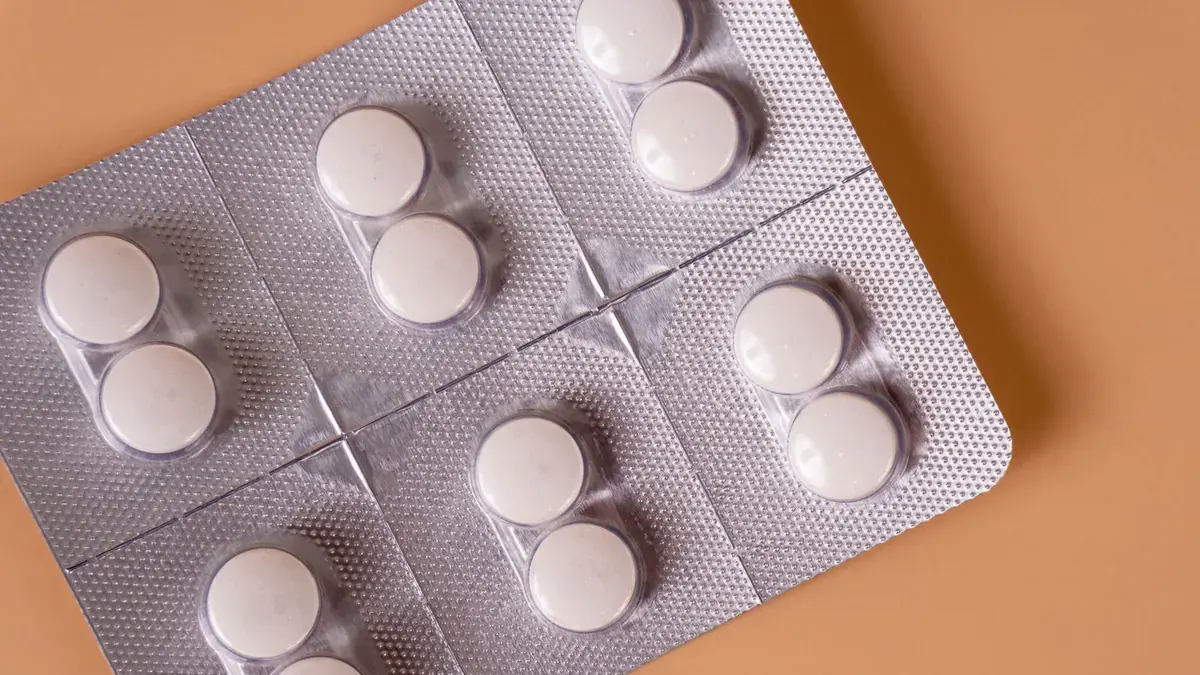
Paracetamol vs Ibuprofen: Which Should You Take?
Compare paracetamol and ibuprofen, their key cautions and what to check before combining pain medicines.
Pain relief11 min read
Best Paracetamol Australia: Panadol vs Panamax (2026)
Panadol, Panamax, Herron, Chemist Own — same active ingredient, very different prices. Compare common formulations and learn how to check value per tablet and per dose.

Pain relief9 min read
Migraine vs Tension Headache: How to Tell the Difference (Australian Guide)
Migraine or tension headache? How to tell them apart by location, pain and symptoms, which OTC options may help each, plus the red flags that mean see a doctor.
Advice & guides

Cough, cold & flu4 min read
Cold Medicine in Australia: Choose by Symptom
Compare cold symptom relief, check combination ingredients and learn when to ask a pharmacist or seek medical care.

Pain relief12 min read
How to Get Rid of a Headache: Types, Causes & OTC Relief
Tension, migraine, sinus or cluster — identify your headache type and find the best OTC relief available at Australian pharmacies, plus the red flags that mean see a GP.

Pain relief10 min read
Sinus Headache Treatment and How to Tell It From a Migraine
Most self-diagnosed sinus headaches are actually migraines. Learn how to tell them apart and the OTC treatment ladder for true sinus headache.

Pain relief9 min read
Medication-Overuse Headache: Causes and How to Break the Cycle
The painkillers meant to fix your headache can start causing it. Learn which medicines cause rebound headache and how to break the cycle safely.
Medical disclaimer
This information is general in nature and isn’t a substitute for professional medical advice. Always read the label and follow the directions for use. Talk to your pharmacist or doctor about what’s right for you.