Condition guide
Muscle Aches
Sore, aching muscles making movement uncomfortable? Get fast relief from muscle aches with the right pain relief and recovery strategies.
Find the right medicineTreatment and relief options
- Ibuprofen or naproxen for pain and inflammation, for a short time at the lowest dose that helps; avoid if pregnant or if you have a stomach ulcer or bleeding, or kidney or liver disease; check with a doctor or pharmacist first if you have asthma, heart disease or high blood pressure, or are over 65
- Paracetamol for mild muscle pain
- Heat therapy for muscle tension and soreness
- Gentle stretching and movement
- Adequate rest and hydration
When to get help
- Severe muscle pain with dark urine (rhabdomyolysis)
- Muscle weakness or difficulty moving
- Muscle pain after starting new medication (statins)
- Fever with severe muscle aches
- Muscle pain that doesn't improve after a week
Good to know
Workout soreness, a virus or a medicine?
Soreness that develops after exercise is known as delayed onset muscle soreness, and warming up and cooling down may help reduce it. If you think you're injured, stop and get advice before exercising again. Whole-body aches with fever and chills are more likely a virus such as the flu (see cold and flu and fever). Pain centred in a joint belongs on joint pain, and lower back strain on back pain. Muscle pain is also a possible side effect of statins. It is likely to settle by itself, but tell your doctor rather than stopping the medicine yourself; they may suggest a lower dose or a different statin.
Taking a cold and flu product? Avoid doubling up
Some cold and flu products already contain an anti-inflammatory, so adding another for aches can lead to an accidental overdose. Check labels or ask a pharmacist. Don't take anti-inflammatories if you're pregnant, and check with your doctor or pharmacist first if you have asthma or are over 65. If aches come with fever and a very bad headache, stiff neck or a rash that doesn't fade when pressed, go to an emergency department or call Triple Zero (000).
Sources: healthdirect — Sports massage; Better Health Channel — Exercise safety; healthdirect — Flu (influenza); healthdirect — Statins; healthdirect — Anti-inflammatory medicines (NSAIDs); healthdirect — Meningitis
Frequently asked questions
Exercise, overuse, tension, viral infections (flu), or fibromyalgia. Sudden severe pain needs evaluation.
Related conditions
Best of & comparisons
Cough, cold & flu13 min read
Cold vs Flu in Australia: Symptoms & Treatment (2026)
Flu hits hard and fast; a cold creeps in slowly. Learn the key symptom differences, how long each lasts, and the best OTC options in Australian pharmacies.

Pain relief4 min read
Paracetamol vs Ibuprofen: Which Should You Take?
Compare paracetamol and ibuprofen, their key cautions and what to check before combining pain medicines.
Pain relief11 min read
Best Paracetamol Australia: Panadol vs Panamax (2026)
Panadol, Panamax, Herron, Chemist Own — same active ingredient, very different prices. Compare common formulations and learn how to check value per tablet and per dose.

Pain relief12 min read
Best Anti-Inflammatory Gel Australia: Voltaren vs Nurofen (2026)
Compare Australia's top anti-inflammatory gels — Voltaren Osteo Gel 12 Hourly, Emulgel, and Nurofen — on strength, concentration, application frequency, and who each product suits best.

Pain relief12 min read
Best Heat Rub in Australia: Compared for 2026
We compare Deep Heat, Tiger Balm, Dencorub, Metsal and Mentholatum on active ingredients, how they work, and which suits back pain, sore muscles or recovery.

Pain relief11 min read
Best Pain Relief Patches Australia (2026): Medicated, Heat & Menthol
Compare the top pain relief patches available in Australia — Voltaren, Salonpas, Deep Heat and more — and find which type may best suit your muscle or joint discomfort.
Vitamins & supplements10 min read
Magnesium Glycinate vs Citrate: Which Should You Take?
Glycinate for sleep or citrate for regularity? Compare absorption, elemental magnesium, the laxative effect, price and who each form suits best in Australia.
Advice & guides

Pain relief5 min read
Back Pain Relief in Australia: OTC Options and When to Seek Help
Compare the limits of OTC back-pain medicines, staying active, safety cautions and symptoms that need urgent assessment.

Vitamins & supplements12 min read
Vitamin D Deficiency Australia: Symptoms, Testing & Supplements (2026)
Nearly 1 in 4 Australians has low vitamin D. Learn the symptoms, what your nmol/L result means, how much sun you need, and which supplements may help.

Skin, wound & sun care15 min read
First Aid Kit Essentials for Australia (2026 Guide)
Everything your Australian home, car, or outdoor kit needs — from St John and Trafalgar picks to AU-specific extras like compression bandages and burn gel.

Family health9 min read
Period Pain Relief in Australia: A Pharmacist-Backed Guide to Your Options
Ibuprofen, paracetamol, naproxen or heat? We compare period pain relief options in Australia, why NSAIDs usually beat paracetamol for cramps, and the red flags.
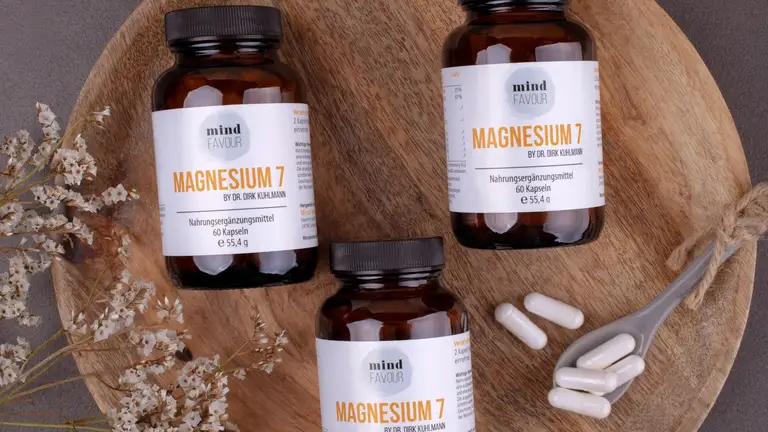
Vitamins & supplements11 min read
Magnesium Benefits and Types: Which Form Is Right for You? (Australia 2026)
An Australian guide to magnesium forms, benefits and cautions, including why sleep evidence does not establish a best form.
Vitamins & supplements11 min read
Fish Oil & Omega-3 Benefits: An Honest Australian Guide (2026)
Fish oil is Australia's top-selling supplement, but what does the evidence actually show? An honest guide to EPA, DHA, doses, forms and who really needs it.
Vitamins & supplements11 min read
Glucosamine & Joint Supplements: Do They Work?
We weigh the evidence for glucosamine, chondroitin, turmeric, collagen, CoQ10 and calcium + vitamin D — and explain who might reasonably trial them.

Vitamins & supplements7 min read
Sports Supplements Guide: Protein, Creatine & More
Your quick-start overview of sports supplements in Australia — what the evidence supports for protein, creatine, electrolytes and pre-workout, with links to our full protein and creatine guides.
Vitamins & supplements9 min read
Best Protein Powder in Australia: Whey vs Plant Guide
Whey concentrate, isolate, casein or plant protein — what the evidence says about daily protein targets, how to read a label, and who should choose which type.

Vitamins & supplements8 min read
Creatine Guide (Australia): Dosing, Benefits & Safety
How creatine works, why monohydrate beats the fancier forms, how much to take and when, and what the evidence really says about safety and the kidney myth.
Family health8 min read
Men's Health: OTC & Supplement Guide (Australia)
A practical pharmacy guide for Australian men — hair loss, prostate and urinary symptoms, multivitamins and sports injury recovery, and when to see a GP.

Pain relief8 min read
Gout Treatment in Australia: Attacks & Prevention
Relieve a gout attack fast and lower your long-term risk. Compare OTC anti-inflammatories, colchicine, allopurinol, diet triggers and when to see a GP.

Cough, cold & flu7 min read
When to Get Your Flu Shot in Australia (2026)
Time your flu shot right — mid-season in July still works, and here's exactly who qualifies for a free flu vaccine in Australia in 2026.
Medical disclaimer
This information is general in nature and isn’t a substitute for professional medical advice. Always read the label and follow the directions for use. Talk to your pharmacist or doctor about what’s right for you.