Guide
Iron Supplements in Australia: Get Tested First, Then Supplement Smart (2026)
Tired, pale or breathless? Learn the signs of low iron, why a blood test must come first, and how to compare and take Australian iron supplements correctly.
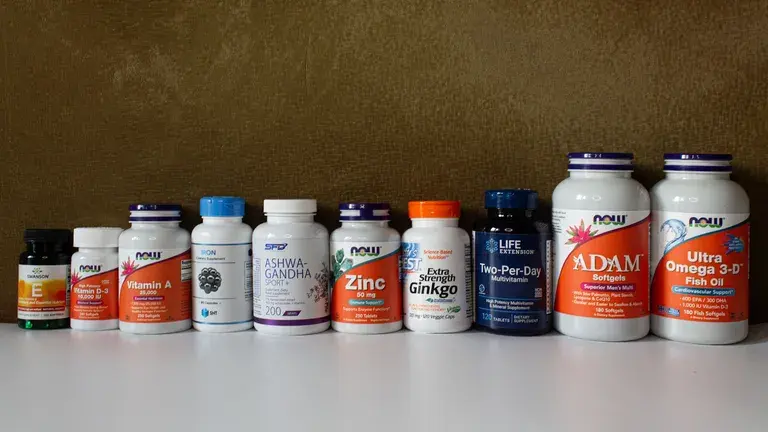
Key takeaways
- Low iron is common in Australia, especially among menstruating women, but its symptoms overlap with many other conditions. The single most important step is a GP blood test (serum ferritin plus haemoglobin) before you start any iron supplement — taking iron you do not need carries a real risk of iron overload. Once deficiency is confirmed, choosing a tolerable form and taking it correctly (with vitamin C, away from tea, coffee and dairy) makes a big difference. Iron studies are typically bulk-billed under Medicare, so get tested first, then supplement smart.
Iron deficiency is one of the most common nutritional problems in Australia, and one of the most commonly self-treated. Walk into any Chemist Warehouse, Priceline or supermarket and you will find a wall of iron tablets, liquids and "energy" supplements promising to fix fatigue. The trouble is that the symptoms of low iron — tiredness, breathlessness, feeling cold, poor concentration — are vague and overlap with dozens of other conditions, from low vitamin D to an underactive thyroid. Reaching for an iron supplement before you know your iron is actually low can mask another problem and, in some people, cause harm.
This guide takes a "get tested first, then supplement smart" approach. We explain what iron does, the signs that suggest it might be low, who is most at risk, and how the different iron supplements sold in Australia compare. Most importantly, we explain why a simple blood test should come before any tablet — and how to take iron correctly once a deficiency is confirmed.
Quick Answer: How Should I Take Iron Supplements for Best Absorption? Take iron on an empty stomach where you can tolerate it — about one hour before food or two hours after — and pair it with a vitamin C source such as a glass of orange juice, which helps your body absorb the iron. Avoid taking iron within around two hours of tea, coffee, milk, calcium supplements or antacids, as these can significantly reduce how much iron you absorb. Emerging evidence suggests that taking iron every second day, rather than daily, may improve absorption and be gentler on the stomach for some people — but only ever supplement on the advice of your GP once a deficiency has been confirmed.
Do Not Self-Diagnose or Self-Supplement — Get a Blood Test First Iron is one of the few nutrients where taking too much is genuinely dangerous. A GP blood test measuring serum ferritin (your iron stores) and haemoglobin is the only reliable way to confirm whether you are iron deficient. Supplementing without testing risks iron overload (iron toxicity), which can damage the liver and heart over time, and may mask an inherited condition called haemochromatosis, where the body absorbs too much iron. The good news: in Australia a GP referral for iron studies is typically bulk-billed under Medicare. If you suspect low iron, see your GP for a test before buying any iron supplement.
Why Iron Matters
Iron is an essential mineral your body cannot make — you get it from food or supplements. Its most important job is forming haemoglobin, the protein in red blood cells that carries oxygen from your lungs to the rest of your body. Iron is also part of myoglobin, which stores oxygen in your muscles, and it supports energy production and normal immune function.
When iron stores run low, your body makes fewer healthy red blood cells and delivers less oxygen to your tissues. In its early stage this is called iron deficiency; if it progresses, it becomes iron deficiency anaemia, where haemoglobin itself falls below normal. That oxygen shortfall is what drives the classic symptoms of fatigue, breathlessness and looking pale.
Signs and Symptoms of Low Iron
Low iron often develops slowly, so many people put the symptoms down to being busy, stressed or simply getting older. The most commonly reported signs include:
- Persistent fatigue and low energy — the most common symptom, and the reason many people first suspect low iron
- Pale skin, or a paler-than-usual inner lower eyelid and lips
- Shortness of breath, especially during activity that did not used to leave you puffed
- Cold hands and feet, even when others around you are comfortable
- Restless legs — an uncomfortable urge to move your legs, often worse at night, which is recognised as a possible sign of low iron
- Poor concentration, brain fog or feeling mentally "flat"
- Heart palpitations or a noticeably faster heartbeat
- Headaches or dizziness
- Brittle nails, hair shedding, or unusual cravings for ice or non-food items (a pattern known as pica)
5 Common Signs of Low Iron If you had to remember just five, the standouts are: ongoing tiredness, unusual breathlessness, looking pale, feeling the cold, and restless legs at night. None of these prove low iron on their own — they simply justify asking your GP for a blood test.
These Symptoms Overlap With Many Conditions Fatigue, breathlessness and poor concentration are also caused by low vitamin D, thyroid problems, sleep disorders, depression, coeliac disease and more. That overlap is exactly why guessing — and self-supplementing — is risky. A blood test tells you whether iron is the culprit or whether something else needs attention.
Who Is Most at Risk of Iron Deficiency?
At a Glance The biggest risk groups in Australia are menstruating women (especially with heavy periods), pregnant women, and vegetarians or vegans, since plant iron is absorbed less efficiently than the haem iron found in meat.
Iron deficiency happens when your intake or absorption cannot keep up with your body's needs or losses. You are more likely to be affected if you fall into one or more of these groups:
- Menstruating women — regular blood loss each month is the single most common reason for low iron in Australia, and heavy periods (menorrhagia) substantially increase the risk
- Pregnant women — iron requirements rise sharply to support the growing baby and an expanded blood volume
- Vegetarians and vegans — plant (non-haem) iron is absorbed less efficiently than the haem iron found in meat, so intake needs to be higher
- Endurance and high-volume athletes — through a combination of higher demand, foot-strike red cell breakdown and losses through sweat
- Frequent blood donors — each whole blood donation removes a meaningful amount of iron, and stores take time to rebuild
- Infants, toddlers and rapidly growing teenagers — growth spurts increase iron needs
- People with conditions affecting gut absorption (coeliac disease, inflammatory bowel disease) or those who have had certain stomach or bowel surgery
- People with ongoing gastrointestinal blood loss (for example from ulcers) — a reason any unexplained deficiency should always be assessed by a GP
Getting Tested: Ferritin, Haemoglobin and What They Mean
If you have symptoms or fall into a high-risk group, your GP can order a blood test. Two results matter most:
| Marker | What It Shows |
|---|---|
| Serum ferritin | Reflects your iron stores — usually the first marker to fall, so it can flag a deficiency before anaemia develops. |
| Haemoglobin | Measures the oxygen-carrying capacity of your blood; when it drops below the normal range, you have iron deficiency anaemia. |
GPs often order a full "iron studies" panel alongside a full blood count to build a complete picture.
Medicare and Iron Studies In Australia, a GP referral for iron studies is typically bulk-billed under Medicare when there is a clinical reason, so the test is usually free to you. Crucially, a blood test does more than confirm low iron — it can help your GP work out why your iron is low, which is just as important as topping it up. Ferritin can also be falsely raised by infection or inflammation, which is another reason results should be interpreted by your GP rather than self-assessed.
OTC Iron Supplements Decoded: Australian Forms Compared
Walk the supplement aisle and the labels can be baffling: ferrous sulfate, ferrous fumarate, ferrous gluconate, iron bisglycinate, iron polymaltose. The key concept that cuts through the confusion is elemental iron — the amount of actual usable iron in each tablet, as opposed to the total weight of the iron compound. Two products can list very different milligram figures yet deliver a similar dose of elemental iron, so it is the elemental iron content that matters when comparing them.
The other major difference between forms is tolerability. Higher-dose ferrous salts (like ferrous sulfate) are well absorbed and inexpensive, but are also the most likely to cause stomach upset and constipation. Gentler forms such as iron bisglycinate and iron polymaltose (the iron in Maltofer) tend to be easier on the gut, which can make them easier to keep taking — though they are often more expensive per dose. There is no single "best" form for everyone; the right choice balances how much elemental iron you need with what your stomach will tolerate.
| Iron Form | Elemental Iron | Tolerability | Notes |
|---|---|---|---|
| Ferrous sulfate (e.g. Ferro-Grad C, FGF) | High (around 20% elemental) | Lower — most likely to cause constipation and nausea | Well absorbed, inexpensive and widely studied. Ferro-Grad C pairs it with vitamin C. A common first choice in confirmed deficiency. |
| Ferrous fumarate | High (around 33% elemental) | Lower to moderate | Concentrated source of elemental iron; similar gut side effects to ferrous sulfate for many people. |
| Ferrous gluconate | Lower (around 12% elemental) | Moderate — sometimes better tolerated | Less elemental iron per tablet, so larger or more frequent doses may be needed to match other salts. |
| Iron bisglycinate (e.g. some Ethical Nutrients products) | Moderate, gentle delivery | Higher — often marketed as gentle, low-irritant | A chelated form many people find easier on the stomach. Frequently chosen by those who could not tolerate ferrous salts. |
| Iron polymaltose (Maltofer) | Moderate, steady delivery | Higher — designed to be gentle on the gut | Available as tablets and a liquid. Often taken with or after food. A popular option when tolerability is the priority. |
A Note on Brands Brands such as Ferro-Grad C, Maltofer and Ethical Nutrients are widely stocked across Australian pharmacies. We mention them to illustrate the different iron forms, not as recommendations for any individual. Which product (and dose) suits you depends on your blood results and tolerance — your pharmacist or GP is the right person to help you choose.
How to Take Iron for Best Absorption
Getting the most out of an iron supplement is about more than just swallowing the tablet. How and when you take it can meaningfully change how much iron your body absorbs. Once your GP has confirmed a deficiency and recommended a supplement, these principles help:
- Take it on an empty stomach if you can — roughly one hour before, or two hours after, food. Absorption is best this way, though it can be harder on the stomach.
- Pair it with vitamin C. A glass of orange juice or a vitamin C source taken alongside iron helps convert it into a more absorbable form. This is why some products (like Ferro-Grad C) already combine iron with vitamin C.
- Keep tea and coffee well away. The tannins and polyphenols in tea and coffee bind iron and can dramatically reduce absorption — avoid them for about two hours either side of your dose.
- Separate iron from dairy, calcium supplements and antacids. Calcium competes with iron for absorption, and antacids reduce the stomach acidity that helps iron dissolve.
- Consider alternate-day dosing. Emerging research suggests taking iron every second day, rather than daily, may improve overall absorption and reduce side effects for some people — discuss whether this suits you with your GP or pharmacist.
- Be patient and consistent. It commonly takes several weeks to feel better and a few months to rebuild iron stores. Your GP will usually arrange a follow-up blood test to check progress.
| Do | Don't |
|---|---|
| Take on an empty stomach (1 hour before or 2 hours after food) if you can tolerate it | Take with tea or coffee — tannins and polyphenols bind iron and reduce absorption |
| Pair with a vitamin C source, such as a glass of orange juice | Take with dairy, calcium supplements or antacids — calcium competes with iron for absorption |
| Consider alternate-day dosing if your GP or pharmacist agrees it suits you | Expect a quick fix — rebuilding iron stores takes weeks to months |
Is There a Quick Fix to Boost Iron Immediately? Not really. There is no supplement that corrects low iron overnight — rebuilding stores takes weeks to months. Iron-rich foods (red meat, poultry, fish, legumes, leafy greens and iron-fortified cereals) support your levels over time, and pairing plant-based iron with vitamin C improves its absorption. For confirmed deficiency, a supplement at the dose your GP advises is the reliable route; for severe cases, your GP may discuss other options. The honest answer is that consistency, not speed, is what restores iron.
Managing Iron Supplement Side Effects
Iron supplements are well known for gut-related side effects, which are a common reason people give up before their levels recover. The most frequent are constipation, nausea, stomach cramps and dark-coloured stools (the last is harmless and expected). If side effects are making it hard to keep going, these strategies may help — and your pharmacist can guide you:
- Take the supplement with a small amount of food if an empty stomach causes nausea — you may absorb slightly less iron, but a dose you can tolerate beats one you stop taking.
- Ask your pharmacist about a gentler form (such as iron bisglycinate or iron polymaltose) or a lower elemental-iron dose if a ferrous salt is poorly tolerated.
- Try alternate-day dosing, which some people find reduces side effects while still rebuilding stores.
- Stay well hydrated and include fibre-rich foods to help manage constipation.
- Dark or black stools are a normal effect of iron — but tell your GP, as it can occasionally mask other causes of stool colour changes.
Keep Iron Away From Children Iron supplements are a leading cause of accidental poisoning in young children, and even a modest number of adult tablets can be dangerous. Always store iron in its original child-resistant packaging, well out of reach. If a child swallows iron tablets, contact the Poisons Information Centre on 13 11 26 immediately.
When to See Your GP
Iron deficiency should always involve a GP — both to confirm it and to understand why it has happened. See your GP if you:
- Have ongoing fatigue, breathlessness, dizziness or other symptoms that suggest low iron — get tested rather than guessing
- Want to start an iron supplement — confirm a deficiency first, so you are not taking iron you do not need
- Have heavy or prolonged periods, which are a very common and treatable cause of low iron in women
- Are pregnant or planning a pregnancy, when iron needs change and supplementation should be supervised
- Are not improving after a reasonable period on a supplement, or your symptoms are getting worse
- Have any unexplained iron deficiency, particularly without obvious blood loss, as your GP may want to investigate the cause
- Have a family history of haemochromatosis or have been told your iron is high — in which case supplementing would be the wrong move
Frequently Asked Questions
What is the best iron supplement to take in Australia?
There is no single best iron supplement for everyone. Ferrous sulfate products (like Ferro-Grad C) deliver plenty of elemental iron at low cost but are more likely to upset the stomach, while gentler forms such as iron polymaltose (Maltofer) or iron bisglycinate suit people who cannot tolerate ferrous salts. The right choice depends on your blood results, how much iron you need and how your gut copes — ask your pharmacist or GP to help you match a product to your situation.
What are the early signs of low iron?
The earliest and most common sign is persistent tiredness that is not explained by your sleep or workload. Other early clues include unusual breathlessness on exertion, looking pale, feeling cold, poor concentration and restless legs at night. Because these symptoms are non-specific, a blood test is the only way to confirm whether iron is actually the cause.
Is it okay to take iron tablets every day, or is alternate-day better?
Daily dosing has long been standard, but emerging evidence suggests that taking iron every second day may improve absorption and cause fewer side effects for some people, because frequent dosing can temporarily blunt how much iron the gut takes up. Neither approach is right for everyone — your GP or pharmacist can advise the schedule and dose that suits your results and tolerance.
What will boost my iron immediately?
Nothing boosts iron instantly. Rebuilding iron stores takes weeks to months, regardless of the product. Iron-rich foods and a confirmed-dose supplement taken correctly (with vitamin C, away from tea and coffee) restore levels steadily over time. If your deficiency is severe, your GP can discuss faster medical options, but for everyday low iron, consistency is what works.
Can you take too much iron?
Yes — and this is the main reason not to supplement without testing. Taking iron you do not need can lead to iron overload (iron toxicity), which may damage the liver and heart over time, and can unmask haemochromatosis, an inherited condition where the body absorbs too much iron. Acute overdose is also a serious risk in children. Only take iron when a blood test has confirmed you need it and your GP has recommended a dose.
Should I just take a supplement if I think my iron is low?
No. Because the symptoms overlap with so many other conditions, self-supplementing can mask a different problem and, if your iron is not actually low, expose you to the risks of iron overload. A GP blood test (serum ferritin and haemoglobin) — usually bulk-billed under Medicare — is a quick, low-cost step that tells you whether iron is the issue and what dose, if any, you need.
Disclaimer This article is for informational purposes only and does not constitute medical advice. Always read the label and follow the directions for use. If symptoms persist, talk to your health professional. See your pharmacist or GP for advice tailored to your situation.
The verdict
Low iron is common and very treatable, but iron is one supplement you should not start on a hunch. Get a blood test to confirm low ferritin and haemoglobin first — it is usually bulk-billed under Medicare — then, if you do need iron, choose a form you can tolerate and take it with vitamin C, away from tea, coffee and dairy. Get tested first, then supplement smart.
Related health topics
Medical disclaimer
This information is general in nature and isn’t a substitute for professional medical advice. Always read the label and follow the directions for use. Talk to your pharmacist or doctor about what’s right for you.
More Vitamins & supplements guides
Vitamins & supplements12 min read
Vitamin D Deficiency Australia: Symptoms, Testing & Supplements (2026)
Nearly 1 in 4 Australians has low vitamin D. Learn the symptoms, what your nmol/L result means, how much sun you need, and which supplements may help.
Vitamins & supplements11 min read
Magnesium Benefits and Types: Which Form Is Right for You? (Australia 2026)
Glycinate, citrate, oxide or threonate? An Australian guide to magnesium benefits, the best form for sleep, cramps and stress, plus dosing and cautions.

Family health9 min read
Period Pain Relief in Australia: A Pharmacist-Backed Guide to Your Options
Ibuprofen, paracetamol, naproxen or heat? We compare period pain relief options in Australia, why NSAIDs usually beat paracetamol for cramps, and the red flags.