Guide
Period Pain Relief in Australia: A Pharmacist-Backed Guide to Your Options
Ibuprofen, paracetamol, naproxen or heat? We compare period pain relief options in Australia, why NSAIDs usually beat paracetamol for cramps, and the red flags.
Key takeaways
- For most people with primary period pain, an anti-inflammatory like ibuprofen or naproxen works better than paracetamol because it reduces the prostaglandins that drive cramps. Start it early, before pain peaks. If you can't take NSAIDs (asthma, stomach ulcers), paracetamol may help instead — ask your pharmacist. Heat, gentle exercise and TENS can add useful relief. See a GP if pain is progressively worsening or comes with red-flag symptoms.
Top pick
An NSAID (ibuprofen or naproxen) for typical primary period pain, started at the first sign of cramps
Best value
Generic ibuprofen 200mg from supermarket or pharmacy own-brands (around 8-12c per dose)
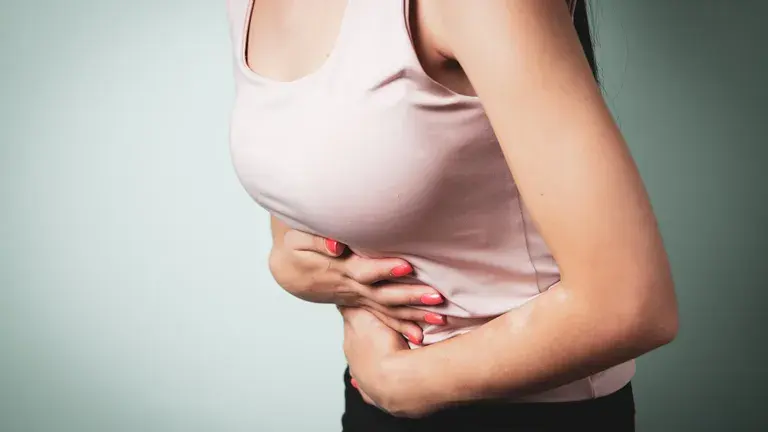
Period pain (medically called dysmenorrhoea) is one of the most common reasons people reach for the pharmacy shelf. For many, it is a few hours of dull cramping; for others, it is days of pain that disrupts work, study and sleep. The good news is that the right over-the-counter (OTC) choice, taken at the right time, can make a real difference. The catch is that not all painkillers work equally well for cramps — and the timing matters as much as the tablet. This guide explains your options in plain English, why some work better than others, and when period pain is a sign to see your GP.
Quick Answer: Is Ibuprofen or Paracetamol Better for Period Pain? NSAIDs such as ibuprofen and naproxen are generally more effective for primary period pain because they reduce prostaglandins — the chemicals that drive the uterine contractions behind cramps. Paracetamol can ease pain but does not act on the underlying inflammation, so it tends to be the weaker option for cramps. If you can't take NSAIDs (for example, with asthma or stomach ulcers), paracetamol may help instead — ask your pharmacist. For best results, start your chosen medicine at the first sign of pain, before it peaks.
What Causes Period Pain?
During your period, the lining of the uterus (womb) releases hormone-like chemicals called prostaglandins. These trigger the muscular wall of the uterus to contract so the lining can shed. Higher prostaglandin levels mean stronger, more painful contractions — and they can also temporarily reduce blood flow to the uterus, which adds to the cramping ache. Prostaglandins are also why some people get accompanying symptoms like nausea, loose bowels, headache or fatigue around their period.
This is the key to understanding why your choice of medicine matters. Because prostaglandins sit at the centre of the problem, a medicine that lowers prostaglandin production tackles the cause of the cramps, not just the pain signal. That is exactly what NSAIDs do.
NSAIDs vs Paracetamol: Why the Difference Matters
NSAIDs (non-steroidal anti-inflammatory drugs) include ibuprofen (Nurofen, Advil, and many generics), naproxen (Naprogesic and generics) and aspirin. They work by blocking the COX enzymes that produce prostaglandins. By reducing prostaglandin levels, NSAIDs may help ease the contractions that cause cramps — which is why they are usually considered the first-line OTC option for primary period pain.
Paracetamol (Panadol, Panamax, Herron and generics) works differently. It reduces how the brain perceives pain and lowers fever, but it has essentially no anti-inflammatory effect and does not meaningfully reduce prostaglandins. It may take the edge off the pain, but it does not address the inflammatory driver of cramps. For most people, that makes it the weaker option for period pain — though it remains a sensible alternative for those who cannot take NSAIDs.
Naproxen vs Ibuprofen for Period Pain Both are NSAIDs and both may help relieve cramps. Ibuprofen acts quickly but is shorter-lasting (around 4-6 hours), so it suits on-and-off dosing through the day. Naproxen lasts longer (often 8-12 hours), which some people prefer for steady overnight or all-day cover. Naprogesic (naproxen) is marketed specifically for period pain in Australia. Never combine two different NSAIDs at the same time. If you're unsure which suits you, ask your pharmacist.
Timing: The Step Most People Get Wrong
How well an NSAID works for period pain often comes down to when you start it. Once prostaglandins have been released and cramps are in full swing, you are playing catch-up. Taking an anti-inflammatory early — at the very first sign of cramping, or when you know your period is about to start — may keep the pain more manageable than waiting until it peaks.
- Start at the first twinge: take your chosen NSAID as soon as cramps begin, rather than waiting to see how bad it gets.
- Keep it regular for the first day or two: dosing on schedule (within label limits) often works better than occasional top-ups once pain has spiked.
- Take ibuprofen and naproxen with food or milk to reduce the chance of stomach upset.
- Always stay within the maximum daily dose on the label, and don't double up on different NSAIDs.
Read the Label Every Time OTC ibuprofen is usually taken as 200-400mg every 4-6 hours with a typical OTC daily maximum of 1200mg. Naproxen and combination period-pain products have their own dosing — follow the specific pack instructions. Watch for hidden ingredients: some period-pain and cold-and-flu products combine an NSAID or paracetamol with other actives, so check you're not doubling up.
First-Line Option: An Anti-Inflammatory (NSAID)
For typical primary period pain, an NSAID is the option most likely to help because it targets the prostaglandins behind your cramps. Ibuprofen is the most widely available and a sensible starting point for many people.
Nurofen (Ibuprofen 200mg) — first-line for cramps
An anti-inflammatory (NSAID) that may help relieve period pain by reducing the prostaglandins that drive uterine cramps. Take with food, start at the first sign of pain, and stay within the label's daily maximum. Generic ibuprofen contains the same active ingredient and is usually cheaper.
Where to buy · Nurofen (Ibuprofen 200mg) — first-line for cramps
Amazon AustraliaView
We may earn a commission from these links. It never affects our rankings.
Ibuprofen for period pain
Targets prostaglandins — addresses the inflammatory driver of cramps, not just the pain signal
Generally more effective than paracetamol for primary period pain
Fast-acting; widely available in supermarkets and pharmacies
Cheap in generic form (Chemist Own, supermarket brands)
Can irritate the stomach lining — take with food or milk
Not suitable for everyone (asthma, stomach ulcers, kidney problems, some heart conditions)
Should be avoided in pregnancy, especially the third trimester
Never combine with another NSAID such as naproxen or aspirin
If You Can't Take NSAIDs: Paracetamol
Some people can't take NSAIDs — for example, those with asthma that is sensitive to anti-inflammatories, a history of stomach ulcers or bleeding, certain kidney or heart conditions, or who are pregnant. If an NSAID isn't suitable for you, paracetamol may help ease the pain instead. It is gentler on the stomach and suits more people, but remember it works on the pain signal rather than the inflammation, so it is generally the weaker choice for cramps. Your pharmacist can help you decide what's appropriate.
Panadol (Paracetamol 500mg) — alternative if NSAIDs don't suit you
Paracetamol may help relieve period pain by reducing how the brain perceives pain. It has no anti-inflammatory action, so it is generally less effective than an NSAID for cramps — but it's a sensible option for people who can't take ibuprofen or naproxen. Never exceed 4g (4000mg) in 24 hours from all sources, and check for hidden paracetamol in other products.
Where to buy · Panadol (Paracetamol 500mg) — alternative if NSAIDs don't suit you
Amazon AustraliaView
We may earn a commission from these links. It never affects our rankings.
Paracetamol for period pain
Gentle on the stomach; suitable for more people than NSAIDs
A useful option when ibuprofen or naproxen can't be taken
Can be combined with an NSAID if a pharmacist or GP advises
Widely available and inexpensive in generic form
No anti-inflammatory effect — usually less effective than NSAIDs for cramps
Easy to overdose if you don't account for hidden paracetamol in combination products
Does not address the prostaglandin driver behind period pain
Period Pain Relief Options Compared
| Option | How it may help | Best for | Cautions |
|---|---|---|---|
Ibuprofen (NSAID) | Reduces prostaglandins that drive cramps | First-line for most primary period pain | Take with food; avoid with asthma/ulcers/kidney issues; not in pregnancy |
Naproxen (NSAID) | Reduces prostaglandins; longer-lasting relief | All-day or overnight cover with fewer doses | Same NSAID cautions; don't combine with other NSAIDs |
Paracetamol | Eases pain perception (no anti-inflammatory action) | When NSAIDs aren't suitable | Stay under 4g/day; watch hidden paracetamol in combo products |
Heat pack / heat patch | Relaxes the uterine muscle and soothes cramping | Drug-free relief, alone or alongside medicine | Avoid burns; don't apply directly to bare skin for long periods |
TENS machine | Mild electrical pulses may interrupt pain signals | People wanting a non-medicine option at home | Follow device instructions; not for use over the abdomen in pregnancy |
Gentle exercise | Boosts circulation and releases endorphins | Mild-to-moderate cramps and ongoing prevention | Listen to your body; rest if pain is severe |
Magnesium (supplement) | Limited evidence it may ease cramps for some | Those wanting to trial a supplement | Evidence is limited; can cause loose stools; check interactions |
Non-Medicine Options That May Help
Medicine isn't the only tool. Several drug-free measures may ease period pain on their own or alongside an NSAID or paracetamol. They are especially useful if you'd rather minimise how much medicine you take.
- Heat: a heat pack, wheat bag or stick-on heat patch on the lower abdomen may relax the cramping muscle. Some studies suggest heat can be comparable to mild pain relief for some people.
- TENS (transcutaneous electrical nerve stimulation): small, drug-free devices deliver gentle pulses that may help dampen pain signals. Many are sold for period and back pain in Australian pharmacies.
- Gentle movement: walking, stretching, yoga or light exercise can improve blood flow and release endorphins, which may take the edge off cramps.
- Magnesium: evidence is limited, but some people find a magnesium supplement may help with cramps or premenstrual symptoms. Discuss with your pharmacist, especially if you take other medicines.
- Rest, hydration and a warm bath: simple comfort measures that can complement the above.
When Period Pain Is a Red Flag: See Your GP Most period pain is primary (no underlying disease) and settles with the right OTC option. But some pain is secondary — caused by a condition such as endometriosis. See a GP if your period pain is progressively worsening over time, isn't relieved by standard NSAID doses, starts outside your period, or comes with heavy bleeding, pain during sex, or bowel symptoms (such as pain when passing stools). These can be signs of endometriosis or another condition that deserves proper assessment.
Primary vs Secondary Dysmenorrhoea
Primary dysmenorrhoea is common period pain with no underlying disease — it usually starts a year or two after periods begin, tends to come with the bleed, and often responds well to NSAIDs and self-care. Secondary dysmenorrhoea is pain caused by an underlying condition such as endometriosis, fibroids or pelvic inflammatory disease. It may begin later in life, get worse over time, last longer than the period itself, or come with other symptoms. If your pain fits the secondary pattern, OTC relief is not enough on its own — a GP can investigate the cause and discuss options.
Red Flags at a Glance See your GP if your pain begins later in life, gets progressively worse over time, lasts longer than the period itself, or comes with other symptoms such as heavy bleeding, pain during sex or bowel symptoms — these can point to an underlying condition such as endometriosis that needs proper assessment.
Frequently Asked Questions
What helps period pain immediately?
For fast relief, many people find an NSAID such as ibuprofen taken at the first sign of cramps, combined with a heat pack on the lower abdomen, works well. Take ibuprofen with food and follow the label. If NSAIDs don't suit you, paracetamol with heat is a reasonable alternative. Gentle movement can also help.
Is ibuprofen or paracetamol better for period pain?
For most people with primary period pain, ibuprofen (an NSAID) is generally more effective because it reduces the prostaglandins that drive cramps. Paracetamol eases pain but not the underlying inflammation, so it tends to be weaker for cramps. If you can't take NSAIDs, paracetamol may help — ask your pharmacist.
What are some natural remedies for cramps?
Non-medicine measures that may help include heat (heat packs or patches), a TENS device, gentle exercise such as walking or yoga, rest and hydration. Some people trial a magnesium supplement, though the evidence is limited. These can be used on their own or alongside OTC pain relief.
Why are my period cramps so bad?
Higher prostaglandin levels generally mean stronger uterine contractions and more pain, which is normal variation for many people. But cramps that are progressively worsening, last longer than your period, or come with heavy bleeding, pain during sex or bowel symptoms may point to an underlying condition such as endometriosis. If that sounds like you, see your GP.
Are there foods good for menstrual cramps?
There's no magic food, but a balanced diet with plenty of fruit, vegetables, wholegrains and water supports general wellbeing around your period. Some people find foods rich in magnesium and omega-3s, and limiting very salty or heavily processed foods, helps them feel better — though individual responses vary and evidence is limited.
What drink calms period cramps?
Warm drinks such as ginger or chamomile tea, or simply staying well hydrated with water, can be soothing for some people. A warm drink paired with a heat pack is a comforting drug-free combination. These are comfort measures rather than proven treatments, so they work best alongside the options above if needed.
Disclaimer This article is for informational purposes only and does not constitute medical advice. Always read the label and follow the directions for use. If symptoms persist, talk to your health professional. See your pharmacist or GP for advice tailored to your situation.
Related health topics
Medical disclaimer
This information is general in nature and isn’t a substitute for professional medical advice. Always read the label and follow the directions for use. Talk to your pharmacist or doctor about what’s right for you.
More Family health guides

Pain relief11 min read
Paracetamol vs Ibuprofen: Which Should You Take?
Panadol or Nurofen? Find out which painkiller suits your symptoms, whether you can safely take both together, who should avoid ibuprofen, and the right daily doses.
Pain relief11 min read
Best Paracetamol Australia: Panadol vs Panamax (2026)
Panadol, Panamax, Herron, Chemist Own — same active ingredient, very different prices. We compare every formulation and show where to find the best value in Australia.

Pain relief12 min read
Best Heat Rub in Australia: Compared for 2026
We compare Deep Heat, Tiger Balm, Dencorub, Metsal and Mentholatum on active ingredients, how they work, and which suits back pain, sore muscles or recovery.