Condition guide
Period Pain
Menstrual cramps disrupting your daily activities? Find effective pain relief options specifically for period pain and cramps.
Find the right medicinePregnancy & breastfeeding: If you are pregnant, breastfeeding, or planning pregnancy, consult your GP or pharmacist before taking any medication. Some pain relievers and decongestants are not safe during pregnancy or late pregnancy.
Treatment and relief options
- Ibuprofen or naproxen (NSAIDs work best for period pain); avoid if you have ulcers, kidney disease, or are on blood thinners
- Paracetamol for mild pain
- Heat packs on lower abdomen
- Start NSAIDs 1 to 2 days before your period is due and take them regularly for the first 2 to 3 days of bleeding. If you could be pregnant or are trying to conceive, ask a pharmacist or doctor first
- Regular exercise may reduce severity
When to get help
- Severe pain not relieved by OTC medication
- Heavy bleeding (changing a pad or tampon every 1 to 2 hours, or passing clots larger than a 50 cent coin)
- Pain between periods
- Fever with period pain
- Sudden change in period pattern
Good to know
Primary or secondary period pain?
Most period pain is primary dysmenorrhoea: cramps from natural chemicals called prostaglandins tightening the muscle of your uterus. It often starts in the first year after periods begin, comes just before or during bleeding, and lasts about 8 to 72 hours. Secondary dysmenorrhoea comes from an underlying condition such as endometriosis, adenomyosis, fibroids or pelvic inflammatory disease, and often begins years later. Endometriosis affects around 1 in 9 females in Australia and diagnosis can take years, so see your GP if pain is new, getting worse or lasting longer than before, stops you going to work or school, or comes with pain during sex, pain or bleeding between periods, or pain when you pass urine or poo. For pain that doesn't follow your cycle, see stomach pain.
Timing matters with anti-inflammatories
Anti-inflammatories such as ibuprofen and naproxen reduce prostaglandin production. They work best started 1 to 2 days before your period is due and taken regularly for the first 2 to 3 days of bleeding. If you could be pregnant or are trying to conceive, ask a pharmacist or doctor first. If they upset your stomach, take them with food, and ask a pharmacist whether they suit you. Tracking when your period arrives, how long and heavy it is and how it affects you helps with timing and gives your GP a clearer picture.
Sources: healthdirect — Painful periods (dysmenorrhoea); healthdirect — Managing period pain; healthdirect — Endometriosis
Frequently asked questions
Ibuprofen or naproxen (NSAIDs) are most effective as they reduce prostaglandins.
Related conditions
Best of & comparisons

Pain relief4 min read
Paracetamol vs Ibuprofen: Which Should You Take?
Compare paracetamol and ibuprofen, their key cautions and what to check before combining pain medicines.
Pain relief11 min read
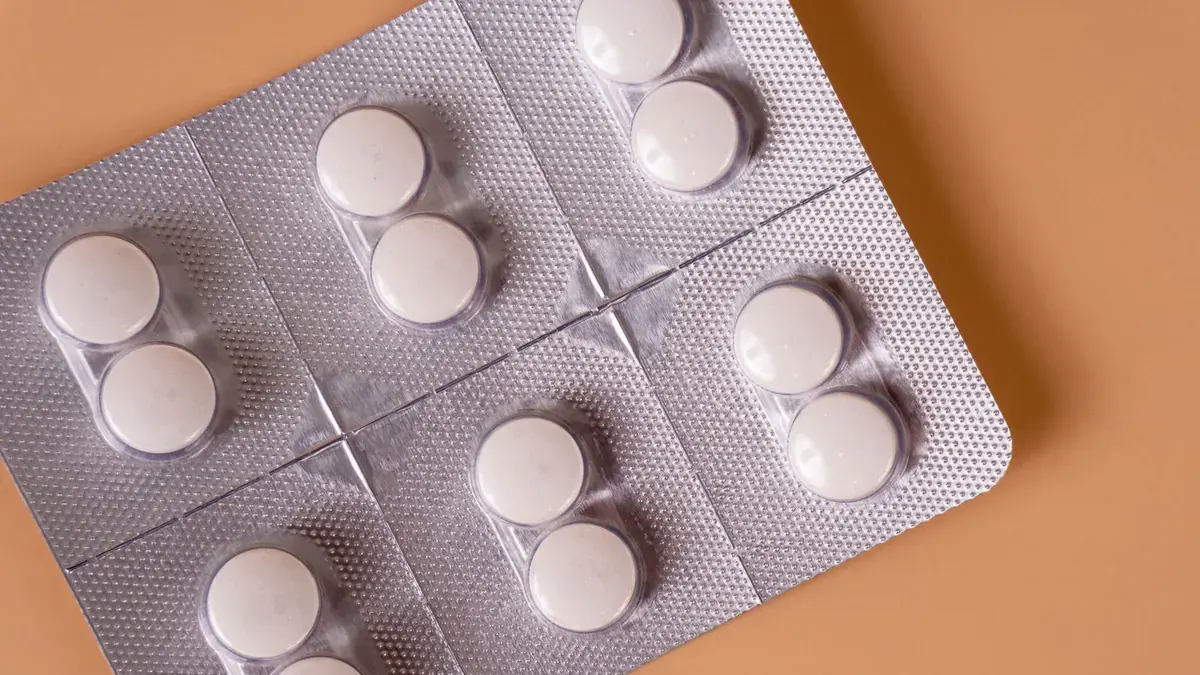
Best Paracetamol Australia: Panadol vs Panamax (2026)
Panadol, Panamax, Herron, Chemist Own — same active ingredient, very different prices. Compare common formulations and learn how to check value per tablet and per dose.
Advice & guides

Family health9 min read
Period Pain Relief in Australia: A Pharmacist-Backed Guide to Your Options
Ibuprofen, paracetamol, naproxen or heat? We compare period pain relief options in Australia, why NSAIDs usually beat paracetamol for cramps, and the red flags.
Vitamins & supplements11 min read
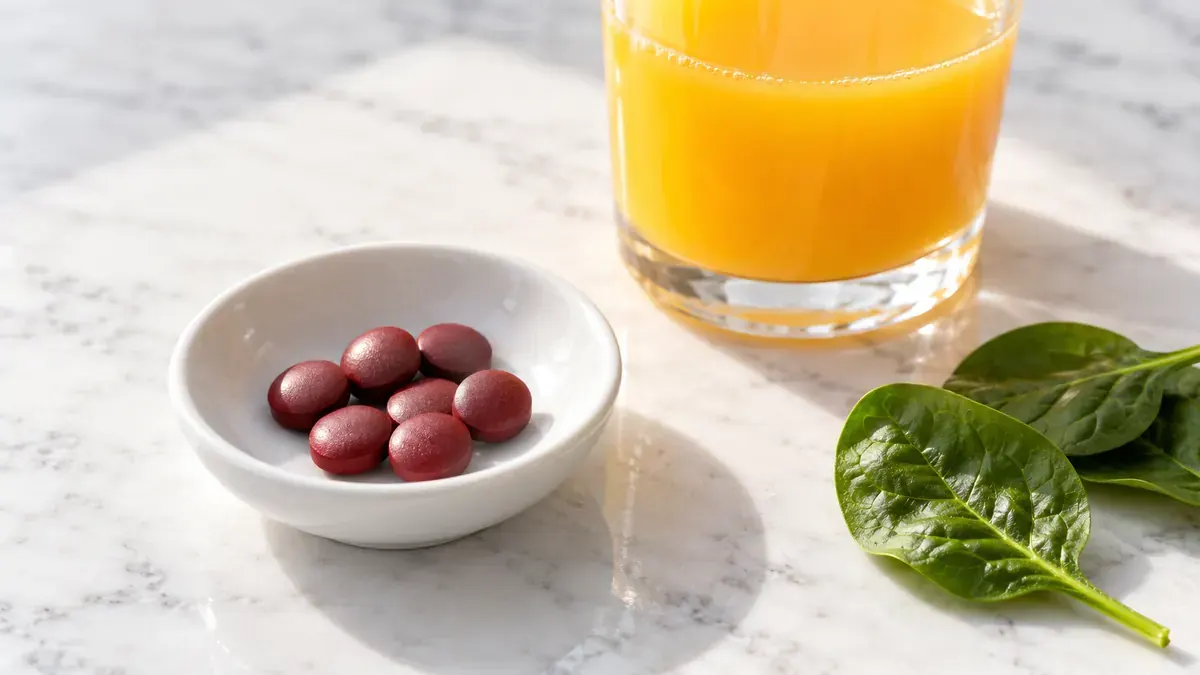
Iron Supplements in Australia: Get Tested First, Then Supplement Smart (2026)
Tired, pale or breathless? Learn the signs of low iron, why a blood test must come first, and how to compare and take Australian iron supplements correctly.
Medical disclaimer
This information is general in nature and isn’t a substitute for professional medical advice. Always read the label and follow the directions for use. Talk to your pharmacist or doctor about what’s right for you.