Condition guide
Diarrhoea
Frequent loose stools disrupting your day? Find fast relief and rehydration solutions for acute diarrhoea.
Find the right medicineTreatment and relief options
- Loperamide for short-term symptom relief in adults; do not use if you have a fever, blood in your stool or suspected dysentery, and do not give to children
- Oral rehydration solutions to prevent dehydration
- Avoid dairy, caffeine, and fatty foods
- Resume light, normal diet as tolerated; avoid high-fat, spicy foods
- Probiotics may help restore gut balance
When to get help
- Blood in stool or black, tarry stools
- Fever (38°C or higher)
- Severe abdominal pain
- Signs of dehydration (dizziness, dark urine, dry mouth)
- Diarrhoea lasting more than 2 days
Good to know
Who dehydrates fastest, and what to drink
Diarrhoea means 3 or more loose or watery stools in a day. The main risk is losing fluid and salts, and very young children and older people can get worse quickly. Babies under 6 months should always see a doctor if gastro is suspected. Older people may not notice they are thirsty, so carers should remind them to drink. For children and older people, oral rehydration solution from a pharmacy or supermarket is better than plain water as it replaces salts too. Sports drinks, soft drinks and drinks with artificial sweeteners are not recommended. If vomiting is the bigger problem, see nausea; if cramping pain dominates, see stomach pain.
When an anti-diarrhoeal is the wrong choice
Diarrhoea can be your body's way of clearing an infection. Anti-diarrhoeal medicines slow the gut, so they are not for long-term use, should not be taken if you have a fever or blood in your stool, and should not be given to children. Ask a pharmacist first.
Gastro spreads easily. Stay off work or school until 48 hours after your last episode of diarrhoea or vomiting, don't prepare food for others while unwell, and wash your hands after using the toilet. For advice, call healthdirect on 1800 022 222.
Sources: healthdirect — Diarrhoea; healthdirect — Gastroenteritis; healthdirect — Dehydration
Frequently asked questions
It can ease symptoms in adults for a short time, but check with a pharmacist first. Do not take it if you have a fever or blood in your stool, and do not give anti-diarrhoeal medicines to children.
Related conditions
Advice & guides

Digestive health11 min read
Stomach Pain by Location: Causes, Red Flags & Relief
Not all stomach pain is the same. Learn what your pain location means, which OTC medicines may help relieve symptoms, and the red flags that need urgent care.

Digestive health13 min read
Best Probiotics Australia: What Actually Works (2026 Guide)
Strain-specific evidence reviewed. We compare Inner Health Plus, Life-Space and Ethical Nutrients — and explain what CFU counts and storage to look for.

Digestive health9 min read
Gastro & Diarrhoea Relief for Adults: An Australian Self-Care Guide
Gastro and diarrhoea hit fast. Here is the adult self-care that actually works: rehydration first, when loperamide helps (and when it harms), plus red flags.
Digestive health8 min read
Travel Health Kit: Medicines to Pack (Australia)
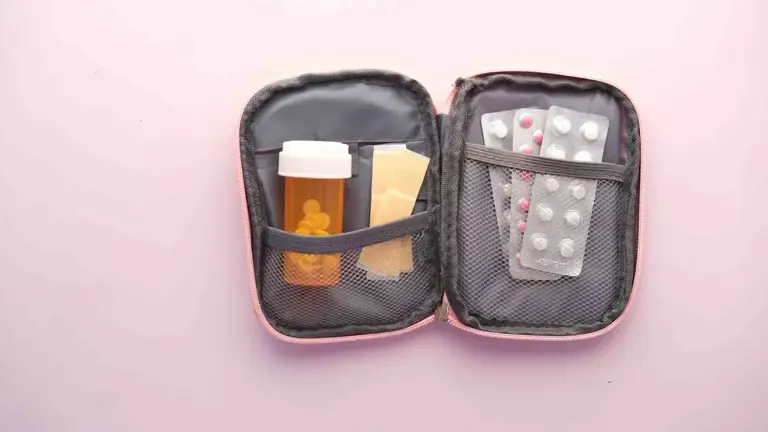
Pack smarter for your next trip. Compare motion sickness tablets, oral rehydration and traveller's diarrhoea options, with a print-ready checklist.

Digestive health11 min read
IBS Treatment: OTC Options and Management in Australia
IBS is manageable, not one-size-fits-all. See which OTC options suit each subtype, what Buscopan and peppermint oil do, and when to go back to your GP.
Medical disclaimer
This information is general in nature and isn’t a substitute for professional medical advice. Always read the label and follow the directions for use. Talk to your pharmacist or doctor about what’s right for you.