Guide
Ear Wax Removal at Home in Australia: Safe Methods, Drops & When to See a Professional
A safe, evidence-based guide to ear wax removal in Australia — which OTC drops may help, the home methods that work, what to skip, and when to see a GP or audiologist.
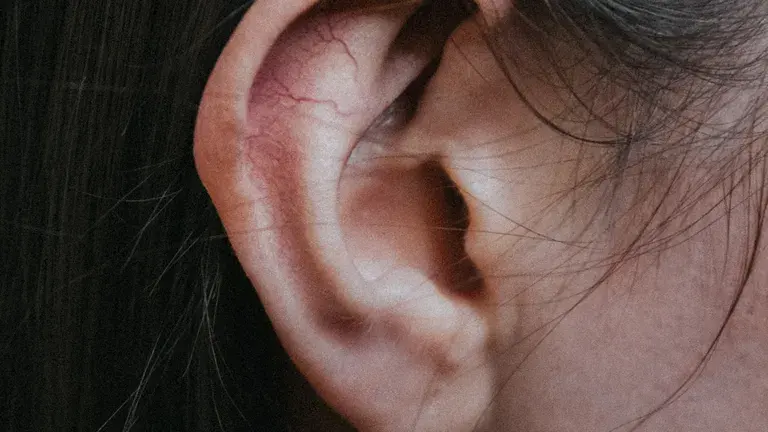
Key takeaways
- Most ear wax clears on its own and does not need removing. If a build-up is causing blocked or muffled hearing, water-based softening drops (such as Waxsol or Ear Clear) or olive oil drops used for a few nights may help. Never use cotton buds or ear candles. See a GP or audiologist for ear pain, discharge, sudden hearing loss, dizziness, a known eardrum perforation or grommets — and have children under 12 assessed by a GP first.
Blocked, muffled hearing or a feeling of fullness in the ear is one of the most common reasons Australians reach for the chemist shelf. Ear wax (the medical name is cerumen) usually clears itself without any help, but sometimes it builds up enough to cause symptoms. The good news is that mild build-ups can often be managed safely at home with a few cheap, widely available products. The important part is knowing which methods are safe, which to avoid completely, and when a blocked ear is a sign you should see a professional rather than treat it yourself.
Quick answer: which OTC drops may help soften ear wax at home in Australia? Water-based ear drops such as Waxsol (docusate sodium) or Ear Clear (carbamide peroxide) may help soften built-up ear wax when used for one to two nights as directed; olive or almond oil drops are a low-cost alternative used over several nights. None of these treat an ear infection — if you have ear pain, discharge or sudden hearing loss, see a GP before using any drops. Avoid cotton buds and ear candles entirely, and have children under 12 assessed by a GP first.
What Is Ear Wax (Cerumen) and Why You Probably Don't Need to Remove It
Ear wax is a natural, healthy substance produced by glands in the outer part of your ear canal. It is not a sign of poor hygiene — quite the opposite. Cerumen traps dust, dirt, and bacteria, keeps the delicate skin of the canal moisturised, and has mild antibacterial properties. Without it, your ear canal would be drier, itchier, and more prone to infection.
Your ears are also self-cleaning. The skin lining the canal slowly migrates outwards, carrying wax with it, and normal jaw movement from talking and chewing helps move it along. Old wax usually works its way to the ear opening on its own, dries out, and falls away without you ever noticing. For most people, the best ear care is simply to leave the ears alone and wipe only the outer ear with a face washer.
Problems only arise when wax builds up faster than it clears, or gets pushed back and compacted — most often by cotton buds, earplugs, hearing aids, or earphones. A build-up that blocks the canal can cause symptoms such as:
- Muffled hearing or a gradual drop in hearing on one side
- A feeling of fullness or blockage in the ear
- Earache or mild discomfort
- Ringing in the ear (tinnitus)
- Itchiness in the ear canal
- Occasionally, dizziness or a blocked sensation that comes and goes
Some people are more prone to build-up If you wear hearing aids or in-ear earphones, use earplugs regularly, are older, or naturally produce drier or narrower-canal wax, you may be more likely to get blockages. People in these groups sometimes benefit from occasional softening drops as maintenance — but it is worth getting your ears checked first so you know what is normal for you.
OTC Ear Wax Softeners and How to Use Them Safely
Over-the-counter ear drops do not 'dissolve' wax in the sense of making it vanish. They work by softening and loosening a build-up so it can move out of the canal more easily on its own, or so that gentle irrigation can flush it out. In Australia you will find three broad types on the pharmacy shelf, plus the simple option of a plain oil.
Wax-softening oils (olive oil, almond oil)
Plain olive oil or almond oil drops are the gentlest and cheapest option, and a sensible first try for a mild build-up. They lubricate the canal and soften hardened wax over several nights. You can buy pharmaceutical-grade olive ear drops at the pharmacy, or use plain olive oil warmed to body temperature. Tip your head so the affected ear faces up, place a few drops into the canal, and stay lying down for a few minutes before sitting up with a tissue to catch any overflow. Repeat once or twice daily for up to about five days. Oils may help wax migrate out naturally and are often used to soften wax for a night or two before professional removal.
Docusate sodium drops (e.g. Waxsol)
Waxsol contains docusate sodium, a water-based wetting agent that helps break up and soften wax quickly. It is often used for just one or two nights — typically the night (and sometimes the morning) before a planned syringing or irrigation appointment — to make wax easier to remove. Follow the pack directions exactly: usually filling the affected ear with drops at bedtime and plugging gently with cotton wool, on the nights specified. Because it works fast, Waxsol is a popular choice when you have a specific build-up to shift rather than ongoing maintenance.
Carbamide peroxide drops (e.g. Ear Clear for Ear Wax Removal)
Carbamide peroxide (also called urea hydrogen peroxide) releases oxygen on contact with wax, creating a mild bubbling/foaming action that helps mechanically loosen a build-up. Ear Clear for Ear Wax Removal is the best-known Australian brand. You may notice a fizzing or crackling sensation, which is normal. These drops are typically used for a few days as directed, sometimes followed by gentle warm-water rinsing. Cerumol is another long-standing brand of softening drops available in Australia. As always, read the specific product's instructions, as formulations and recommended durations differ.
Ear wax removal kits
Some products are sold as kits that pair softening drops with a soft bulb syringe for rinsing. These can be convenient, but the drops and the rinsing technique still need to be used carefully and are only suitable if you have no warning signs (see below). The kit does not change the safety rules — if you have ear pain, discharge, a perforated eardrum, or grommets, do not use it.
Warm the drops to body temperature Drops that are too cold (or too warm) can trigger brief dizziness when they hit the ear canal. Warm the bottle in your hands for a minute or two before use, and never heat drops in a microwave. Always read the label and follow the directions for use for the specific product you buy.
Gentle Warm-Water Irrigation at Home (Step by Step)
If you have softened the wax over a few days and have no warning signs, a gentle rinse with a soft rubber bulb syringe can sometimes help flush a loosened build-up out. This is optional, and many people are better off leaving rinsing to a pharmacist, nurse, or audiologist. If you do try it at home, go gently — never force water in, and stop if it hurts.
- Only attempt this if you have used softening drops for several days first and have no ear pain, discharge, perforated eardrum, grommets, or recent ear surgery.
- Use clean, body-temperature water (around 37°C). Water that is too hot or too cold can cause dizziness.
- Sit upright with a towel over your shoulder and a bowl held under the ear to catch the runoff.
- Gently pull the outer ear up and back to straighten the canal.
- Place the tip of the soft bulb syringe just inside the ear opening — not deep into the canal — and squeeze gently so the water flows along the side of the canal, not blasted straight at the eardrum.
- Let the water and softened wax drain into the bowl. Repeat once or twice if comfortable.
- Tilt your head to let remaining water drain out, then gently dry the outer ear with a towel. Do not insert anything to dry the inside.
- Stop immediately and see a professional if you feel pain, dizziness, or notice any discharge or bleeding.
When in doubt, don't irrigate — get it done professionally Home irrigation carries a small risk of pushing wax further in, triggering an infection, or — rarely — damaging the eardrum if done with too much force or with an undiagnosed perforation. If your ears block up regularly, or you are not confident, it is safer and often more effective to have wax removed by a GP, nurse, or audiologist using microsuction or controlled irrigation.
What NOT to Do: Cotton Buds and Ear Candling
Never use cotton buds or ear candles Cotton buds (Q-tips) are one of the most common causes of compacted wax — they push wax deeper, can scratch the ear canal, and can rupture the eardrum. Ear candling is not supported by evidence, does not remove wax, and carries real risks of burns to the face and ear, hot wax dripping into the canal, and blockage from candle wax. Australian GPs and audiologists advise against both. Do not insert cotton buds, hairpins, keys, twisted tissue, or any object into your ear canal.
The golden rule of ear care is simple: never put anything smaller than your elbow into your ear. The ear canal is delicate and self-cleaning, and most damage and impactions are self-inflicted with cotton buds. Here is what to skip and why:
- Cotton buds in the canal — they compact wax against the eardrum, scratch the skin (raising infection risk), and can perforate the eardrum. Use them only on the outer ear if at all.
- Ear candling (ear coning) — the claimed 'suction' effect is not real. Studies show it removes no wax and can deposit candle wax in the canal, while burns, ear injuries and even house fires have been reported. Australian health authorities advise against it.
- Sharp or rigid objects (hairpins, keys, pen lids, paperclips) — high risk of cutting the canal or damaging the eardrum.
- Forceful water jets (e.g. dental water flossers aimed into the ear) — too much pressure can injure the eardrum.
- Over-cleaning — removing protective wax too often can leave the canal dry, itchy, and prone to infection, which can ironically trigger more wax production.
OTC Ear Wax Options Compared
| OTC option | How it may help | How to use | Cautions |
|---|---|---|---|
Olive / almond oil drops | Lubricates and softens wax over several nights so it migrates out naturally | A few warmed drops into the affected ear, 1–2 times daily for up to ~5 days | Gentle but slower; avoid if allergic to nuts (almond oil) or with any warning signs |
Docusate sodium (e.g. Waxsol) | Water-based wetting agent that softens wax quickly, often before syringing | Fill ear at bedtime on the night(s) directed; plug gently with cotton wool | Short-term use only; do not use with a perforated eardrum or grommets |
Carbamide peroxide (e.g. Ear Clear) | Releases oxygen to foam and mechanically loosen built-up wax | Drops into the ear as directed for a few days; may fizz/crackle | Can cause mild irritation; stop if pain or discharge occurs |
Wax removal kit (drops + bulb syringe) | Softens wax, then a gentle warm-water rinse helps flush it out | Soften for several days first, then irrigate gently per instructions | Only if no pain, discharge, perforation, grommets or recent surgery |
Brands are prose only — check the label Waxsol, Ear Clear and Cerumol are named here as common Australian examples to help you recognise them on the shelf. Availability, pack sizes, active ingredients and recommended durations vary between products and can change, so always read the current label and ask your pharmacist which option suits your situation.
When to See a GP, Nurse or Audiologist
Home softening drops are only appropriate for a straightforward wax build-up in an otherwise healthy ear. Some symptoms are not caused by wax at all, and using drops or rinsing in these situations can cause harm. See a health professional rather than self-treating if any of the following apply:
- Ear pain — could signal an infection (otitis), not just wax.
- Discharge or fluid from the ear — pus, blood, or weeping needs assessment and usually means drops should not be used.
- Sudden or significant hearing loss — sudden hearing loss can be a medical emergency and should be checked promptly, not assumed to be wax.
- Dizziness, vertigo, or balance problems.
- A known perforated (burst) eardrum, grommets (ear tubes), or recent ear surgery — do NOT put any drops or water into the ear; see a professional.
- Symptoms in a child under 12 — children's ears should be assessed by a GP first rather than treated with home drops or rinsing.
- Build-up that keeps coming back, or wax you simply cannot shift after a few days of drops.
- Hearing aid users who repeatedly block up and need their ears kept clear.
Professionals can remove wax safely using methods you cannot replicate at home. Microsuction uses a gentle vacuum under direct vision and is widely regarded as one of the safest and most effective options, especially for people with a history of perforation. Curettage (using a small instrument under magnification) and controlled irrigation are also used. Many GP clinics, nurse-led ear care services, dedicated ear clinics, and audiology practices across Australia offer these. If you have a perforated eardrum or grommets, tell the clinician up front, as this changes which method is safe.
Sudden hearing loss is not 'just wax' until proven otherwise If your hearing drops suddenly — over hours or a day or two — do not assume it is wax and wait it out. Sudden sensorineural hearing loss is treated as urgent, and early review gives the best chance of recovery. See a GP or seek medical advice promptly.
Frequently Asked Questions
Can a GP remove ear wax in Australia, and is it covered by Medicare?
Yes. GPs and practice nurses can assess and remove ear wax, commonly by irrigation (syringing) or curettage. If you attend a bulk-billing GP, the consultation may be covered by Medicare, though some clinics charge a gap fee or a separate fee for the procedure. Dedicated ear-care and audiology clinics that offer microsuction usually charge a private fee that is not covered by Medicare. It is worth ringing ahead to ask about cost and which method they use.
How much does professional ear wax removal cost in Australia?
Costs vary widely depending on the provider and method. Removal at a bulk-billing GP may cost little or nothing beyond the consultation, while private GP irrigation or curettage may involve a gap fee. Microsuction at a private ear or audiology clinic is typically the most expensive option and is usually charged per appointment, sometimes per ear. Prices change over time and by location, so contact the clinic directly for a current quote.
What's the best ear wax remover in Australia — Waxsol, Ear Clear, Cerumol or olive oil?
There is no single 'best' product — the right choice depends on your situation. Olive or almond oil is the gentlest and cheapest and a good first try for mild build-up. Waxsol (docusate sodium) works fast and is popular for softening wax over a night or two before syringing. Ear Clear (carbamide peroxide) and Cerumol are designed to foam and loosen stubborn wax over a few days. None of them remove wax instantly, and none treat infections. Ask your pharmacist which suits you, and read the label for how long to use it.
How do I remove deep or impacted ear wax at home?
You generally should not try to dig out deep or impacted wax yourself — that is how eardrums get damaged. The safest home approach is to soften it with drops over several days and let it work its way out, or follow with very gentle warm-water irrigation if you have no warning signs. If softening drops do not clear it, or the blockage is uncomfortable, see a GP or audiologist for microsuction or professional irrigation. Never insert cotton buds, tools, or your fingernail to reach deep wax.
What is the safest way to have ear wax removed?
For most people, the safest approach is the least invasive one: leave healthy ears alone, and only act if there is a genuine build-up causing symptoms. When action is needed, softening drops followed by professional removal (microsuction is widely considered among the safest methods, particularly if you have ever had a perforated eardrum) carry less risk than home digging or DIY rinsing. Avoid cotton buds and ear candling entirely.
Does Waxsol dissolve ear wax?
Not exactly — Waxsol contains docusate sodium, which softens and helps break up wax rather than completely dissolving it. It is most often used for one or two nights to loosen a build-up before syringing or irrigation. It may help wax come out more easily, but a heavy or impacted blockage will usually still need rinsing or professional removal afterwards. Do not use Waxsol if you have a perforated eardrum, grommets, ear pain, or discharge — see a professional instead.
Disclaimer This article is for informational purposes only and does not constitute medical advice. Always read the label and follow the directions for use. If symptoms persist, talk to your health professional. See your pharmacist or GP for advice tailored to your situation.
The verdict
Most ear wax never needs removing — the ear cleans itself. For a build-up that's blocking your hearing, softening drops such as olive oil, Waxsol or Ear Clear used over a few nights may help it clear, optionally followed by gentle warm-water irrigation. Skip cotton buds and ear candles completely. If you have ear pain, discharge, sudden hearing loss, dizziness, a perforated eardrum or grommets — or the patient is a child under 12 — see a GP or audiologist rather than treating it at home.
Related health topics
Medical disclaimer
This information is general in nature and isn’t a substitute for professional medical advice. Always read the label and follow the directions for use. Talk to your pharmacist or doctor about what’s right for you.
More Eye, ear & nose guides
Skin, wound & sun care15 min read
First Aid Kit Essentials for Australia (2026 Guide)
Everything your Australian home, car, or outdoor kit needs — from St John and Trafalgar picks to AU-specific extras like compression bandages and burn gel.
Skin, wound & sun care15 min read
Best Thermometers Australia (2026): Ear, Forehead & Digital
Ear, forehead, or digital? We compare Australia's top thermometers for families — accuracy, fever thresholds, and top picks by age group.

Cough, cold & flu11 min read
Decongestant vs Saline Nasal Spray: Which Should You Use?
Fess or Otrivin? Learn when to use a saline spray, when a decongestant works better, how to avoid rebound congestion, and what's safe in pregnancy and for children.