Guide
First Aid Kit Essentials for Australia (2026 Guide)
Everything your Australian home, car, or outdoor kit needs — from St John and Trafalgar picks to AU-specific extras like compression bandages and burn gel.
Key takeaways
- Pre-made kits are a great starting point, but every Australian home should supplement theirs with OTC medicines, burn gel, and a snake bite bandage. Check and restock your kit every six months.
Top pick
St John Ambulance First Aid Kit — Australia's most trusted name in first aid, comprehensive contents, and well-organised case
Best value
Trafalgar Family First Aid Kit — excellent item count and quality at a mid-range price
Every Australian household should have a well-stocked first aid kit. Whether it is a kitchen burn, a playground graze, or a bushwalking encounter with a snake, having the right supplies — and knowing how to use them — can make the difference between a minor incident and a medical emergency.
The challenge is that most pre-made kits you buy off the shelf cover basic wound care but miss things Australians specifically need: burn gel for our barbecue-loving culture, snake bite bandages for anyone near bushland, and OTC medicines like paracetamol and antihistamines for everyday ailments. In this guide, we cover exactly what your kit should contain, compare the best pre-made options, and explain how to maintain it all year round.
What should an Australian first aid kit contain? An Australian home first aid kit should contain adhesive bandages (Band-Aids), non-stick wound dressings, gauze swabs, crepe and triangular bandages, sterile saline, antiseptic, disposable gloves, a CPR face shield, scissors and tweezers, a thermal blanket, and a cold pack. St John Ambulance also recommends AU-specific additions: a compression (pressure-immobilisation) bandage for snake and funnel-web spider bites, and burn gel for minor burns. Keep a kit in your home and car, store it somewhere accessible, and check it at least once a year to replace anything used or expired.
How We Assessed
- Contents: Number and quality of included items — bandages, dressings, instruments, and guides.
- Case quality: Durable, water-resistant, well-organised with clear labelling.
- Brand trust: Backing from recognised Australian first aid organisations (St John Ambulance, Australian Red Cross).
- Compliance: Meets or exceeds Safe Work Australia workplace first aid code of practice guidelines.
- Value: Price relative to contents and quality. We checked prices at Chemist Warehouse, Priceline Pharmacy, and Amazon Australia.
- Suitability: How well the kit covers home, car, and outdoor scenarios without needing major additions.
Our Top Picks: Best First Aid Kits in Australia
Best Overall: St John Ambulance First Aid Kit
St John Ambulance is synonymous with first aid in Australia. Their kits are thoughtfully packed with quality components and come in a well-organised, durable case. The medium-sized home kit includes adhesive bandages, sterile gauze, triangular bandages, safety pins, scissors, tweezers, disposable gloves, an instant cold pack, and a first aid guide. It is the kit most workplaces and first aid trainers recommend.
St John Ambulance First Aid Kit
Comprehensive first aid kit suitable for home, car, or workplace use. Backed by Australia's most trusted first aid authority.
Where to buy · St John Ambulance First Aid Kit
Amazon AustraliaView
We may earn a commission from these links. It never affects our rankings.
Australia's most trusted first aid brand
Well-organised case with clear labelling
Includes a comprehensive first aid guide booklet
Meets workplace first aid requirements
Profits support St John community programs
Higher price point than generic kits
Does not include OTC medicines or burn gel — you will need to add these
Best for Families: Trafalgar Family First Aid Kit
Trafalgar is a well-known Australian first aid brand stocked widely at Bunnings, Officeworks, and pharmacies. Their family kit typically includes 126+ pieces — adhesive strips in multiple sizes, non-stick wound pads, conforming bandages, a crepe bandage, antiseptic wipes, eye pads, disposable gloves, a thermal blanket, and basic instruments. The generous contents make it a strong option for families who want to be prepared for everyday bumps and scrapes.
Trafalgar Family First Aid Kit
Well-stocked family first aid kit with 126 pieces. Meets Australian workplace standards. Durable carry case.
Where to buy · Trafalgar Family First Aid Kit
Amazon AustraliaView
We may earn a commission from these links. It never affects our rankings.
Excellent item count for the price — 126+ pieces
Includes a thermal emergency blanket
Widely available at Bunnings, Officeworks, and pharmacies
Sturdy carry case suitable for home or car
Some items are basic quality (thin gauze pads)
No OTC medicines or Australia-specific items included
Best for the Car: Australian Red Cross First Aid Kit
The Australian Red Cross first aid kit is a compact, well-organised option ideal for keeping in the car boot or glovebox. It focuses on essentials — wound dressings, bandages, a triangular bandage, tape, gloves, and a guide card. The compact size means it won't take up much room but still covers the basics for a roadside incident.
Australian Red Cross First Aid Kit
Essential first aid kit endorsed by the Australian Red Cross. Ideal for home and travel use.
Where to buy · Australian Red Cross First Aid Kit
Amazon AustraliaView
We may earn a commission from these links. It never affects our rankings.
Compact design fits easily in a car boot or glovebox
Red Cross brand recognition and trust
Includes a quick-reference first aid guide
Good balance of contents for a portable kit
Smaller item count than home kits — designed as a travel essential
Will need supplementing for a full home kit
Best Budget: Pharmacy Own-Brand First Aid Kits
Chemist Warehouse, Priceline, and Terry White Chemmart stock their own-brand first aid kits starting from around $15 to $25. These typically include the basics — adhesive bandages, gauze, tape, antiseptic wipes, scissors, and gloves. They are a decent starting point if you are on a tight budget, but you will almost certainly need to add items to bring them up to a practical standard.
Very affordable entry point
Readily available at any pharmacy
Acceptable for a basic car or travel kit
Limited contents — you will need to buy extras
Case quality is often flimsy
No brand-name backing or first aid organisation endorsement
First Aid Kit Comparison Table
| Kit | Items | Best For | Case | Typical Price | Rating |
|---|---|---|---|---|---|
| St John Ambulance | 80–100+ | Home / Workplace | Durable, well-organised | $40–$70 | Best Overall |
| Trafalgar Family | 126+ | Families | Sturdy carry case | $30–$55 | Best Value |
| Australian Red Cross | 40–60 | Car / Travel | Compact, portable | $25–$45 | Best for Car |
| Pharmacy Own-Brand | 20–40 | Basic / Budget | Soft pouch or basic case | $15–$25 | Budget Pick |
Pro Tip Buy a quality pre-made kit as your foundation, then supplement it with the OTC medicines and Australia-specific items listed below. This approach is faster and usually cheaper than building a kit entirely from scratch.
St John vs Trafalgar vs Rescue Swag: Head-to-Head
The three brands Australians most often weigh up are St John Ambulance, Trafalgar, and Rescue Swag. They suit slightly different buyers, so it helps to know what each does best before you choose.
| Brand | Known For | Best For | Watch-Outs |
|---|---|---|---|
St John Ambulance | Trusted contents, clear first aid guide, charity-backed | Home and general-purpose kits where reliability matters most | Costs more than generic kits; no medicines or burn gel included |
Trafalgar | High item counts and value; sold at Bunnings and Officeworks | Families and workplaces wanting plenty of consumables | Some consumables are basic quality; no AU-specific extras |
Rescue Swag | Rugged, colour-coded modular roll-out design | Outdoor, 4WD, camping, and adventure use | Premium price; more kit than a city household typically needs |
Which is the best first aid kit in Australia? There is no single best kit — it depends on the use case. For a trusted all-rounder at home, St John Ambulance is hard to beat. For maximum consumables at a sharp price, Trafalgar leads on value. For the outdoors, a rugged modular kit like Rescue Swag earns its keep. Whichever you pick, plan to add OTC medicines, burn gel, and a compression bandage yourself.
Buy a Kit or Build Your Own?
Buying a pre-made kit is almost always faster and cheaper than sourcing every item separately, because manufacturers buy consumables in bulk. A solid pre-made kit sits in the $30–$70 range, while assembling the same contents one item at a time usually costs more and takes far longer. The smart middle path is to buy a quality kit as your base, then spend a little more on the AU-specific extras and OTC medicines that pre-made kits leave out.
| Approach | Typical Spend | Pros | Cons |
|---|---|---|---|
| Buy a pre-made kit | $30–$70 | Fast, organised case, balanced contents, brand backing | Misses medicines, burn gel, and snake bite bandages |
| Build from scratch | Usually more than a pre-made kit | Full control over every item and quality level | Time-consuming; easy to over- or under-buy; no case |
| Buy then supplement (recommended) | $60–$120 all-in | Trusted base plus the AU extras that actually matter here | A second shopping trip for medicines and extras |
First Aid Kit Checklist by Use Case
Your kit should match where you will use it. Below is a quick reference for the six most common Australian scenarios. The full home checklist follows further down.
| Use Case | Focus On | AU-Specific Additions |
|---|---|---|
| Home | Full wound care, instruments, thermometer, OTC medicines | Burn gel, two compression bandages, antihistamines |
| Car | Compact wound care, gloves, thermal blanket, torch | Compression bandage, burn gel sachets, water for cooling burns |
| Travel | Lightweight wound care, blister care, personal medications | Sunscreen, insect repellent, oral rehydration sachets |
| Outdoor / bushwalking | Rugged kit, extra bandages, splinter and tick tools | Two heavy crepe bandages for pressure immobilisation, tick-removal tool |
| Workplace | Code-of-practice contents, CPR face shield, register of use | Items matched to site hazards (e.g. eyewash, burn dressings) |
| Baby / children | Children's liquid medicines, oral syringe, saline drops | Fun-patterned bandages, Poisons Information Centre card (13 11 26) |
Personal medications and EpiPen Whatever the use case, add anything specific to the people who will use the kit. That includes regular personal medications (stored in original packaging) and an adrenaline auto-injector, such as an EpiPen, for anyone in the household who has been prescribed one. These are individual to the person — speak to your pharmacist or GP about what you should carry.
Complete First Aid Kit Checklist for Australian Homes
Most pre-made kits cover wound care basics. Below is the full list of what every Australian home kit should contain — including the items you will likely need to add yourself.
Wound Care Essentials
- Adhesive bandages (assorted sizes) — Elastoplast or Band-Aid variety pack
- Sterile gauze pads (7.5cm x 7.5cm and 10cm x 10cm)
- Non-stick wound dressing pads (for burns and larger wounds)
- Adhesive tape — hypoallergenic (Micropore or similar)
- Conforming bandage (for holding dressings in place)
- Triangular bandage (for slings and immobilisation)
- Sterile saline (for irrigating and cleaning wounds and flushing eyes)
- Antiseptic solution — Betadine Antiseptic Liquid (povidone-iodine 10%)
- Antiseptic cream — Betadine Antiseptic Cream for minor cuts and grazes
- Antiseptic wipes (individually wrapped, for when you cannot wash a wound)
- Wound closure strips (Steri-Strips) — for closing small, clean cuts
Elastoplast Adhesive Bandages Variety Pack
Australia's most trusted adhesive bandage brand. Variety pack with assorted sizes for cuts, grazes, and blisters. Strong adhesion, breathable, and hypoallergenic.
Where to buy · Elastoplast Adhesive Bandages Variety Pack
Amazon AustraliaView
We may earn a commission from these links. It never affects our rankings.
Betadine Antiseptic Liquid (Povidone-Iodine)
Broad-spectrum antiseptic for the treatment of minor cuts, wounds, and skin infections. Contains povidone-iodine 10%. TGA listed.
Where to buy · Betadine Antiseptic Liquid (Povidone-Iodine)
Amazon AustraliaView
We may earn a commission from these links. It never affects our rankings.
Instruments and Tools
- Scissors (blunt-tipped, for cutting tape and dressings)
- Tweezers (fine-tipped, for splinters)
- Tick-removal tool (fine-tipped tweezers or a purpose-made tick remover — useful along the east coast where paralysis ticks are common)
- Safety pins (assorted sizes, for securing bandages and slings)
- Disposable nitrile gloves (at least 4 pairs — latex-free to avoid allergies)
- CPR face shield or resuscitation face mask (for safer rescue breaths)
- Resealable plastic bags (for ice packs or waste disposal)
- Torch with spare batteries (for inspecting wounds in poor light)
- Permanent marker (to record the time a bandage or tourniquet was applied)
Thermal and Trauma Items
- Instant cold pack (at least 2 — these are single-use)
- Elastic crepe bandage (7.5cm, for sprains and strains)
- Thermal emergency blanket (space blanket — for shock or hypothermia)
- Digital thermometer — see our best thermometer guide for recommendations
Australia-Specific Items You Must Add
Living in Australia means dealing with unique hazards that international first aid guides do not always cover. These items are essential additions to any Australian kit.
Snake Bite Bandage
Australia is home to some of the world's most venomous snakes, and funnel-web spiders call for the same response. Keep at least two 10cm heavy crepe bandages in your kit for the pressure immobilisation technique (PIT), and call 000 immediately for any suspected bite. See our spider and snake bite first aid guide for the full step-by-step technique and what to do while waiting for help.
Heavy Crepe Snake Bite Bandage (10cm)
Heavy-weight crepe bandage designed for pressure immobilisation technique in snake bite first aid. Essential for Australian outdoor and rural first aid kits.
Where to buy · Heavy Crepe Snake Bite Bandage (10cm)
Amazon AustraliaView
We may earn a commission from these links. It never affects our rankings.
Burn Gel (Burnaid)
Burns from barbecues, hot cooking oil, and summer sun are common in Australian households. Burnaid burn gel sachets provide immediate cooling and pain relief. They are sterile, portable, and used by paramedics across Australia. Keep at least 3-4 sachets in your kit. For immediate first aid, cool the burn under cool running water for 20 minutes — burn gel is for after initial cooling or when running water is not available.
Burnaid Burn Gel Sachet
Sterile hydrogel burn dressing for immediate cooling and pain relief from minor burns and scalds. Used by Australian paramedics.
Where to buy · Burnaid Burn Gel Sachet
Amazon AustraliaView
We may earn a commission from these links. It never affects our rankings.
Insect Bite and Sting Relief
Mosquitoes, march flies, bull ants, and the occasional wasp are all part of Australian life. Stingose spray provides fast relief from the pain and itch of insect bites and stings. A tube of hydrocortisone cream 1% (available over the counter at any pharmacy) is also useful for reducing inflammation from bites.
Stingose Spray (Aluminium Sulphate)
Australian-made spray for relief of pain and itch from insect bites and stings including mosquitoes, bees, wasps, and sandflies.
Where to buy · Stingose Spray (Aluminium Sulphate)
Amazon AustraliaView
We may earn a commission from these links. It never affects our rankings.
Sunscreen and Insect Repellent
While not traditional first aid items, SPF 50+ broad-spectrum sunscreen and a DEET-based insect repellent belong in every Australian car and outdoor kit. Sunburn is the most common preventable injury in Australia, and mosquito-borne diseases like Ross River virus are a genuine concern in northern and coastal regions.
OTC Medicines to Add to Your Kit
Pre-made kits almost never include medicines because of shelf-life and regulatory reasons. Adding a small selection of OTC medicines turns your basic wound-care kit into a genuinely useful home health resource.
| Medicine | What It Treats | Notes |
|---|---|---|
Paracetamol (500mg tablets) | Pain, fever, headache | Australia's safest general pain reliever. Keep adult and children's liquid if you have kids. |
Ibuprofen (200mg tablets) | Pain, inflammation, fever | Useful for sprains, muscle pain, and dental pain. Not for people with stomach ulcers or asthma triggered by NSAIDs. |
Antihistamine tablets (cetirizine or loratadine) | Allergic reactions, hives, hay fever | Non-drowsy options like Zyrtec or Claratyne are best. Useful for insect bite reactions. |
Hydrocortisone cream 1% | Itchy rashes, insect bites, mild eczema | Short-term use only. Do not apply to broken skin or infected areas. |
Hydralyte sachets | Dehydration from gastro, heat, vomiting | Oral rehydration solution. Essential for Australian summers and for children with gastro. |
Betadine Antiseptic Liquid | Wound cleaning, infection prevention | Povidone-iodine 10%. Broad-spectrum antiseptic for cuts, grazes, and minor wounds. |
Panadol Rapid (Paracetamol 500mg)
Fast-acting pain relief. Gentle on the stomach. Suitable for headaches, fever, and general aches.
Where to buy · Panadol Rapid (Paracetamol 500mg)
Amazon AustraliaView
We may earn a commission from these links. It never affects our rankings.
Hydralyte Electrolyte Solution
Oral rehydration solution for rapid rehydration during diarrhoea, vomiting, fever, and heavy sweating. TGA listed.
Where to buy · Hydralyte Electrolyte Solution
Amazon AustraliaView
We may earn a commission from these links. It never affects our rankings.
Zyrtec Rapid Acting Antihistamine
Fast-acting antihistamine for relief from hayfever, hives, and other allergic conditions.
Where to buy · Zyrtec Rapid Acting Antihistamine
Amazon AustraliaView
We may earn a commission from these links. It never affects our rankings.
Medicine Safety Always store medicines in their original packaging so you can check expiry dates and dosage information. Keep all medicines out of reach of children. If anyone in your household takes prescription medicines, do not add these to a shared first aid kit — they should be stored separately and securely.
Additional Items for Families with Children
- Children's paracetamol liquid (e.g. Children's Panadol) — dose by weight, not age
- Children's ibuprofen liquid (e.g. Nurofen for Children) — for children 3 months and over
- Oral syringe for giving liquid medicines accurately
- Saline nasal drops (e.g. Fess Little Noses) for blocked noses in babies and toddlers
- Fun-patterned adhesive bandages — children are far more cooperative when bandages have characters on them
- Instant cold pack (child-friendly size)
- Emergency contact card with your GP, Poisons Information Centre (13 11 26), and 000
Poisons Information Centre Save this number in your phone now: 13 11 26. The Australian Poisons Information Centre provides 24/7 advice on poisoning and accidental ingestion. It is the first call you should make if a child swallows something they should not have.
Quick First Aid for Common Injuries
Having supplies is half the equation — knowing the basics is the other half. Here are the key steps for the most common household injuries.
Cuts and Grazes
- 1. Wash your hands and put on disposable gloves if treating someone else.
- 2. Clean the wound under cool running water for at least 20 seconds. Remove any visible debris with tweezers.
- 3. Pat dry with sterile gauze. Apply Betadine antiseptic or antiseptic wipe.
- 4. Apply a clean adhesive bandage or sterile dressing. Change daily or when wet or dirty.
- 5. See a doctor if the wound is deep, will not stop bleeding after 10 minutes of firm pressure, shows signs of infection (redness, swelling, pus), or was caused by a dirty or rusty object.
Burns and Scalds
The single most important step for any burn or scald is 20 minutes of cool running water, followed by loose covering, paracetamol or ibuprofen for pain, and medical care for anything blistered, deep, larger than a 20-cent coin, or on the face, hands, feet or genitals. For the full step-by-step first aid, what not to do, and how to use a hydrogel dressing, see our dedicated guide: Burns and Scalds: First Aid Treatment at Home.
Sprains and Strains
- 1. Follow the RICE method: Rest, Ice, Compression, Elevation.
- 2. Apply an instant cold pack or ice wrapped in a cloth for 20 minutes every 2 hours for the first 48 hours.
- 3. Wrap with an elastic crepe bandage for compression — firm but not so tight it restricts blood flow.
- 4. Elevate the injured limb above heart level where possible.
- 5. Take ibuprofen for pain and inflammation. See a doctor if you cannot bear weight, the joint looks deformed, or pain is severe.
Insect Bites and Stings
For everyday mosquito, sandfly and ant bites, wash the area, apply a cold pack, then use Stingose spray or hydrocortisone cream 1% for the itch — see our insect bites and stings guide for full detail. Bee and wasp stings need the sting scraped out sideways rather than squeezed, and tick bites need freezing off rather than pulling — see our bee and wasp sting guide and our tick removal guide. Call 000 immediately if the person shows signs of anaphylaxis: difficulty breathing, swelling of the face or throat, dizziness, or widespread hives, and use their adrenaline auto-injector (EpiPen) if they have one.
How to Maintain Your First Aid Kit
A first aid kit is only useful if it is complete and up to date. Set a reminder on your phone to check your kit every six months — the start and end of daylight saving is an easy trigger to remember.
- Check expiry dates every 6 months. Replace expired medicines, antiseptics, and sterile dressings.
- Restock used items immediately after use. Do not wait until your next check.
- Check adhesive bandages have not dried out or lost their stickiness.
- Ensure disposable gloves have not perished (common in hot cars).
- Verify instant cold packs have not been accidentally activated.
- Replace your first aid guide if it is damaged or out of date — St John and Red Cross publish updated guides regularly.
- Review any medicines for household changes (e.g. new baby means adding children's paracetamol).
- Store in a cool, dry place away from direct sunlight. A high shelf or cupboard in the laundry is ideal — not the bathroom, where heat and humidity degrade supplies.
Car Kit Tip Car first aid kits need more frequent checks. Australian summer temperatures inside a parked car can exceed 60 degrees Celsius, which degrades medicines, melts adhesives, and perishes gloves. Check your car kit every 3 months and store it in the boot (not on the dashboard or parcel shelf).
Workplace Kits and the Australian Standard
Workplace first aid kits are not a one-size-fits-all purchase. In Australia, what a workplace must provide flows from the model Work Health and Safety (WHS) laws and the Safe Work Australia 'First aid in the workplace' Code of Practice, then from the specific regulations in your state or territory. A risk assessment of your workplace — its hazards, size, and how far it is from medical help — determines the type, number, and contents of the kits required.
- Match kit contents to your workplace hazards (for example, burn dressings near hot processes or an eyewash where chemicals are used).
- Provide enough kits for the number of workers and the layout of the site, and keep them easy to find.
- Display the location with standard first aid signage and appoint trained first aiders.
- Keep a register so used items are restocked and expired items are replaced promptly.
- Review your first aid arrangements whenever the workplace, work activities, or worker numbers change.
What's the Australian standard for first aid kits? There is no single rule for what every kit must contain. For workplaces, your obligations come from the model WHS Regulations and the Safe Work Australia 'First aid in the workplace' Code of Practice, as adopted by your state or territory regulator. Home kits have no legal requirement, but following the same contents and maintenance principles is a sensible benchmark. Check the current Code of Practice for your jurisdiction, as requirements can change.
Where to Buy First Aid Kits in Australia
- Chemist Warehouse — wide range of pre-made kits and individual supplies at competitive prices
- Priceline Pharmacy — good selection of branded and own-brand kits
- Amcal and Terry White Chemmart — St John and Trafalgar kits usually in stock
- Bunnings Warehouse — Trafalgar kits, plus individual first aid supplies
- Officeworks — workplace-suitable kits and supplies
- Anaconda — outdoor, camping, and 4WD kits including rugged options
- Kmart — basic, budget-friendly kits for home or car
- Amazon Australia — full range with home delivery
- St John Ambulance online store — direct from the source, with full kit range
First Aid Training: The Most Important Item You Cannot Buy
Supplies without knowledge are only half as useful. A nationally accredited first aid certificate (HLTAID011) takes just one day and covers CPR, wound management, burns, bites, choking, and anaphylaxis. Courses are available through St John Ambulance, Australian Red Cross, and numerous registered training organisations. Many employers will cover the cost. A certificate is valid for three years, with CPR refresher recommended annually.
Emergency Numbers 000 — Ambulance, Fire, Police (triple zero). 112 — Alternative emergency number (works from mobile phones even without signal on your carrier). 13 11 26 — Poisons Information Centre (24/7).
Frequently Asked Questions
What needs to be in a first aid kit in Australia?
At a minimum, an Australian first aid kit should include adhesive bandages, sterile gauze and non-stick wound dressings, crepe and triangular bandages, adhesive tape, sterile saline, antiseptic, disposable gloves, a CPR face shield, scissors and tweezers, a thermal blanket, an instant cold pack, and a first aid guide. For Australian conditions, add a compression bandage for snake and funnel-web spider bites, burn gel, and a tick-removal tool. See our full home checklist above.
What are the essential items in a first aid kit?
The essentials fall into three groups: wound care (bandages, dressings, tape, antiseptic, gloves), instruments (scissors, tweezers, safety pins), and trauma and thermal items (crepe bandage, cold pack, thermal blanket). For an Australian home, three extras turn a basic kit into a genuinely useful one: a compression bandage, burn gel, and a small selection of OTC medicines such as paracetamol and an antihistamine.
Is it cheaper to buy a first aid kit or build your own?
For most people, buying a pre-made kit is cheaper and far faster than building one from scratch, because manufacturers buy consumables in bulk. A good pre-made kit sits in the $30–$70 range. Building the same contents item by item usually costs more and takes longer. The best-value approach is to buy a quality kit as your base and then add the AU-specific extras and OTC medicines yourself, for around $60–$120 all-in.
What's the best first aid kit in Australia?
It depends on how you'll use it. For a trusted home all-rounder, St John Ambulance is our top pick. For the most consumables at a sharp price, Trafalgar offers the best value. For the car or travel, a compact kit like the Australian Red Cross option works well, and for the outdoors a rugged modular kit such as Rescue Swag suits 4WD and camping. Whichever you choose, plan to add medicines, burn gel, and a compression bandage.
Should every home have a first aid kit?
Yes. Everyday injuries — cuts, grazes, burns, sprains, and insect bites — happen most often at home, so a well-stocked kit you can reach quickly is one of the simplest safety steps a household can take. Keep one kit at home and a compact one in the car, store them somewhere accessible, and make sure everyone in the household knows where they are.
What Australia-specific items should I add?
Pre-made kits rarely include the items Australians most need. Add two heavy crepe compression bandages for snake and funnel-web spider bites (used with the pressure immobilisation technique), burn gel sachets for minor burns, a tick-removal tool for east-coast areas, and SPF 50+ sunscreen and insect repellent for outdoor kits. Round it out with OTC medicines such as paracetamol, an antihistamine, hydrocortisone cream, and oral rehydration sachets.
How much should I spend on a first aid kit?
A good-quality pre-made kit costs between $30 and $70, depending on the size and brand. Budget another $30 to $50 for OTC medicines and Australia-specific additions like burn gel and snake bite bandages. All up, expect to spend $60 to $120 for a comprehensive home kit. This is a worthwhile investment — most supplies last 2 to 5 years before needing replacement.
What is the difference between a home kit and a workplace kit?
Workplace first aid kits must comply with Safe Work Australia guidelines and your state or territory's work health and safety regulations. They are typically larger, must include specific items (like a resuscitation face mask), and must be checked regularly by a designated first aider. Home kits have no regulatory requirements, but following the same standards is sensible.
Do I need a snake bite bandage if I live in the city?
Yes. Snakes are found in suburban areas across Australia, including inner-city suburbs near parks, creeks, and bushland. Eastern brown snakes — the second most venomous land snake in the world — are regularly found in Sydney, Melbourne, and Brisbane suburbs. A snake bite bandage costs a few dollars and could save a life.
Can I just buy a first aid kit and be done?
Not quite. Pre-made kits cover wound care basics but rarely include medicines, burn gel, or Australia-specific items. Think of a pre-made kit as your foundation — you still need to add OTC medicines (paracetamol, antihistamines, Hydralyte), burn gel, and a snake bite bandage to make it truly comprehensive.
How often should I check my first aid kit?
Every six months at minimum. Check expiry dates on all medicines and sterile items, replace anything that has been used, and make sure adhesive products have not dried out. A good trigger is the start and end of daylight saving. Car kits should be checked every three months due to heat exposure.
Should I keep a first aid kit in the car?
Absolutely. A compact car kit is essential for road trips and everyday driving. Focus on wound care, a thermal blanket, disposable gloves, and a torch. Be aware that extreme heat inside a parked car degrades medicines and adhesives faster, so check your car kit more frequently than your home kit and avoid storing temperature-sensitive medicines in the vehicle long-term.
Disclaimer This article is for informational purposes only and does not constitute medical advice. Always read the label and follow the directions for use. If symptoms persist, talk to your health professional. See your pharmacist or GP for advice tailored to your situation.
Related health topics
Medical disclaimer
This information is general in nature and isn’t a substitute for professional medical advice. Always read the label and follow the directions for use. Talk to your pharmacist or doctor about what’s right for you.
More Skin, wound & sun care guides
Pain relief11 min read
Best Paracetamol Australia: Panadol vs Panamax (2026)
Panadol, Panamax, Herron, Chemist Own — same active ingredient, very different prices. We compare every formulation and show where to find the best value in Australia.
Skin, wound & sun care15 min read
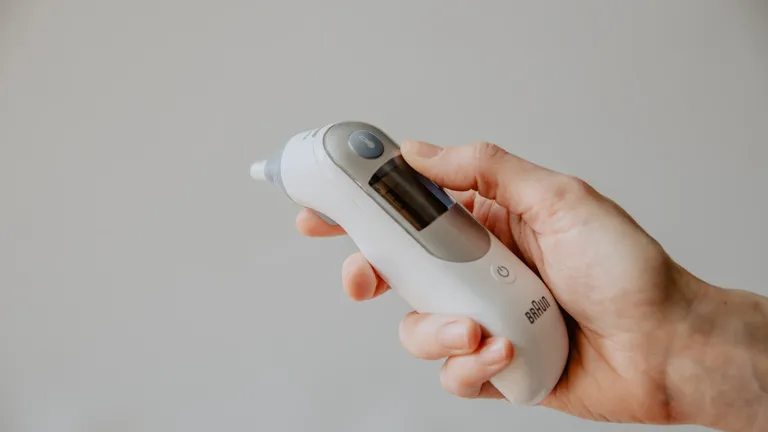
Best Thermometers Australia (2026): Ear, Forehead & Digital
Ear, forehead, or digital? We compare Australia's top thermometers for families — accuracy, fever thresholds, and top picks by age group.
Allergy & hayfever13 min read
Hydrocortisone Cream Australia: Uses, Safety & Best Brands
Hydrocortisone cream may help relieve itching and inflammation from mild eczema, bites and rashes. Compare Sigmacort, DermAid and generic options in Australia.