Condition guide
Rash
Unexplained rash causing concern or discomfort? Identify common rashes and find appropriate treatment or know when to seek help.
Find the right medicineTreatment and relief options
- Antihistamines for allergic rashes
- Hydrocortisone cream (0.5% Pharmacy Medicine or 1% Pharmacist Only) for a small patch of non-infected rash, short term; follow the pack and ask a pharmacist or GP before using it on the face or a child
- Moisturiser for dry skin rashes
- Avoid irritants and allergens
- Cool compresses for relief
When to get help
- Rash with difficulty breathing, wheezing, or swelling of the tongue or throat: call Triple Zero (000)
- Red or purple spots or bruise-like marks that don't fade when pressed (glass test), especially with fever, headache or stiff neck: call Triple Zero (000)
- Rash with high fever
- Blistering or peeling skin
- Rapidly spreading rash
Good to know
Not sure what kind of rash it is?
Start here for a rash you cannot yet explain. Causes include infections, allergic reactions, immune conditions and medicines; in children, most are viral. If the rash is raised, itchy welts or appeared after touching a new product, see allergic rash. If you are itchy but can see little on the skin, see itchy skin. A medicine allergy rash can appear within 2 weeks of starting a new medicine, so note any recent changes. See a doctor if a rash is not getting better, is spreading or is getting worse.
How to do the glass test
Press the side of a clear drinking glass, or a finger, against the spots. A meningococcal rash of red or purple pinprick spots, or larger bruise-like areas, does not turn skin-coloured under pressure. If spots do not fade and the person has a fever, headache, stiff neck or back pain, call Triple Zero (000) and ask for an ambulance. Don't wait for spots: the rash can be a late sign, and suspected meningococcal disease always needs an emergency department. A rash with difficulty breathing, wheezing, swelling of the tongue or throat, dizziness or collapse also needs 000. For non-urgent advice, call healthdirect on 1800 022 222, 24 hours a day.
Sources: healthdirect — Rashes; healthdirect — Meningococcal disease
Frequently asked questions
Allergies, infections (viral/bacterial), eczema, heat, or irritants. Many rashes are harmless but some need medical attention.
Related conditions
Best of & comparisons

Allergy & hayfever8 min read
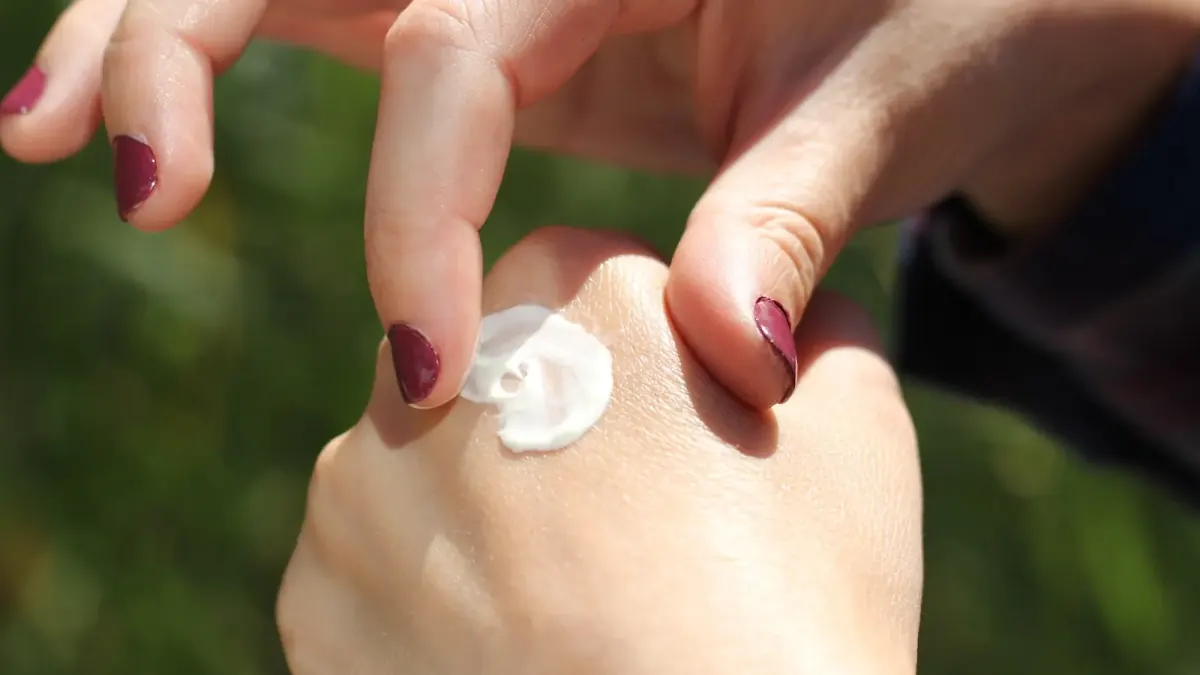
Antihistamines in Australia: Zyrtec, Telfast and Claratyne Compared
Compare antihistamine ingredients, drowsiness cautions and product labels, without a universal winner for hay fever or hives.
Skin, wound & sun care8 min read
Best Eczema Cream in Australia: How to Choose
Compare eczema creams sold in Australia: daily moisturisers, over-the-counter hydrocortisone for flares and bath oils — plus how to choose the right one.

Family health8 min read
Best Nappy Rash Cream in Australia: Types Compared
Compare nappy rash creams by ingredient — zinc oxide, panthenol and petrolatum barriers — plus how to prevent rash and spot when it's thrush.
Advice & guides
Skin, wound & sun care15 min read
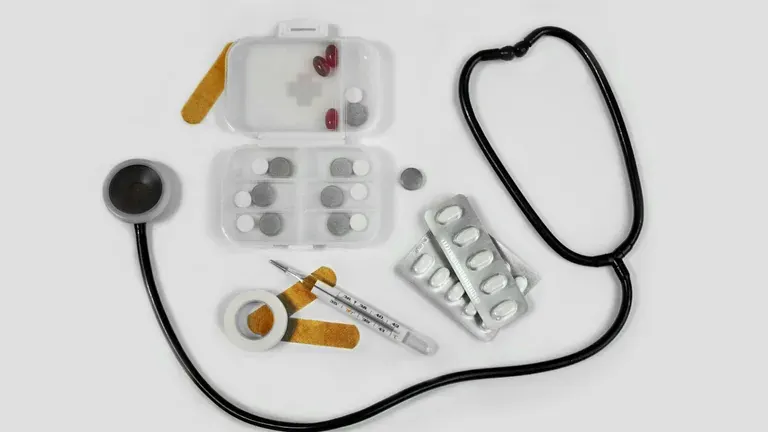
First Aid Kit Essentials for Australia (2026 Guide)
Everything your Australian home, car, or outdoor kit needs — from St John and Trafalgar picks to AU-specific extras like compression bandages and burn gel.
Allergy & hayfever13 min read
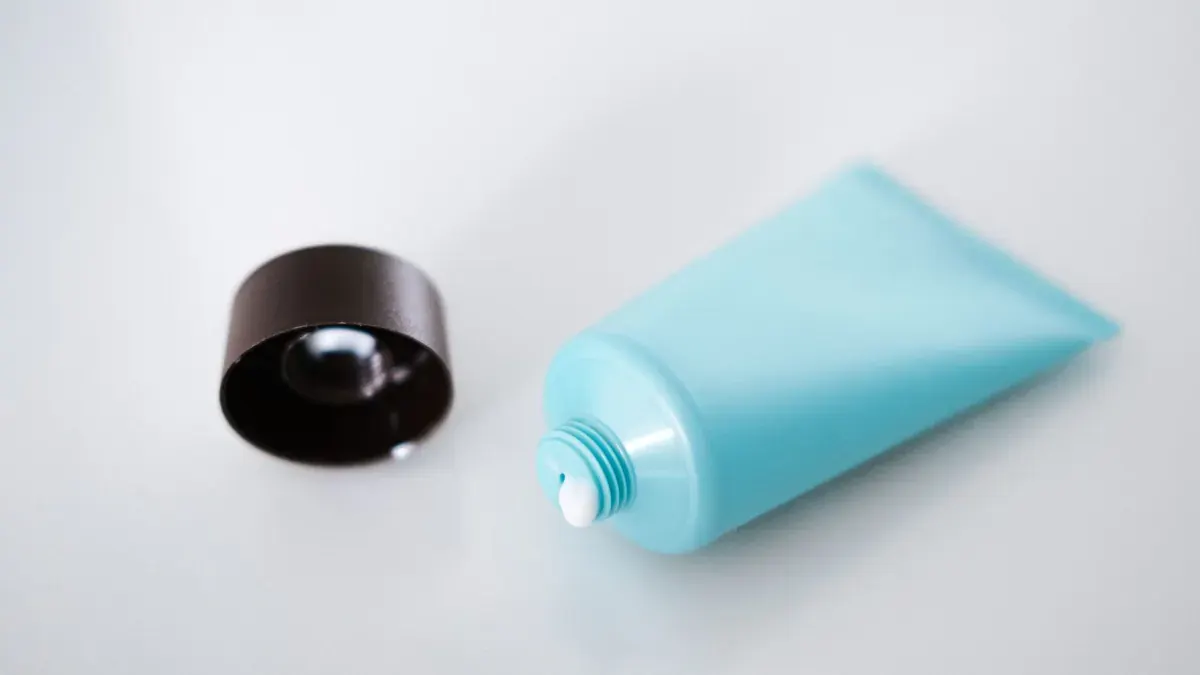
Hydrocortisone Cream Australia: Uses, Safety & Best Brands
Hydrocortisone cream may help relieve itching and inflammation from mild eczema, bites and rashes. Compare Sigmacort, DermAid and pharmacy-brand options in Australia.
Skin, wound & sun care9 min read
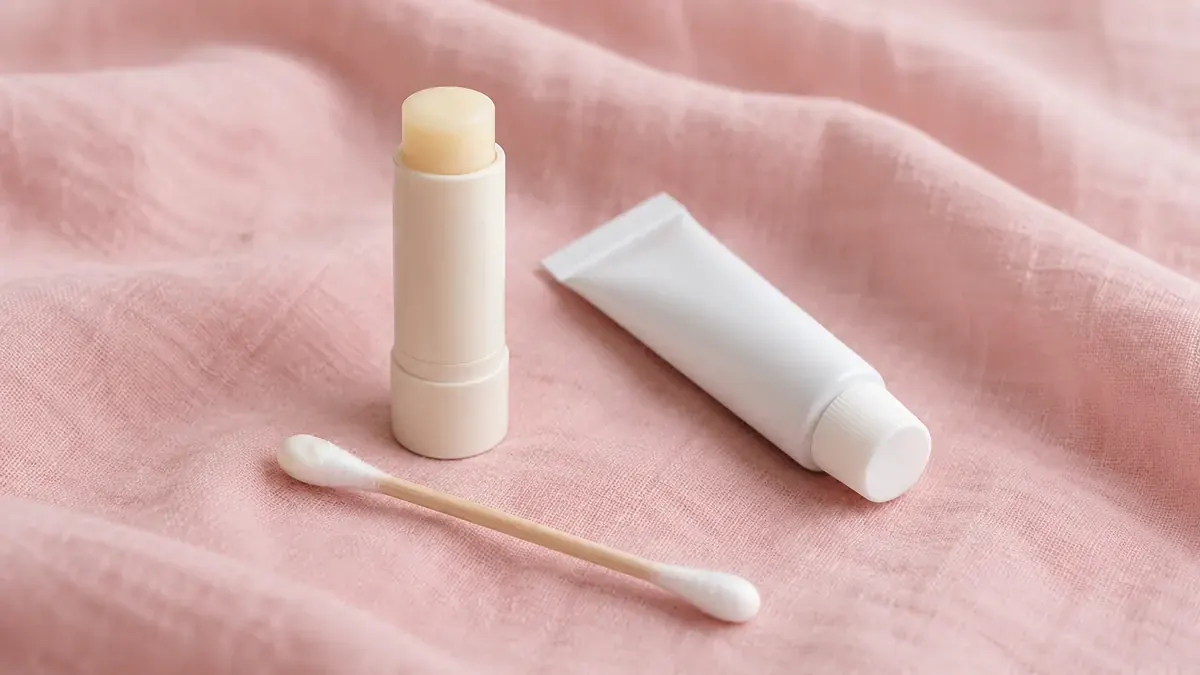
Cold Sore Treatment in Australia: What Actually Works at the Pharmacy
A complete Australian guide to cold sore treatment — the stages, the antiviral creams and tablets you can buy without a script, when to start, and what to skip.
Skin, wound & sun care11 min read
Wart Removal Australia: OTC Options That May Help (2026 Guide)
A plain-English guide to wart removal in Australia — how salicylic acid paints, freeze kits and duct tape may help, which method suits common, plantar and facial warts, and when to see a GP.
Skin, wound & sun care9 min read
Skin Tag Removal Australia: OTC Options, Safety & When to See a GP
Your guide to skin tag removal in Australia — how OTC freeze kits, ligation bands and creams may help, what is unsafe to do at home, costs, and red flags.
Skin, wound & sun care9 min read
Ringworm (Tinea) Treatment in Australia: Best Antifungal Creams & How to Use Them
How to treat ringworm and tinea in Australia: which OTC antifungal cream to choose, how long to keep using it, hygiene to stop the spread, and when to see a GP.
Family health9 min read
Head Lice Treatment in Australia: A Parent's Nit Action Plan
Found nits? Here's the Australian parent's action plan for head lice — how to check, which treatment to choose, why you repeat on day 7, and what's a myth.
Skin, wound & sun care4 min read
Insect Bites & Stings: Treatment & Prevention Guide (Australia)
How to treat and prevent everyday mosquito, sandfly and ant bites in Australia — repellents that work, itch relief options, and infection warning signs.
Skin, wound & sun care8 min read
Spider & Snake Bite First Aid: What to Do (Australia)
Redback, funnel-web and snake bite first aid for Australia: the pressure-immobilisation technique, what never to do, and when to call 000.
Skin, wound & sun care8 min read
Bee & Wasp Sting Treatment and First Aid (Australia)
Bee, wasp and ant sting first aid for Australia: removing a bee sting, treating pain and swelling, spotting anaphylaxis, and when to call 000.

Skin, wound & sun care8 min read
Tick Bites: How to Safely Remove a Tick (Australia)
How to safely remove a tick in Australia, why freezing beats tweezers, tick allergy warning signs, and how to prevent bites in bushland.

Skin, wound & sun care9 min read
Burns and Scalds: First Aid Treatment at Home
How to treat a burn or scald at home in Australia — 20 minutes of cool running water, what never to put on a burn, hydrogel dressings, and when to go to the ED.
Allergy & hayfever7 min read
Hives Treatment in Australia: What Helps
Relieve hives with non-drowsy antihistamines, cool compresses and trigger avoidance — plus the swelling and breathing signs that mean call 000 now.
Skin, wound & sun care7 min read
Psoriasis Treatment in Australia: What Helps
Manage mild plaque psoriasis at home with heavy moisturisers, coal tar and salicylic acid — plus the red flags that mean it is time to see a GP.
Family health7 min read
Cradle Cap Treatment: A Guide for Parents
Soften cradle cap gently with oil and a soft brush, shampoo regularly, and know the red flags — a calm, evidence-based guide for Australian parents.
Medical disclaimer
This information is general in nature and isn’t a substitute for professional medical advice. Always read the label and follow the directions for use. Talk to your pharmacist or doctor about what’s right for you.