Guide
Insect Bites & Stings: Treatment & Prevention Guide (Australia)
How to treat and prevent everyday mosquito, sandfly and ant bites in Australia — repellents that work, itch relief options, and infection warning signs.
Key takeaways
- Most everyday Australian mosquito, sandfly and ant bites are itchy but harmless, and settle at home with a cold pack, an anti-itch cream and time. Prevent them with a DEET or picaridin repellent, and watch for signs of infection or a severe allergic reaction, which needs a call to 000.
Call 000 immediately if you notice any of these Any bite or sting — even an ordinary mosquito bite — can trigger a severe allergic reaction (anaphylaxis) in some people. Call Triple Zero (000) straight away if you notice:
- Difficulty breathing, noisy breathing, wheezing or a tight throat
- Swelling of the tongue, throat, lips or face
- A persistent cough, hoarse voice or trouble talking or swallowing
- Widespread hives, dizziness, collapse or the person becoming pale and floppy (especially in young children)
- Abdominal pain, vomiting or diarrhoea after a bee, wasp or ant sting — with an insect-sting allergy these gut symptoms can signal anaphylaxis on their own, even without breathing or skin signs
Quick answer For an ordinary Australian mosquito, sandfly, midge or ant bite, keep it simple: wash the area, apply a cold pack to settle swelling, then calm the itch with an aluminium sulphate spray (Stingose) or a hydrocortisone 1% cream. Better still, head bites off at the pass with a repellent containing DEET or picaridin and by covering up around dawn and dusk. If several days pass and a bite looks increasingly red, hot or swollen, that may be infection rather than a normal reaction. And at any point, if there are signs of a severe allergic reaction, call 000.
Preventing Bites: Repellents That Actually Work
Prevention is far easier than treatment, and in Australia it also lowers your risk of mosquito-borne illnesses such as Ross River virus and Barmah Forest virus. The two repellent ingredients with the strongest evidence are DEET and picaridin. Check the active ingredient on the label rather than choosing on brand name alone.
- DEET (diethyltoluamide): The most studied insect repellent in the world. Concentrations of around 10–20% give several hours of protection for everyday use; higher strengths last longer but do not repel more insects. Effective against mosquitoes, ticks, sandflies and midges.
- Picaridin: Works about as well as DEET at similar concentrations, is less greasy, has less odour and is kinder to plastics and synthetic fabrics. A good choice if you dislike the feel of DEET.
- Apply repellent to all exposed skin, not just a dab, since patchy application leaves gaps that mosquitoes find. Reapply after swimming or heavy sweating.
- Cover up at dawn and dusk when mosquitoes are most active: long, loose, light-coloured sleeves and trousers. Insect screens and knock-down sprays help indoors.
- Botanical repellents (such as oil of lemon eucalyptus) can offer shorter-lived protection, but plain citronella candles and wristbands are not reliable.
Repellents and children Repellent directions differ by product and by a child's age, and some are not recommended for babies. Always read the label for the minimum age and how often you can reapply, and ask your pharmacist if you are unsure. For young infants, physical barriers such as mosquito nets over prams are often preferred to skin-applied repellents.
Treating the Itch and Swelling
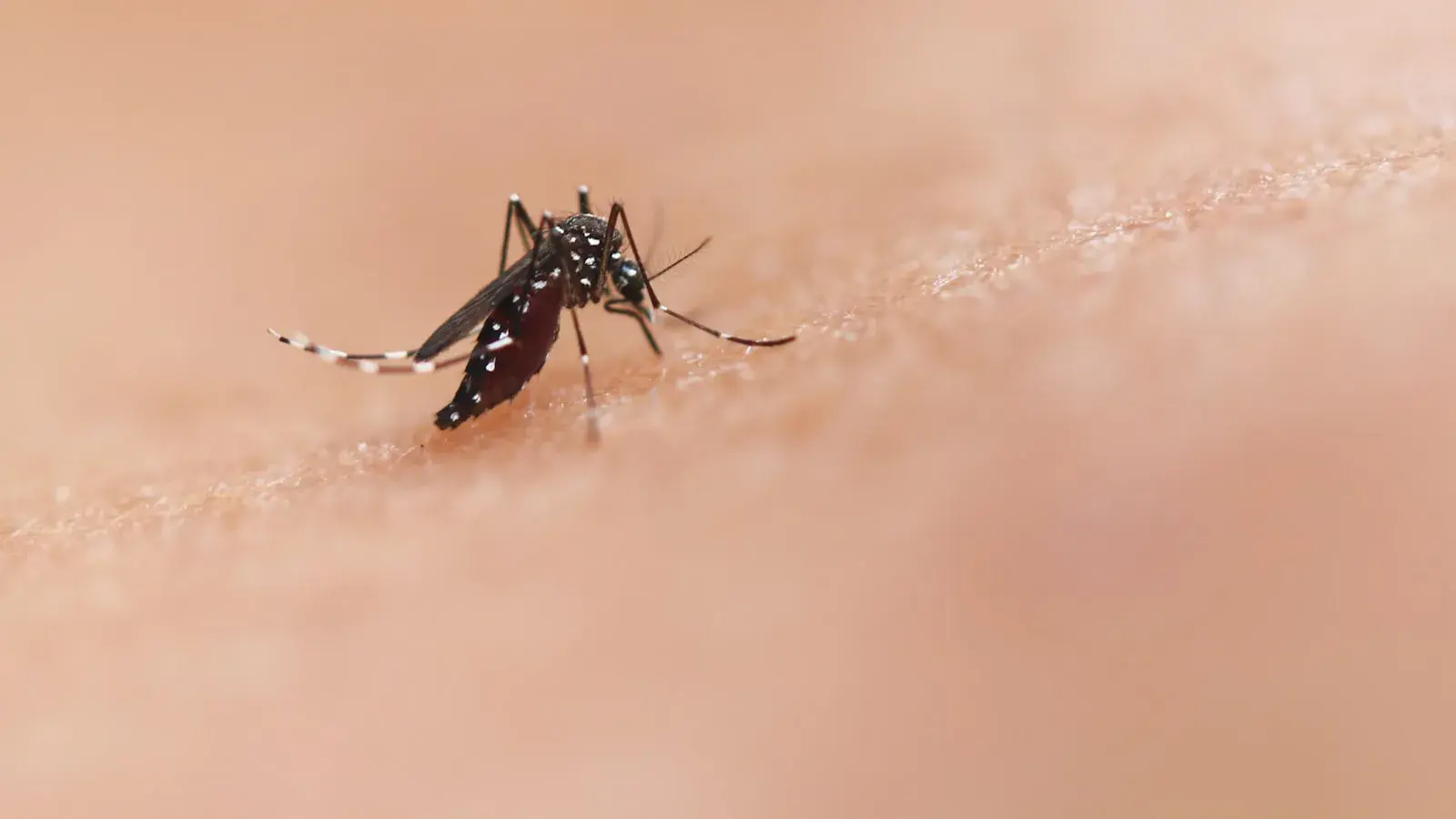
Mosquito, sandfly, midge and ant bites cause itching and a small raised lump because your immune system reacts to the insect's saliva. This is uncomfortable but usually settles on its own within a few days. The goal of treatment is to relieve the itch and reduce the urge to scratch, because scratching can break the skin and lead to infection.
| Option | How it helps | Good to know |
|---|---|---|
Cold pack / cool cloth | Numbs the area and reduces swelling and itch | Wrap ice in a cloth; apply for 10–15 minutes. Free and effective as a first step. |
Aluminium sulphate spray (Stingose) | May relieve itch and irritation from bites and stings | Handy to spray on soon after a bite; suitable for on-the-go use. |
Hydrocortisone cream (DermAid, Sigmacort) | A mild steroid cream that reduces itch and inflammation | The 1% strength is pharmacist-only, so ask at the counter; a 0.5% version sits on the shelf. Short-term use on intact skin, not the face or broken skin without advice, and check age limits. |
Antihistamine cream or oral antihistamine | May ease itching, particularly with several bites | Ask your pharmacist which oral antihistamine suits you; some cause drowsiness. |
Antiseptic (Betadine) | Helps keep a scratched or broken bite clean | Use if the skin is broken to lower the risk of infection. |
Stingose Spray (Aluminium Sulphate)
Australian-made spray for relief of pain and itch from insect bites and stings including mosquitoes, bees, wasps, and sandflies.
Where to buy · Stingose Spray (Aluminium Sulphate)
Amazon AustraliaView
We may earn a commission from these links. It never affects our rankings.
Sigmacort Hydrocortisone 1% Cream 30g
Australia's most popular OTC hydrocortisone cream. Mild topical corticosteroid for eczema, dermatitis, insect bites, and allergic rashes. TGA-listed.
Where to buy · Sigmacort Hydrocortisone 1% Cream 30gindicative pricing
Chemist Warehouse$7.99View
We may earn a commission from these links. It never affects our rankings.
Betadine Antiseptic Liquid (Povidone-Iodine)
Broad-spectrum antiseptic for the treatment of minor cuts, wounds, and skin infections. Contains povidone-iodine 10%. TGA listed.
Where to buy · Betadine Antiseptic Liquid (Povidone-Iodine)
Amazon AustraliaView
We may earn a commission from these links. It never affects our rankings.
Watch for infection See your GP if a bite becomes increasingly red, hot, swollen or painful over a day or two, starts weeping pus, or if you develop a fever or spreading redness. These can be signs of a skin infection (cellulitis) that may need antibiotics.
Sandfly and Midge Bites
Sandflies (biting midges) are a particular nuisance in coastal and northern parts of Australia, especially around dawn and dusk near mangroves, estuaries and wetlands. Their bites are tiny but can be intensely itchy and often last longer than mosquito bites, sometimes for a week or more. Because the itch is so persistent, people tend to scratch, which raises the risk of infection.
Treatment is the same as for mosquito bites: resist scratching, use a cold pack, and apply an anti-itch product such as an aluminium sulphate spray or hydrocortisone 1% cream. A DEET or picaridin repellent helps, but sandflies are small enough to pass through standard mosquito screens, so fine mesh and covering up matter in known sandfly areas.
Stings, Ticks, Spiders and Snakes: Where to Go Next
Not every bite is a simple itchy nuisance. Bee and wasp stings, ticks, and spider or snake bites each need their own first aid approach, so we've covered them in dedicated guides. The one-line version of each, so you know where to head:
- Bee or wasp sting: scrape the sting out sideways (bees only) and apply a cold pack. See our bee and wasp sting treatment guide for full first aid steps.
- Tick bite: do not squeeze, scratch or pull it out — freeze it in place and let it drop off. See our guide to safe tick removal in Australia.
- Snake bite or suspected funnel-web spider bite: call 000 immediately and apply pressure-immobilisation bandaging. See our spider and snake bite first aid guide.
- Redback spider bite: apply a cold pack (not pressure-immobilisation) and seek urgent medical care. Full detail is in the same spider and snake bite guide.
Frequently Asked Questions
How do you stop a mosquito bite itching?
Cool it first: a cold pack or cool cloth takes the edge off the itch. Then reach for an aluminium sulphate spray (Stingose) or a hydrocortisone 1% cream, and add an oral antihistamine if several bites are bothering you at once. The one rule that really matters is not to scratch, because broken skin can become infected. Most bites fade within a few days.
Which insect repellent works best in Australia?
The two ingredients with the strongest evidence are DEET and picaridin. Both are widely available in Australian pharmacies and supermarkets under various brands. A concentration of around 10–20% suits everyday use; higher strengths last longer rather than working better. Apply to all exposed skin and reapply after swimming or heavy sweating. Check the label for the minimum age before using on children.
How do I know if a bite has become infected?
A normal bite is itchy and mildly swollen and improves over a few days. Signs of infection include redness that spreads or deepens, increasing warmth, pain or swelling after the first day or two, pus or weeping, and sometimes a fever. If you notice these, see your GP, as an infected bite (cellulitis) may need antibiotics.
When should I see a doctor or call 000 for a bite?
Call 000 immediately for any signs of a severe allergic reaction: trouble breathing, swelling of the face, tongue or throat, widespread hives, dizziness or collapse. See a doctor promptly for a bite that looks infected, or a bite near the eye. If you're dealing with a bee or wasp sting, a tick, or a suspected spider or snake bite, see our dedicated first aid guides for those. When in doubt, it is always safer to seek advice.
Disclaimer This article is for informational purposes only and does not constitute medical advice. Always read the label and follow the directions for use. If symptoms persist, talk to your health professional. See your pharmacist or GP for advice tailored to your situation.
The verdict
For everyday Australian mosquito, sandfly and ant bites, a cold pack plus an anti-itch product such as an aluminium sulphate spray or hydrocortisone 1% cream will manage most symptoms, while a DEET or picaridin repellent is your best prevention. Watch for infection if a bite worsens over a day or two, and know the emergency signs cold: any sign of a severe allergic reaction means calling 000 without delay. For bee and wasp stings, ticks, or spider and snake bites, see our dedicated first aid guides.
Related health topics
Medical disclaimer
This information is general in nature and isn’t a substitute for professional medical advice. Always read the label and follow the directions for use. Talk to your pharmacist or doctor about what’s right for you.
More Skin, wound & sun care guides
Skin, wound & sun care8 min read
Spider & Snake Bite First Aid: What to Do (Australia)
Redback, funnel-web and snake bite first aid for Australia: the pressure-immobilisation technique, what never to do, and when to call 000.
Skin, wound & sun care8 min read
Bee & Wasp Sting Treatment and First Aid (Australia)
Bee, wasp and ant sting first aid for Australia: removing a bee sting, treating pain and swelling, spotting anaphylaxis, and when to call 000.

Skin, wound & sun care8 min read
Tick Bites: How to Safely Remove a Tick (Australia)
How to safely remove a tick in Australia, why freezing beats tweezers, tick allergy warning signs, and how to prevent bites in bushland.