Condition guide
Itchy Skin
Persistent itching driving you crazy? Find relief from itchy skin with the right treatments for your specific cause.
Find the right medicineTreatment and relief options
- Antihistamines (cetirizine, loratadine) for allergic itch
- Moisturising creams to prevent dry skin
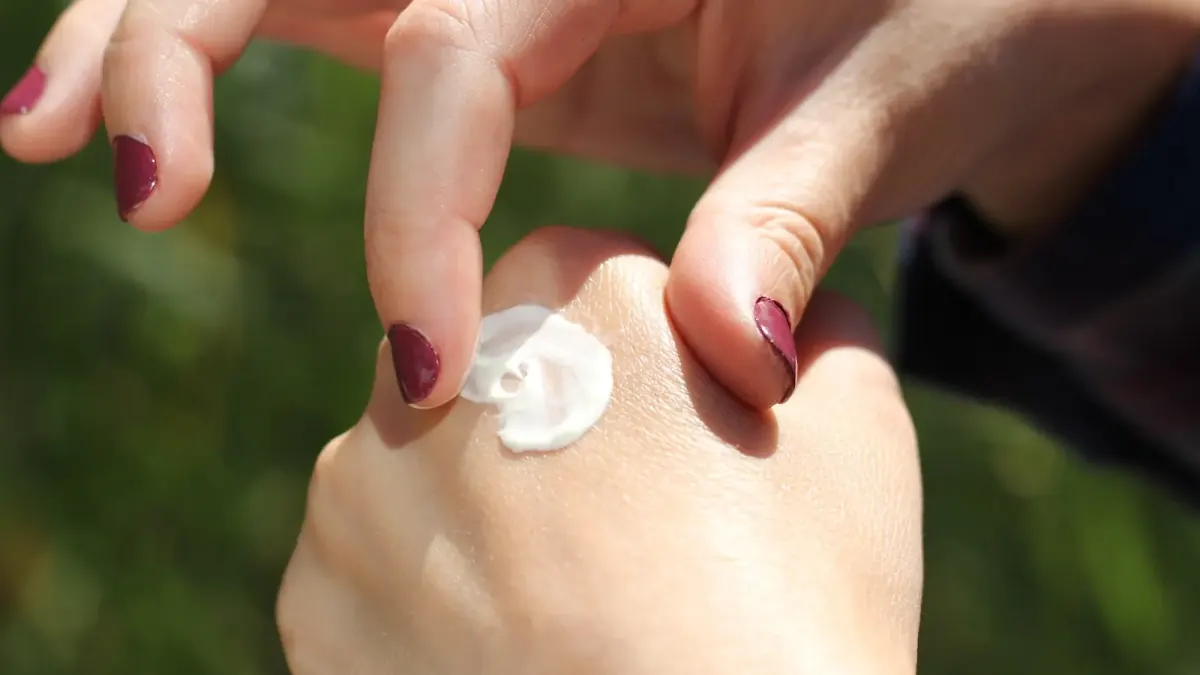
- Hydrocortisone cream (0.5% Pharmacy Medicine or 1% Pharmacist Only) for a small itchy patch of non-infected skin, short term; follow the pack and ask a pharmacist or GP before using it on the face or a child
- Cool compresses for immediate relief
- Avoid hot showers, harsh soaps, and scratching
When to get help
- Itching with a swollen tongue or difficulty breathing: call Triple Zero (000)
- Itching with jaundice (yellow skin/eyes)
- Widespread rash with fever
- Itching that prevents sleep for multiple nights
- No improvement after 2 weeks of treatment
Good to know
Itch without an obvious rash
This page is about the itch itself. If you can see welts, blisters or a patch, start with rash or allergic rash; if your skin is mostly rough and flaky, see dry skin. healthdirect advises seeing a doctor if you are very itchy and there is no rash. Itch over the whole body is often allergic, but it can also come from kidney or liver disease, an overactive or underactive thyroid, a blood disorder, or some medicines, recreational drugs and herbal supplements. Take a list of everything you use, including over-the-counter and herbal products. Severe itching during pregnancy, especially all-over itch that includes the palms and soles, also needs a doctor's check.
Breaking the itch–scratch cycle
Scratching makes skin itchier, so the cycle repeats, and broken skin can become infected or left with dark or pale marks. Keep nails short, wear loose cotton rather than wool, and swap soap or shower gel for a soap-free wash. A cool shower can give short-term relief; pat dry instead of rubbing, then moisturise while the skin is still damp. If the itch keeps you awake or keeps coming back, see your GP, or call healthdirect on 1800 022 222 at any hour.
Frequently asked questions
Dry skin, eczema, allergies, insect bites, or skin conditions. Persistent itching needs evaluation.
Related conditions
Best of & comparisons

Allergy & hayfever8 min read
Antihistamines in Australia: Zyrtec, Telfast and Claratyne Compared
Compare antihistamine ingredients, drowsiness cautions and product labels, without a universal winner for hay fever or hives.
Skin, wound & sun care8 min read
Best Eczema Cream in Australia: How to Choose
Compare eczema creams sold in Australia: daily moisturisers, over-the-counter hydrocortisone for flares and bath oils — plus how to choose the right one.

Family health8 min read
Best Nappy Rash Cream in Australia: Types Compared
Compare nappy rash creams by ingredient — zinc oxide, panthenol and petrolatum barriers — plus how to prevent rash and spot when it's thrush.

Skin, wound & sun care7 min read
Best Dandruff Shampoo & Treatment in Australia
Compare medicated dandruff shampoo actives — ketoconazole, selenium sulfide, zinc pyrithione, coal tar and salicylic acid — and find what suits you.
Advice & guides
Skin, wound & sun care15 min read
First Aid Kit Essentials for Australia (2026 Guide)
Everything your Australian home, car, or outdoor kit needs — from St John and Trafalgar picks to AU-specific extras like compression bandages and burn gel.
Allergy & hayfever13 min read
Hydrocortisone Cream Australia: Uses, Safety & Best Brands
Hydrocortisone cream may help relieve itching and inflammation from mild eczema, bites and rashes. Compare Sigmacort, DermAid and pharmacy-brand options in Australia.
Skin, wound & sun care9 min read
Cold Sore Treatment in Australia: What Actually Works at the Pharmacy
A complete Australian guide to cold sore treatment — the stages, the antiviral creams and tablets you can buy without a script, when to start, and what to skip.
Skin, wound & sun care11 min read
Wart Removal Australia: OTC Options That May Help (2026 Guide)
A plain-English guide to wart removal in Australia — how salicylic acid paints, freeze kits and duct tape may help, which method suits common, plantar and facial warts, and when to see a GP.
Skin, wound & sun care9 min read
Skin Tag Removal Australia: OTC Options, Safety & When to See a GP
Your guide to skin tag removal in Australia — how OTC freeze kits, ligation bands and creams may help, what is unsafe to do at home, costs, and red flags.
Skin, wound & sun care9 min read
Ringworm (Tinea) Treatment in Australia: Best Antifungal Creams & How to Use Them
How to treat ringworm and tinea in Australia: which OTC antifungal cream to choose, how long to keep using it, hygiene to stop the spread, and when to see a GP.
Family health9 min read
Head Lice Treatment in Australia: A Parent's Nit Action Plan
Found nits? Here's the Australian parent's action plan for head lice — how to check, which treatment to choose, why you repeat on day 7, and what's a myth.
Skin, wound & sun care4 min read
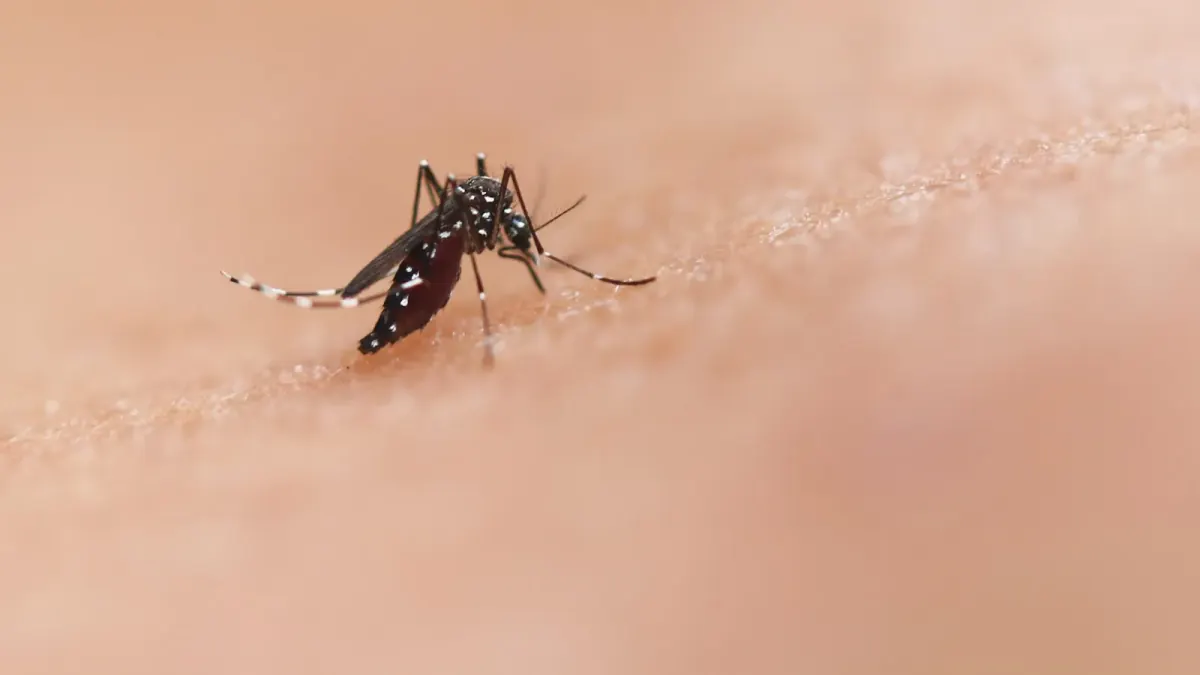
Insect Bites & Stings: Treatment & Prevention Guide (Australia)
How to treat and prevent everyday mosquito, sandfly and ant bites in Australia — repellents that work, itch relief options, and infection warning signs.

Skin, wound & sun care8 min read
Spider & Snake Bite First Aid: What to Do (Australia)
Redback, funnel-web and snake bite first aid for Australia: the pressure-immobilisation technique, what never to do, and when to call 000.

Skin, wound & sun care8 min read
Bee & Wasp Sting Treatment and First Aid (Australia)
Bee, wasp and ant sting first aid for Australia: removing a bee sting, treating pain and swelling, spotting anaphylaxis, and when to call 000.

Skin, wound & sun care8 min read
Tick Bites: How to Safely Remove a Tick (Australia)
How to safely remove a tick in Australia, why freezing beats tweezers, tick allergy warning signs, and how to prevent bites in bushland.

Skin, wound & sun care9 min read
Burns and Scalds: First Aid Treatment at Home
How to treat a burn or scald at home in Australia — 20 minutes of cool running water, what never to put on a burn, hydrogel dressings, and when to go to the ED.
Allergy & hayfever7 min read
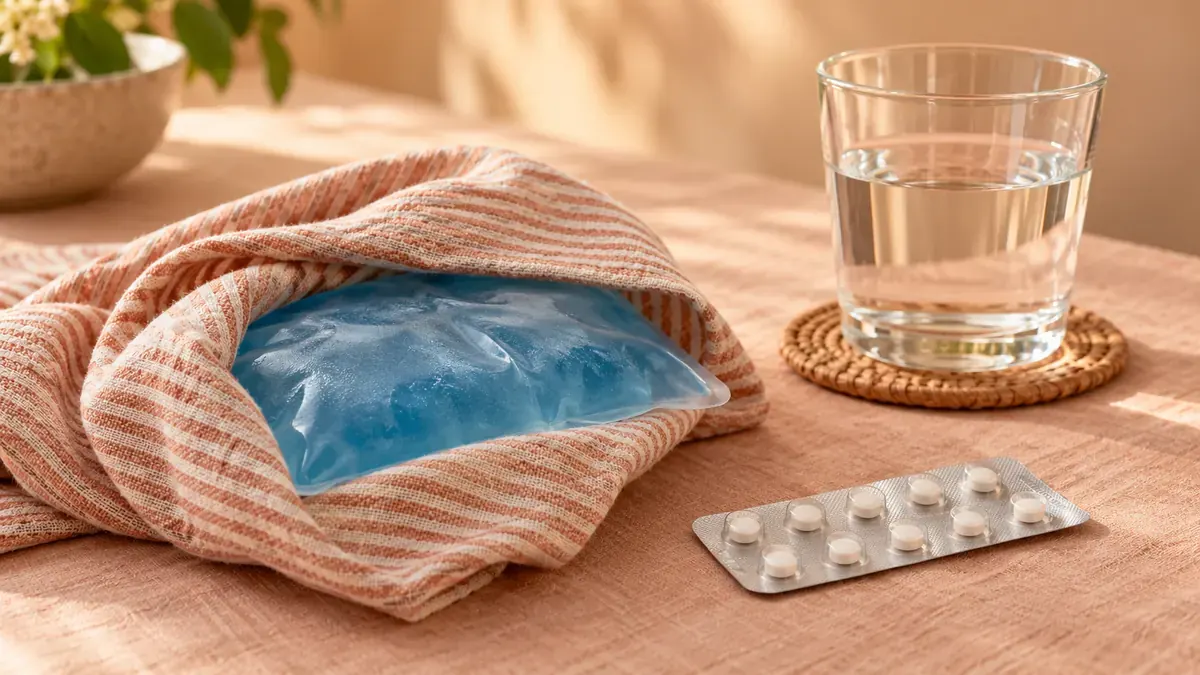
Hives Treatment in Australia: What Helps
Relieve hives with non-drowsy antihistamines, cool compresses and trigger avoidance — plus the swelling and breathing signs that mean call 000 now.
Skin, wound & sun care7 min read
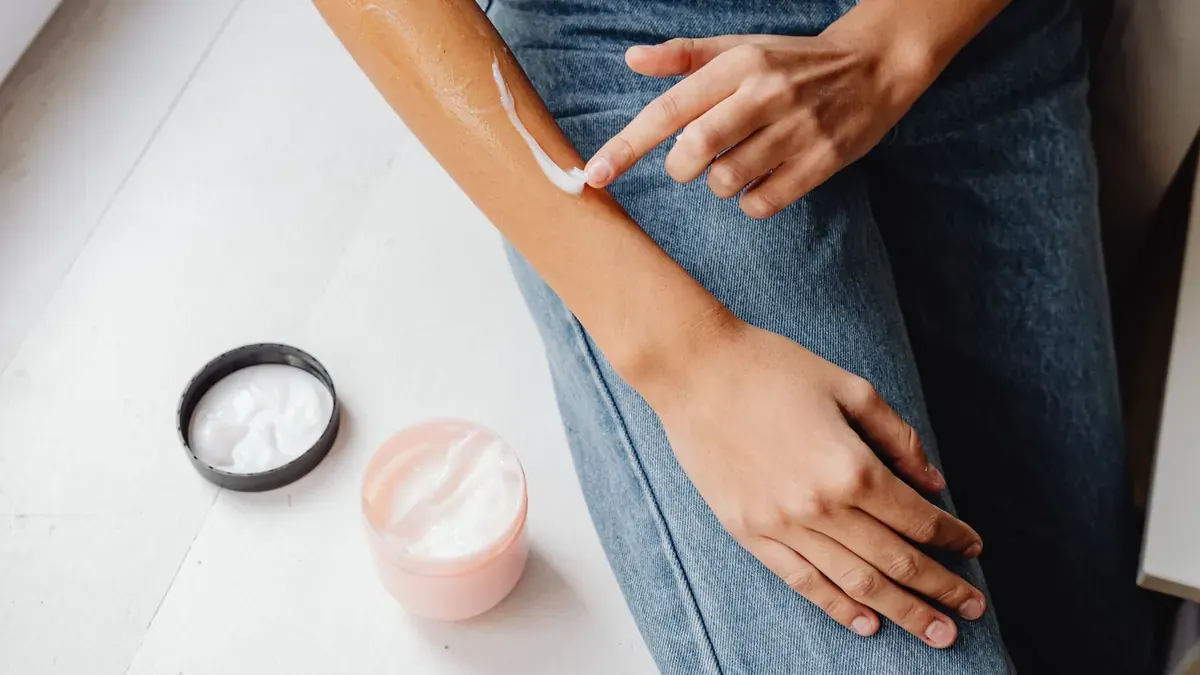
Psoriasis Treatment in Australia: What Helps
Manage mild plaque psoriasis at home with heavy moisturisers, coal tar and salicylic acid — plus the red flags that mean it is time to see a GP.

Family health7 min read
Cradle Cap Treatment: A Guide for Parents
Soften cradle cap gently with oil and a soft brush, shampoo regularly, and know the red flags — a calm, evidence-based guide for Australian parents.

Skin, wound & sun care7 min read
Sunburn Treatment in Australia: Relief & Care
Cool the burn, rehydrate and ease the sting fast. Our Australian guide covers sunburn relief, soothing options, what to avoid and when to see a doctor.
Skin, wound & sun care8 min read
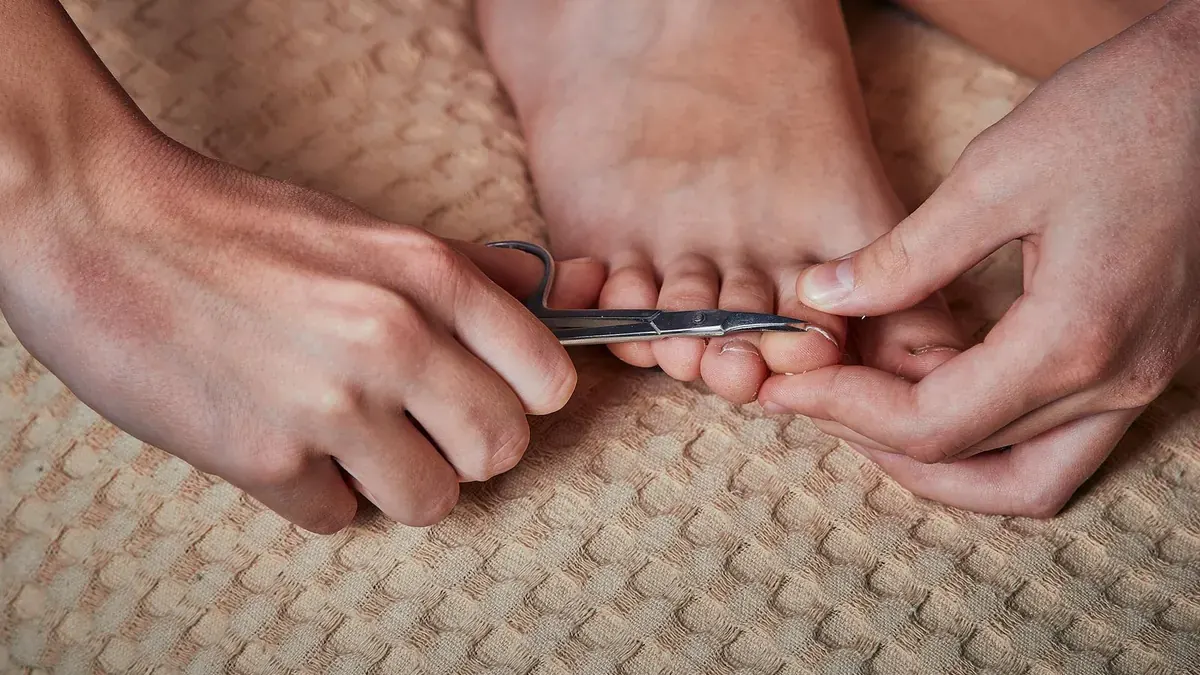
Fungal Nail Treatment in Australia: What Works
Compare over-the-counter fungal nail treatments in Australia, learn what actually helps mild cases, and know when to see a GP or podiatrist.
Medical disclaimer
This information is general in nature and isn’t a substitute for professional medical advice. Always read the label and follow the directions for use. Talk to your pharmacist or doctor about what’s right for you.