Guide
Bee & Wasp Sting Treatment and First Aid (Australia)
Bee, wasp and ant sting first aid for Australia: removing a bee sting, treating pain and swelling, spotting anaphylaxis, and when to call 000.
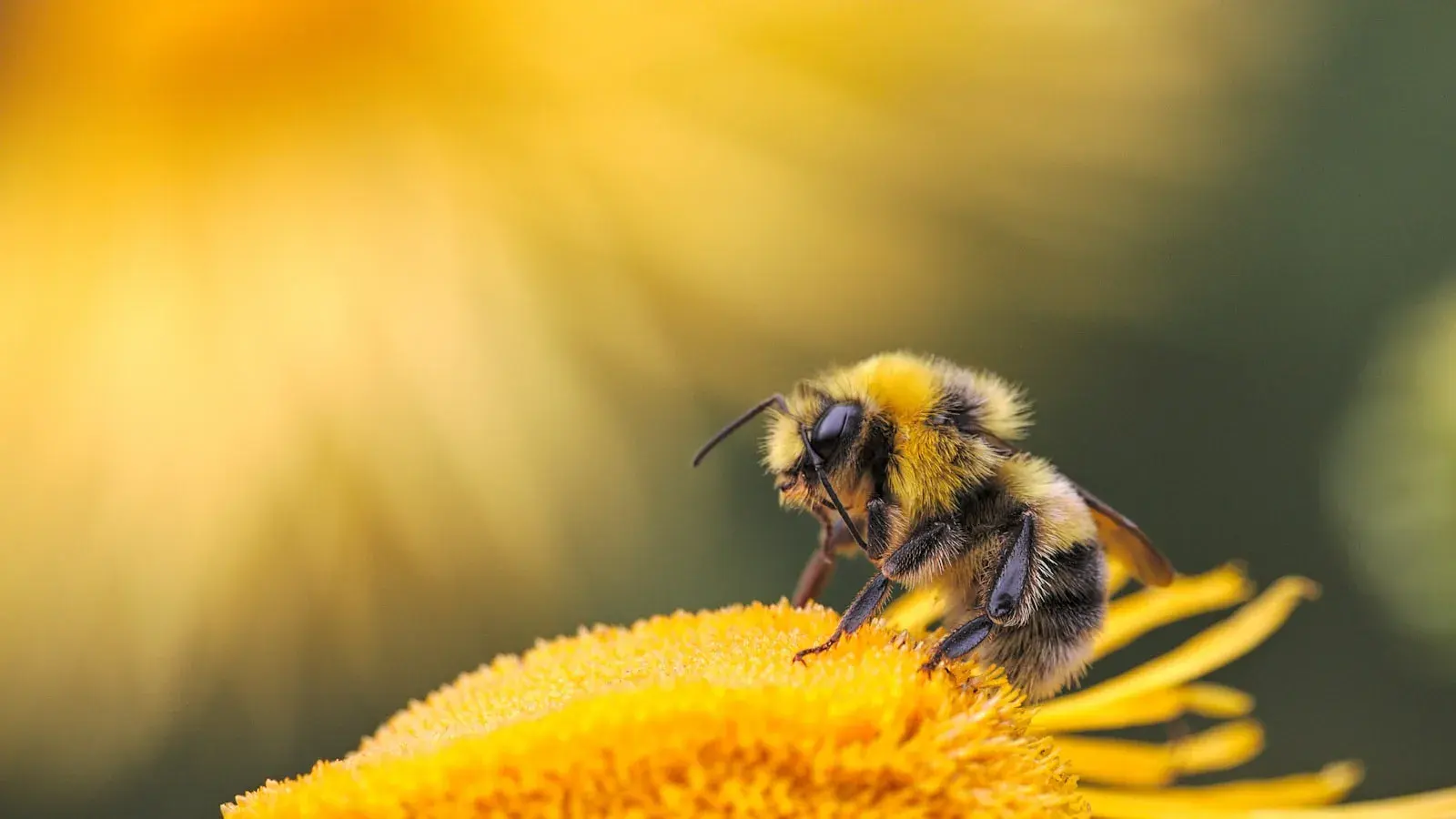
Key takeaways
- Most bee, wasp and ant stings cause pain, redness and swelling that settle within a few hours to a couple of days and can be managed with a cold pack, an anti-itch spray and simple pain relief. The critical exception is anaphylaxis, a severe whole-body allergic reaction that can develop within minutes — know the warning signs, and call 000 immediately if they appear.
Call 000 immediately if you notice any of these A small number of people react to bee, wasp or ant venom with a severe, whole-body allergic reaction called anaphylaxis. It can develop within minutes of a sting and is a medical emergency. Call Triple Zero (000) straight away if any of these appear after a sting:
- Difficulty breathing, noisy or wheezy breathing, or a tight throat
- Swelling of the tongue, throat, lips or face
- A persistent cough, hoarse voice, or trouble talking or swallowing
- Widespread hives or itching over the whole body
- Dizziness, collapse, or the person becoming pale and floppy (especially young children)
- Abdominal pain, vomiting or diarrhoea after a sting — with an insect-sting allergy these gut symptoms can be a sign of anaphylaxis on their own, even without any breathing or skin signs
Quick answer For a honey bee, scrape the sting out sideways with a fingernail or card as fast as you can — don't pinch it, that squeezes in more venom. Wasps and ants don't leave a sting behind and can sting repeatedly, so move away first. Then wash the area, apply a cold pack for 10–15 minutes, and use an aluminium sulphate spray (Stingose), a hydrocortisone 1% cream, or a simple pain reliever for the local pain and swelling. Watch the person for at least 30 minutes. If you carry an adrenaline auto-injector (EpiPen or Anapen), use it at the first sign of anaphylaxis and call 000 straight away — don't wait to see if it settles.
Honey Bee Stings: Get the Sting Out Fast
A honey bee's sting is barbed, so when it stings you it usually can't pull the sting back out — the sting and venom sac tear away and stay lodged in your skin as the bee flies off. That venom sac keeps pumping venom into you for as long as it's attached, so speed matters more than technique. Scrape the sting out sideways with a fingernail, the edge of a credit card, or a blunt knife as soon as you notice it. Don't grab it with tweezers or your fingers and pinch it out — squeezing the venom sac forces more venom into the skin and can make the local reaction worse.
- Scrape, don't pinch: slide a fingernail or card edge across the skin to flick the sting out sideways.
- Every second counts: the venom sac can keep releasing venom for up to a minute or more after the sting, so remove it as fast as you safely can.
- Wash the area with soap and water once the sting is out.
- Apply a cold pack (ice wrapped in a cloth) for 10–15 minutes to reduce pain and swelling.
- A honey bee dies after stinging once, so it won't sting you again — but check for other bees nearby, particularly if you've disturbed a hive or swarm.
Wasp and European Wasp Stings
Wasps, including the introduced European wasp common across south-eastern Australia, don't leave their sting behind. That means there's nothing to scrape out — but it also means a single wasp can sting you multiple times in one encounter, particularly if it's trapped against skin or clothing. If you're stung, move away from the area calmly rather than swatting, since crushing a wasp can release an alarm pheromone that draws others in.
European wasp stings tend to be more painful than a honey bee sting and are notorious for happening around food and drink in late summer and autumn, when wasp colonies are at their largest and workers forage aggressively for protein and sugar. A classic — and genuinely dangerous — scenario is a wasp crawling inside an open soft drink or beer can and being swallowed, stinging the mouth or throat. Always check (or pour into a glass) before drinking from a can outdoors, and keep food covered at barbecues and picnics.
- Wash the sting site and apply a cold pack for 10–15 minutes.
- A wasp can sting more than once, so check the area and move away rather than trying to swat it.
- A sting inside the mouth or throat (from swallowing a wasp, or a sting near the airway) needs urgent medical attention — go to an emergency department, since swelling in this area can affect breathing even without a full allergic reaction.
- European wasp nests are large and aggressively defended; if you find one, don't disturb it yourself — contact a licensed pest controller.
Jack Jumper and Bull Ant Stings
Jack jumper ants (found mainly in Tasmania, Victoria and southern parts of New South Wales and South Australia) and bull ants are a significant, often under-recognised cause of insect sting anaphylaxis in southern Australia — in some studies, jack jumper ant venom allergy rivals bee and wasp venom allergy as a cause of severe reactions in affected regions. Both ants deliver a sharp, immediate sting from the rear of the abdomen rather than a bite, and jack jumper ants are known for aggressively defending their nests, sometimes stinging multiple people at once.
First aid for an ant sting is the same as for a bee or wasp sting: wash, cold pack, and watch for signs of a severe reaction. If you live in a jack jumper ant area and have had a significant reaction to a sting before, talk to your GP about a referral to an allergist — venom immunotherapy is available and effective for jack jumper ant allergy specifically.
Normal Reaction, Large Local Reaction, or Anaphylaxis?
Most stings cause a normal local reaction that looks alarming but is not dangerous. A smaller number of people develop a large local reaction, which is still not a whole-body allergic reaction but can be uncomfortable and last several days. Anaphylaxis is different again — it's a rapid, whole-body reaction that needs adrenaline and emergency care. Use this table as a rough guide, and remember that anaphylaxis usually develops within minutes of the sting, not hours later.
| Reaction type | What it looks like | What to do |
|---|---|---|
Normal local reaction | Pain, redness and swelling limited to the sting site, usually a few centimetres across; settles within hours to a day or two. | Cold pack, anti-itch spray or cream, and simple pain relief. No medical review needed unless it worsens. |
Large local reaction | Swelling that spreads well beyond the sting site (sometimes an entire limb), can last several days, but stays confined to the area around the sting. | Cold pack, oral antihistamine, and elevate the limb. See a GP if swelling is extensive, crosses a joint, or you're unsure it's 'just' local. |
Anaphylaxis | Symptoms away from the sting site: breathing difficulty, throat or facial swelling, widespread hives, dizziness or collapse — usually within minutes. | Adrenaline auto-injector if available, then call 000 immediately. This is a medical emergency, not a wait-and-see situation. |
A large local reaction isn't the same as an allergy It's easy to assume a very swollen arm after a sting means you're 'allergic', but a large local reaction — even one that's dramatic to look at — is not anaphylaxis and does not necessarily predict a severe reaction to a future sting. Still, if a reaction is extensive or you're unsure which category it falls into, it's worth checking with your pharmacist or GP.
Treating the Pain, Swelling and Itch
Once the sting is out (for bees) or you've moved away (for wasps and ants), treatment for an ordinary local reaction is straightforward and mostly about comfort. These options can be used alone or together.
| Option | How it helps | Good to know |
|---|---|---|
Cold pack / cool cloth | Numbs pain and limits swelling | Wrap ice in a cloth; apply for 10–15 minutes at a time. The first and most useful step for any sting. |
Aluminium sulphate spray (Stingose) | May relieve pain and itch at the sting site | Purpose-made for bites and stings; handy to carry for outdoor activities and barbecues in wasp season. |
Hydrocortisone cream (Sigmacort, DermAid) | A mild topical steroid that reduces itch and inflammation as swelling settles | The 1% strength is pharmacist-only; a 0.5% version is available on the shelf. Short-term use on intact skin — ask your pharmacist if unsure. |
Oral antihistamine (Claratyne, Telfast, Zyrtec) | May reduce itch, hives and swelling around the sting | Useful if the area is very itchy or if you've had multiple stings. Some antihistamines cause drowsiness — ask your pharmacist which suits you. |
Paracetamol or ibuprofen (Panadol, Nurofen) | Eases pain from the sting itself | Standard adult and paediatric dosing applies; check the label for age and weight-based dosing in children. |
Stingose Spray (Aluminium Sulphate)
Australian-made spray for relief of pain and itch from insect bites and stings including mosquitoes, bees, wasps, and sandflies.
Where to buy · Stingose Spray (Aluminium Sulphate)
Amazon AustraliaView
We may earn a commission from these links. It never affects our rankings.
Sigmacort Hydrocortisone 1% Cream 30g
Australia's most popular OTC hydrocortisone cream. Mild topical corticosteroid for eczema, dermatitis, insect bites, and allergic rashes. TGA-listed.
Where to buy · Sigmacort Hydrocortisone 1% Cream 30gindicative pricing
Chemist Warehouse$7.99View
We may earn a commission from these links. It never affects our rankings.
Claratyne Hayfever & Allergy Relief
Non-drowsy antihistamine for 24-hour relief from hayfever and allergy symptoms.
Where to buy · Claratyne Hayfever & Allergy Relief
Amazon AustraliaView
We may earn a commission from these links. It never affects our rankings.
Watch for infection A sting site that becomes increasingly red, hot, swollen or painful a day or two after the sting — rather than settling — pus, weeping, or a fever, can mean a skin infection (cellulitis) has set in, particularly if the skin was scratched. See your GP, as this may need antibiotics.
Adrenaline Auto-Injectors and ASCIA Action Plans
If you or your child have a confirmed severe allergy to bee, wasp or ant stings, your GP or allergist may prescribe an adrenaline auto-injector — an EpiPen or Anapen — along with a personalised ASCIA Action Plan for Anaphylaxis that spells out exactly when and how to use it. The plan and device should be carried at all times, kept unexpired, and stored away from extreme heat or cold (never in a car glovebox in summer).
- Use the adrenaline auto-injector at the first signs of anaphylaxis — don't wait to see whether symptoms improve on their own.
- Call 000 immediately after using it, even if the person seems to improve, and say 'anaphylaxis' when you call.
- Lay the person flat with legs raised (or sitting up if breathing is difficult); don't let them stand or walk, as this can worsen anaphylaxis.
- A second dose of adrenaline can be given after 5 minutes if there's no improvement and a second auto-injector is available.
- After anaphylaxis, the person needs to be observed in hospital, as symptoms can return hours later (a biphasic reaction).
Considering venom immunotherapy For people who've had a confirmed severe allergic reaction to bee, wasp or jack jumper ant venom, venom immunotherapy — a course of injections that gradually desensitises the immune system to the specific venom — can substantially reduce the risk and severity of future reactions. It's provided by clinical immunology/allergy specialists, not over the counter. Ask your GP for a referral if you've had a significant sting reaction.
Preventing Stings, Especially Around Wasps
- Keep food and sweet drinks covered outdoors, and check or pour drinks from cans before sipping — European wasps are drawn to sugar and protein, especially in late summer and autumn.
- Avoid walking barefoot on grass or clover where bees commonly forage.
- Move away calmly from a single bee or wasp rather than swatting or flapping, which can provoke a sting.
- Wear closed shoes and be cautious around garden waste, compost and rubbish bins, which attract wasps.
- If you find a bee hive, wasp nest, or jack jumper ant nest, keep well away and arrange removal through a licensed pest controller or beekeeper rather than disturbing it yourself.
- If you're allergic, tell people around you, wear medical identification, and make sure your adrenaline auto-injector isn't expired before outdoor activities.
Frequently Asked Questions
Should you pull out a bee sting?
Get it out however is fastest, but scrape rather than pinch. Use a fingernail, the edge of a card, or a blunt knife to flick the sting out sideways. Grabbing it between your fingers or with tweezers and pulling can squeeze the attached venom sac and push more venom into the skin. Speed matters more than the exact tool — the sting keeps releasing venom for as long as it stays in place.
How long does a wasp sting hurt for?
The sharp pain from a wasp sting typically peaks within the first few minutes and eases over a few hours, though redness, swelling and itch at the site can last one to two days — longer with a large local reaction. A cold pack straight after the sting, followed by an anti-itch spray or cream, is the most effective way to bring the discomfort down quickly.
Why do European wasp stings hurt so much?
European wasp venom tends to cause more intense local pain than a honey bee sting, and because wasps don't lose their sting, they can deliver several stings in quick succession if trapped against skin or clothing. Multiple stings in one encounter — common when a wasp gets inside clothing or a drink can — compounds both the pain and the risk of a larger reaction.
How do you tell a normal sting reaction from anaphylaxis?
A normal reaction stays at the sting site: pain, redness and swelling that settle within a day or two, even if the swelling is significant. Anaphylaxis involves symptoms away from the sting site — difficulty breathing, swelling of the face or throat, widespread hives, dizziness or collapse — and typically develops within minutes of the sting. If in doubt, treat it as an emergency and call 000.
Are jack jumper ants dangerous?
Yes — in southern Australia, particularly Tasmania, jack jumper ant stings are one of the more common causes of insect sting anaphylaxis. A sting causes immediate sharp pain, and in people who are allergic, a serious reaction can develop quickly. If you've had a significant reaction to a jack jumper ant sting before, ask your GP about a referral to an allergy specialist, since effective venom immunotherapy is available.
When is a bee, wasp or ant sting a medical emergency?
Call 000 immediately for any signs of anaphylaxis: breathing difficulty, throat or facial swelling, widespread hives, dizziness or collapse. Also seek emergency care for a sting inside the mouth or throat, multiple stings at once (especially in children), or if you're unsure whether a fast-spreading reaction is 'just' a large local reaction. If someone has a known severe allergy and carries an adrenaline auto-injector, use it and call 000 without delay — don't wait to see if symptoms settle first.
Disclaimer This article is for informational purposes only and does not constitute medical advice. Always read the label and follow the directions for use. If symptoms persist, talk to your health professional. See your pharmacist or GP for advice tailored to your situation.
The verdict
For most bee, wasp and ant stings in Australia, first aid is simple: scrape out a bee's sting fast (don't pinch it), move away from wasps and ants rather than swatting, then treat the local pain and swelling with a cold pack plus an aluminium sulphate spray, hydrocortisone cream or antihistamine as needed. The one thing worth memorising is the difference between a large local reaction — dramatic-looking but not dangerous — and anaphylaxis, which involves symptoms away from the sting site and needs adrenaline and 000 without delay. If you or a family member has had a serious reaction before, carry your prescribed adrenaline auto-injector and talk to your GP about a referral for venom allergy testing and immunotherapy.
Related health topics
Medical disclaimer
This information is general in nature and isn’t a substitute for professional medical advice. Always read the label and follow the directions for use. Talk to your pharmacist or doctor about what’s right for you.
More Skin, wound & sun care guides
Skin, wound & sun care4 min read
Insect Bites & Stings: Treatment & Prevention Guide (Australia)
How to treat and prevent everyday mosquito, sandfly and ant bites in Australia — repellents that work, itch relief options, and infection warning signs.
Skin, wound & sun care8 min read
Spider & Snake Bite First Aid: What to Do (Australia)
Redback, funnel-web and snake bite first aid for Australia: the pressure-immobilisation technique, what never to do, and when to call 000.

Skin, wound & sun care8 min read
Tick Bites: How to Safely Remove a Tick (Australia)
How to safely remove a tick in Australia, why freezing beats tweezers, tick allergy warning signs, and how to prevent bites in bushland.