Condition guide
Ear Pain
Ear pain or earache causing discomfort? Find relief from ear pain and learn when you need medical attention.
Find the right medicineTreatment and relief options
- Paracetamol or ibuprofen for pain relief
- Warm compress against ear for comfort
- Avoid inserting anything into ear canal
- Wax-softening drops only when wax is the likely cause; ask a pharmacist first, and not if fluid is leaking, or with grommets or a possible burst eardrum
- Chew gum or yawn to relieve pressure from altitude changes
When to get help
- Severe pain with high fever
- Discharge from ear (pus or blood)
- Sudden hearing loss
- Dizziness or loss of balance
- Ear pain after head injury
Good to know
Where is the pain coming from?
Earache with a fever, or one that follows a cold, is most often a middle or outer ear infection. Pain that is worse when you chew, with itch or muffled hearing after swimming, suggests swimmer's ear (an outer ear infection). A full, muffled ear without much pain is more typical of wax or a blocked Eustachian tube, covered under blocked ears. Sometimes the ear isn't the problem: pain on swallowing often comes from a sore throat or tonsillitis, and earache with toothache may be a tooth abscess.
Swimmer's ear, and when to get urgent help
Swimmer's ear is common in summer, when water trapped in the ear canal lets bacteria build up. Earplugs or a swimming cap, and tilting your head to drain water afterwards, lower the risk. It usually needs ear drops prescribed by a doctor; go back if it hasn't improved after 3 days of treatment. If fluid is leaking from your ear, keep it dry and have it checked before using any drops. Go to an emergency department if the bone behind the ear becomes red, painful or swollen or the ear is pushed forward, and get an urgent appointment for a child under 2 with sore ears.
Sources: healthdirect — Earache; healthdirect — Swimmer's ear (otitis externa); healthdirect — Ear infection; Better Health Channel — Ear wax; Better Health Channel — Ear infections; healthdirect — Fluid from the ear; healthdirect — Otitis media (middle ear infection)
Frequently asked questions
Not always. Many ear infections are viral. See doctor if pain is severe, you have discharge, or symptoms persist >3 days.
Related conditions
Advice & guides

Cough, cold & flu11 min read
Antibiotics for a Cold or Sore Throat: Do You Need Them?
Nine in ten colds, flus, and sore throats are viral — antibiotics won't help. Learn the signs of bacterial infection and what OTC options relieve your symptoms.
Eye, ear & nose11 min read
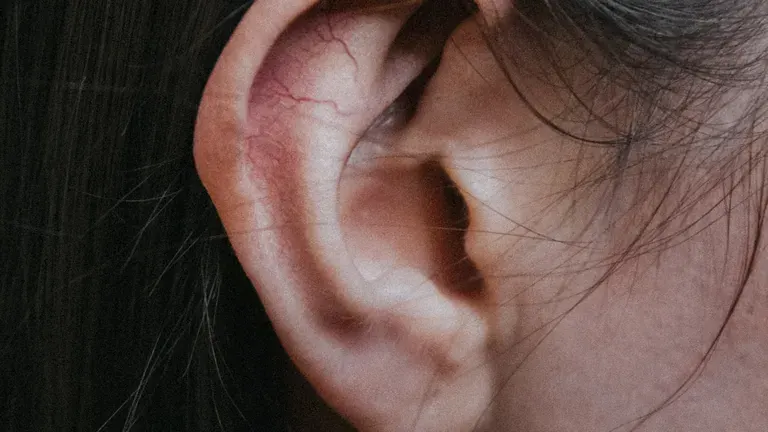
Ear Wax Removal at Home in Australia: Safe Methods, Drops & When to See a Professional
A safe, evidence-based guide to ear wax removal in Australia — which OTC drops may help, the home methods that work, what to skip, and when to see a GP or audiologist.

Eye, ear & nose7 min read
Swimmer's Ear Treatment in Australia: What Works
Relieve swimmer's ear at home with drying drops, dry ears and simple pain relief for mild cases — plus the red flags that need a GP and prescription drops.

Eye, ear & nose7 min read
Ear Infection Treatment in Australia: What Works
Ease ear infection pain the right way: learn to tell a middle-ear from an outer-ear infection, when it settles on its own, and when to see a GP.
Medical disclaimer
This information is general in nature and isn’t a substitute for professional medical advice. Always read the label and follow the directions for use. Talk to your pharmacist or doctor about what’s right for you.