Condition guide
Cough
Persistent cough keeping you up at night or disrupting your day? Find the right cough medicine - suppressant for dry cough or expectorant for chesty cough in under 2 minutes.
Find the right medicineTreatment and relief options
- Dry cough: Cough suppressants (dextromethorphan) to reduce cough reflex
- Chesty/productive cough: Expectorants (guaifenesin) to thin mucus; avoid suppressants
- Honey and warm fluids for natural soothing relief
- Stay hydrated to help thin mucus
- Avoid irritants like smoke and strong perfumes
When to get help
- Coughing up blood or pink/frothy mucus
- Severe shortness of breath or wheezing (can't speak without gasping): call Triple Zero (000)
- Cough lasting more than 3 weeks
- High fever with productive cough (pneumonia risk)
- Chest pain that is severe, getting worse or lasts more than 10 minutes: call Triple Zero (000)
Good to know
Dry, chesty or lingering?
A dry cough feels tickly and brings nothing up. A chesty cough brings up phlegm, which should be white or clear; if it turns yellow, green or bloody, speak to your doctor as soon as possible. If phlegm and chest tightness dominate, see chest congestion. Most short-term coughs follow a cold or flu and settle within 2 to 4 weeks. A cough lasting more than 8 weeks is chronic. Lingering coughs can come from mucus dripping down the throat (see runny nose), acid reflux, asthma or medicines such as ACE inhibitors (ask your doctor before stopping any medicine).
Cough medicines, children and honey
Cough medicines may ease symptoms, but there's not much evidence they help a cough clear up sooner, and they may have side effects. Suppressants can cause drowsiness, so don't drive or drink alcohol with them. Under TGA rules, children's oral cough, cold and flu medicines must be labelled not for use under 6, and children aged 6 to 11 should have them only on the advice of a doctor, pharmacist or nurse practitioner. Honey may soothe the throat, but never give it to babies under 12 months (risk of botulism). See your doctor if a cough lasts more than 3 or 4 weeks or disturbs your sleep.
Sources: healthdirect — Cough; TGA — First-generation antihistamines: winter warning; healthdirect — Medicines for colds, flu (influenza) and COVID-19; healthdirect — Medicines for colds, flu and COVID-19 for children
Frequently asked questions
Dry, tickly coughs can be suppressed. Productive coughs (with mucus) should not be suppressed as they clear airways.
Related conditions
Best of & comparisons

Cough, cold & flu13 min read
Cold vs Flu in Australia: Symptoms & Treatment (2026)
Flu hits hard and fast; a cold creeps in slowly. Learn the key symptom differences, how long each lasts, and the best OTC options in Australian pharmacies.

Cough, cold & flu15 min read
Best Sore Throat Lozenges in Australia (2026 Guide)
Difflam, Strepsils Intensive, Cepacol and more — we compare medicated and soothing throat lozenges by ingredient type to help you find the right one.

Cough, cold & flu13 min read
Best Vitamin C for Colds Australia: What the Evidence Says (2026)
Vitamin C won't prevent colds, but daily supplements may slightly shorten how long they last. We explain the evidence and compare the best vitamin C options in Australia.

Cough, cold & flu7 min read
Dry vs Chesty Cough: Which Cough Medicine Should You Take? (Australia)
Understand dry and chesty cough labels, the limits of cough medicines, safer self-care and when to seek medical help.

Cough, cold & flu8 min read
Sore Throat Remedies That Actually Work
Compare sore throat remedies Australians can use today — gargles, honey, lozenges, sprays and painkillers — plus the red flags that need a GP.
Cough, cold & flu8 min read
COVID vs Flu vs Cold: How to Tell the Difference and What You Can Take
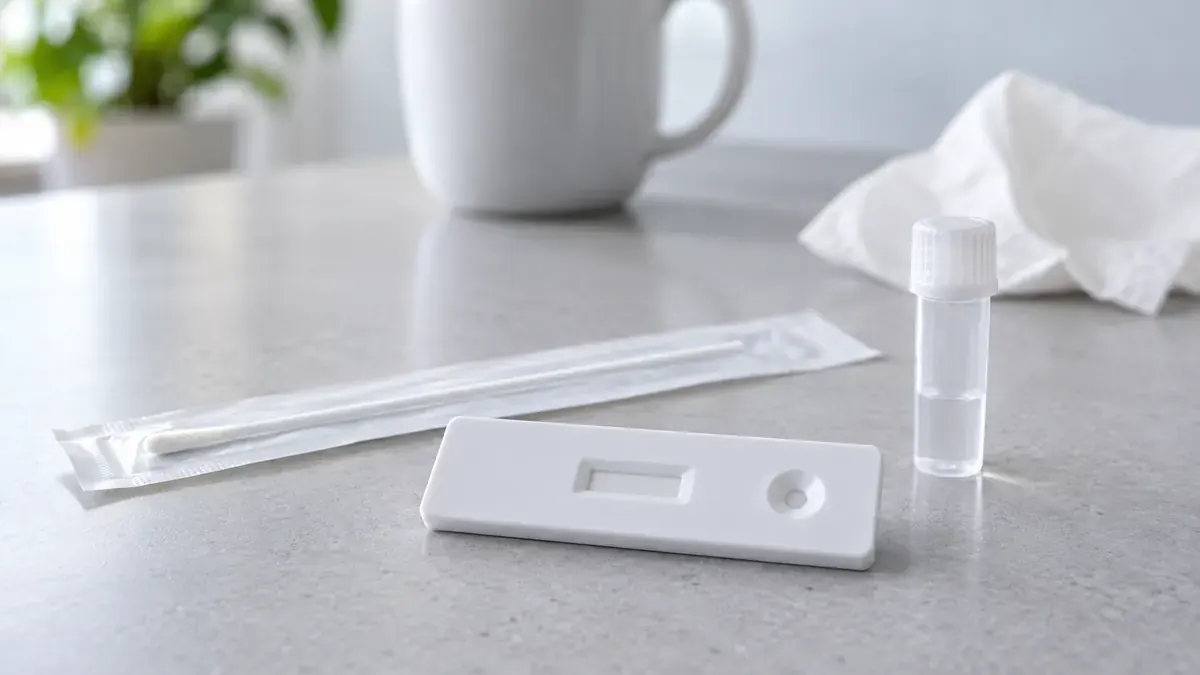
Tell COVID, the flu and a cold apart fast: what the symptoms share, when to RAT test, and which OTC medicines ease which symptoms in Australia.
Advice & guides

Cough, cold & flu4 min read
Cold Medicine in Australia: Choose by Symptom
Compare cold symptom relief, check combination ingredients and learn when to ask a pharmacist or seek medical care.

Cough, cold & flu11 min read
Antibiotics for a Cold or Sore Throat: Do You Need Them?
Nine in ten colds, flus, and sore throats are viral — antibiotics won't help. Learn the signs of bacterial infection and what OTC options relieve your symptoms.

Allergy & hayfever9 min read
Thunderstorm Asthma: Symptoms, Risk and What to Do
Thunderstorm asthma can strike hay fever sufferers who've never had asthma. Learn the warning signs, pollen-season prep and 4x4x4 first aid.
Medical disclaimer
This information is general in nature and isn’t a substitute for professional medical advice. Always read the label and follow the directions for use. Talk to your pharmacist or doctor about what’s right for you.